



As populations around the world age, the question of how best to support older individuals becomes increasingly urgent. Many elderly people will, at some point, find that living fully independently is difficult due to declining health, mobility limitations, or diminishing social support. Retirement homes also known as old age homes, senior living communities, assisted living facilities, or elder-care institutions are among the responses society has developed for this need.
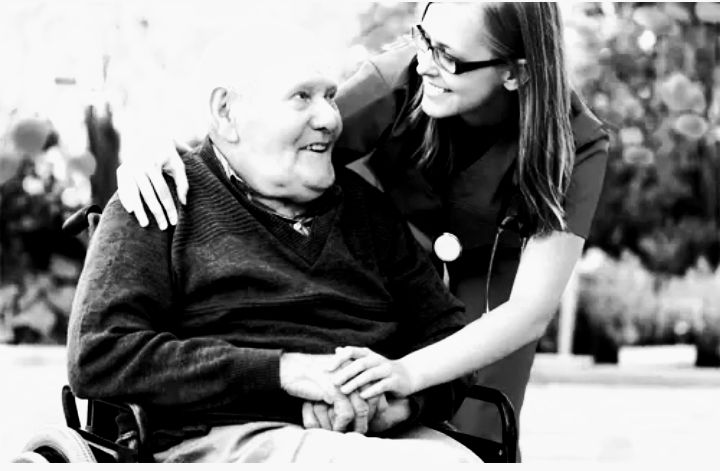
These institutions aim to provide care, safety, companionship, and dignity in one’s later years.This article explores what retirement and old age homes are, their roles and importance, their benefits and drawbacks, the challenges in organizing and running them, and the factors people should consider when choosing such a home.What Are Retirement / Old Age Homes?Retirement or old age homes are residential facilities or communities designed to support older adults who need assistance with daily living, healthcare, social engagement, or simply wish to live in a safer environment with others in similar stages of life.
There are different types: Independent living communities: for older adults who are largely self-sufficient but prefer a living environment with lower maintenance and community amenities. Assisted living: for those who need help with daily tasksbathing, dressing, medication, etc. but do not require full nursing care.Nursing homes / skilled nursing facilities:
illnesses, severe mobility issues, or cognitive decline.Specialized units: for example dementia or Alzheimer’s care, palliative care, etc.Retirement homes vary greatly in size, amenities, cost, staffing levels, and the level of care offered.
The Importance of Retirement Homes As societies change, families become more geographically mobile, younger generations work farther away, households become smaller, and traditional caregiving structures shift. In that context, retirement homes serve several important roles:
1. Safety and basic care: As people age, tasks like bathing, cooking, mobility, and medication management may become difficult or dangerous to do alone. Retirement homes provide trained staff, medical oversight (depending on the facility), physical modifications (ramps, handrails), and emergency response systems.
2. Social interaction & reducing isolation: Loneliness is a major risk for the elderly, contributing to mental health issues like depression and anxiety. Living among peers, having communal meals, organized activities, recreation, and shared spaces helps maintain social contact.
3. Relief for families and caregivers: Caring for an older person can be time-consuming, physically and emotionally demanding. Retirement homes can share or take over many of the tasks of everyday care. Knowing loved ones are in a managed, professional environment can reduce stress.
4. Health / medical support: Many homes have medical staff or arrangements with clinics, medication oversight, physical therapy, sometimes specialized care for chronic conditions or dementia. 5. Preserving dignity & quality of life: With appropriate care, emotional support, and respect, retirement homes can help older people maintain a sense of autonomy, dignity, purpose, and comfort.
Advantages and Disadvantages.
While old age homes offer many benefits, they also come with trade-offs and challenges. Understanding both sides is crucial for families and individuals when deciding.AdvantagesStructured and dependable care: There’s consistency in medication, meals, supervision, hygiene, safety.Safety features: Facilities are built or adapted for seniors non-slip surfaces, handrails, ramps, easily accessible bathrooms, emergency systems.Community and companionship: Reduced feeling of isolation, opportunities for shared activities, friendships, social engagement.Convenience: No worries about cooking, cleaning, home maintenance, many errands.Access to specialized services: Sometimes on site or via partnership with healthcare providers.Peace of mind for families: Knowing their older relatives are in a place with trained staff and emergency provisions.

Disadvantages / Risks Cost: Can be expensive. High-quality homes with good facilities, well-trained staff, and healthcare support tend to charge high fees. For many, cost is prohibitive.
Loss of independence: Even in the best homes, there will be restrictions on where/when one can go, what one must follow. Some daily routines or personal preferences might need to adapt.Emotional / psychological impact: Leaving one’s own home, familiar surroundings, personal possessions can be difficult and stressful. Feelings of abandonment or guilt may affect both the elderly and their families.Variation in quality: Not all homes are equal. Some may have understaffing, poor hygiene, lack of trained personnel, inadequate medical resources. Oversight and regulation differ widely.Limited personal space: Rooms might be small, shared areas, less privacy.
Challenges in Operating & Regulating Retirement Homes Running a retirement home is complex. Several challenges need to be addressed to ensure quality, sustainability, and fairness.
1. Staffing and training: Qualified staff—nurses, caregivers, physiotherapists are essential. In many places there are shortages, or the staff are not well-trained in geriatric care, or turnover is high. This can affect quality.
2. Costs and financial models: Operating costs are high: staffing, healthcare, maintenance, utilities, specialized equipment, safety features. Pricing needs to balance sustainability with affordability. For-profit vs non-profit models differ.
3. Policy & regulation: There must be adequate regulatory frameworks to ensure minimum standards (safety, care, staffing ratios), regular inspections, accountability. Without regulation, abuses or neglect can occur.
4. Healthcare integration: Many elderly have chronic illnesses, cognitive decline, or require medical support. Homes must integrate or coordinate with health services; unexpected medical emergencies must be handled.
5. Cultural attitudes: In many cultures, placing elders in homes is stigmatized or seen as a failure of family duty. That can affect how homes are perceived, how willing families are to use them, the resources devoted to them.
6. Accessibility and equity: Ensuring that people from varied income levels, rural vs urban areas, different social groups have access to good retirement homes. Also, accommodating diversity in culture, religion, language, etc.
7. Design and environment: The physical environment—architecture, spaces for socialization, gardens, lighting, accessibility affects mental and physical well-being; designing for dignity, aesthetics, safety is crucial.Considerations When Choosing a Retirement Home For someone considering a retirement home, or for a family helping an elderly relative, here are key factors to check:Level of care needed: Consider current and likely future needs (mobility, chronic disease, memory loss). Choose a facility that can adapt to increasing needs.Staff qualifications and staff‑to‑resident ratio:
What training do caregivers have? Are there nurses on staff? What is the ratio of staff per resident, especially during nights?Safety features: Are there handrails, ramps, emergency call systems, non-slip floors, fire safety features etc?Medical care / proximity to hospitals: Does the home have medical services, frequent medical checkups, arrangements for emergencies? How far is the nearest hospital?Cost structure: What fees are charged? Entrance fees, monthly fees, fees for extra services or medical care. Are there hidden charges? What is included vs optional? Is there financial assistance/subsidy?Location: Is it close to the resident’s family, community, places of worship? Is it accessible? Is the climate/environment suitable?Amenities and social life: What recreational, cultural, social, spiritual, gardening, etc. activities are available? Are there communal dining rooms, green spaces, libraries etc?Quality of environment: Cleanliness, maintenance, privacy, noise levels, structural condition.Regulation, oversight, accreditation: Does the facility have certification / oversight by government or independent bodies? What are reviews / feedback from current residents / families?
Global Trends & Statistical Insights(These will vary depending on region, so these are more general observations.)Increasing life expectancy and lower birth rates in many countries mean the proportion of older people is growing. This raises demand for old age homes and related care.Aging‑in‑place models (trying to enable older adults to stay in their own home as long as possible) are growing in popularity. They combine home care, assistive technologies, community support to delay or avoid institutionalization. In many low‑ and middle‑income countries, old age homes are fewer; often support is still expected from families, but urbanization, migration, and changing family structures are putting strain on that model.Technological innovations (assistive devices, smart homes, telemedicine) are increasingly part of the elder-care ecosystem. These can improve safety, help independence, reduce costs.

Ethical, Social & Cultural Perspectives Respect, dignity and autonomy: It’s not just about physical care; emotional, psychological, spiritual well-being matters. Homes that respect residents’ histories, preferences, and provide autonomy (as far as possible) have better outcomes.Intergenerational relationships: Maintaining connections with family and community is crucial. Homes that facilitate visits, family involvement, community engagement tend to enhance residents’ life satisfaction.Cultural competency: In multicultural societies, accommodations for language, food preferences, cultural/spiritual practices are important to residents.End‑of‑life care and death with dignity: Retirement homes often become the final homes for residents. Quality palliative care, counseling, emotional support for both residents and families matters.
Case Study / Focus: Kenya (or Similar Contexts)While much of the data comes from high‑income countries, many of the same issues apply in Kenya and other East African or Sub‑Saharan African countries, with additional factors to consider:There are fewer regulated retirement homes; many are run by NGOs, religious organizations, or in private sector with variable quality.Family structures have traditionally absorbed elder care, but migration (to cities, abroad), busy urban life, changing cultural values are weakening those structures.Financial constraints: many elders have little savings or pension, making high‑end old age homes inaccessible.
Need for lower‑cost, community‑based elder care models.Infrastructure challenges: health care accessibility, trained geriatric personnel, regulatory oversight, transportation.For example, a study on “Institutionalization as a form of old age care in Kenya” (from the University of Nairobi) examined causes which lead to people entering old age homes, life patterns in different homes, and the effects of institutional life on the aged.
Alternatives and Complementary Models Retirement homes aren’t the only option. Depending on circumstances, other models might be preferable or complementary:Aging in place: staying in one’s own home with modifications (ramps, handrails, assistive devices), and support services (home caregivers, meal delivery, health monitoring).Community‑based care / day care centers: where elders spend daytime in a facility for social, medical, or recreational services but return home at night.Family caregiver support: training, respite care, financial assistance to families who care for older relatives at home.Intergenerational housing / co‑living: sharing housing with younger people, or multi‑generational homes, to mix social support.Virtual villages / networks: informal or formal community networks offering help with transport, household tasks, companionship, etc.
Future Directions. Looking ahead, several trends and innovations are likely to shape how old age homes and retirement care evolve:More use of technology: monitoring devices, telehealth, smart homes, wearable sensors to detect falls or health changes.Improved design of facilities: focusing on dignity, aesthetics, natural light, access to nature, flexible living spaces that feel more like homes than institutions.Greater focus on person‑centered care: tailoring care to individuals’ preferences, histories, autonomy, encouraging agency even when care needs are high. Policy development: stronger regulations, subsidies, incentives for quality, possibly public provision or partnerships to make elder care more affordable.Integration with the healthcare system and community services to avoid isolation and improve access.
Retirement and old age homes play an essential role in modern societies: they offer safety, care, companionship, and relief for both elders and their families. But they are not a panacea. Like any institution, quality varies; the emotional, financial, and cultural costs must be balanced. Ideally, society should aim to give older people a range of good choices: living independently for as long as possible; community and family support; and, when necessary, well‑run, dignified elder care institutions.When thinking of or choosing an old age home, being informed, asking the right questions, visiting multiple places, considering costs, care level, environment, and respect for residents can help ensure that the elder years are lived with dignity, comfort and joy
About The Author