



In a bid for sustainability, some individuals are cultivating their own toilet paper from the Plectranthus barbatus plant, which has been traditionally used in parts of Africa. This initiative comes as the global toilet paper industry continues to contribute to significant deforestation, with an estimated one million trees cut down annually for production.
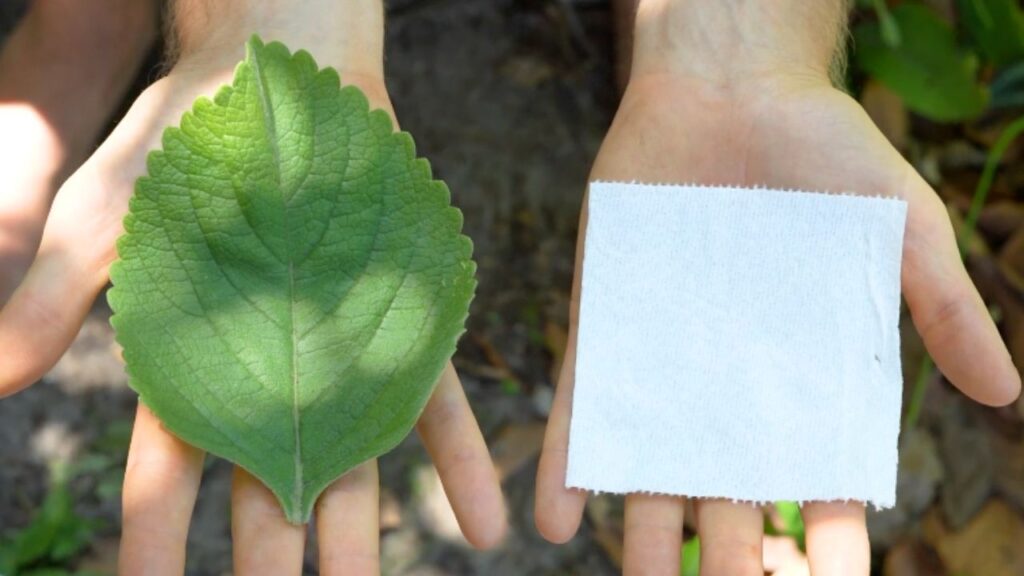
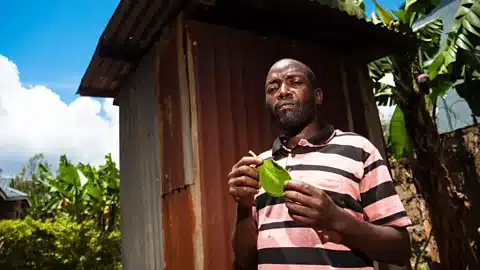
In Meru, Kenya, resident Benjamin Mutembei has been growing the Plectranthus barbatus since 1985. He describes its leaves, which resemble the size of standard toilet paper squares, as soft and pleasantly scented. Mutembei emphasizes that his household relies on this plant, only purchasing commercial toilet paper when necessary.
The rising cost of traditional toilet paper, largely due to expensive imported raw materials, has driven many to seek alternatives. The Kenya Association of Manufacturers reports that raw material expenses account for 75-80% of the final cost of tissue products in the country.
Experts like Martin Odhiambo, a herbalist at the National Museum of Kenya, advocate for Plectranthus barbatus as an eco-friendly substitute. He notes that the plant is often overlooked by younger generations but has potential for broader use. With a growth period of just 1-2 months from cuttings, this plant is easily accessible and sustainable.
Environmental activist Robin Greenfield in Florida has also embraced this plant, leading a “grow your own toilet paper” initiative. By sharing cuttings, he encourages others to adopt this natural alternative, despite societal stigmas.
While large-scale production of Plectranthus barbatus remains largely unexplored, some companies are innovating within the conventional toilet paper industry by utilizing recycled materials. However, challenges such as wastewater disposal systems that aren’t designed for plant-based products may hinder widespread adoption.
Despite these obstacles, advocates remain optimistic about the potential of Plectranthus barbatus to provide an environmentally friendly alternative to traditional toilet paper, emphasizing the importance of public acceptance and education.
About The Author