


The kitchen is more than a place to prepare meals—it’s a space for creativity, connection, and learning. For young people, stepping into the kitchen can be a powerful experience that goes beyond cooking. It’s an opportunity to explore culture, gain independence, and develop valuable life skills. As more schools, communities, and families recognize the impact of food education, youth are discovering that the kitchen can be a place where they not only nourish their bodies but also grow as individuals.

One of the most powerful aspects of food is its ability to unite people. Cooking and sharing meals help build community, bring families together, and celebrate cultural traditions. When young people learn to cook traditional dishes, they connect with their heritage and gain a deeper appreciation for diversity. Cooking together also encourages teamwork, patience, and communication—skills that strengthen relationships both inside and outside the kitchen.
In addition to fostering connection, cooking empowers youth with confidence and independence. Learning how to plan meals, follow recipes, and prepare nutritious food teaches responsibility and self-reliance. These skills are essential for adulthood, yet often overlooked in formal education. Programs that teach youth how to grow their own food, understand nutrition, and cook from scratch give them the tools to make healthier choices and take charge of their well-being.
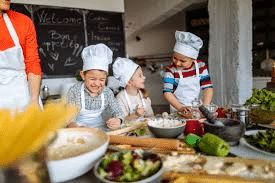
Food can also be a gateway to education in areas like science, math, and sustainability. Measuring ingredients, understanding cooking temperatures, and learning where food comes from can turn the kitchen into a classroom. Topics such as food waste, climate-friendly eating, and local farming also help young people see the bigger picture of how food impacts the planet. Through cooking, youth become more conscious consumers and future advocates for a sustainable food system.
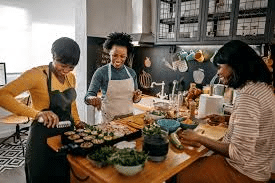
In conclusion, getting youth involved in the kitchen is about much more than making meals—it’s about teaching life skills, encouraging cultural appreciation, and inspiring personal growth. Cooking offers young people a hands-on way to explore their identities, connect with others, and make meaningful contributions to their families and communities. By bringing youth into the kitchen, we’re not just feeding them for today—we’re equipping them with tools that will nourish their futures.
About The Author