



The rise of the post-truth era—where emotional appeals often overshadow verifiable facts—has fundamentally reshaped the role of journalism. Misinformation spreads with unprecedented speed through digital platforms, blurring the line between credible reporting and manipulative content. As trust in traditional news sources declines, societies face increasing difficulty distinguishing truth from distortion. In this climate, journalism’s mission extends beyond informing the public; it must actively defend the very foundations of factual discourse.

To reclaim truth, journalists are adopting new strategies that prioritize verification, transparency, and public engagement. Investigative reporting teams are collaborating across borders to uncover corruption, expose human rights abuses, and hold powerful actors accountable. Initiatives such as collaborative fact-checking, data journalism, and open-source investigations demonstrate how technology can be harnessed to strengthen credibility rather than erode it. By making their methods visible and verifiable, journalists can rebuild public trust and counter the narrative that all information is equally unreliable.
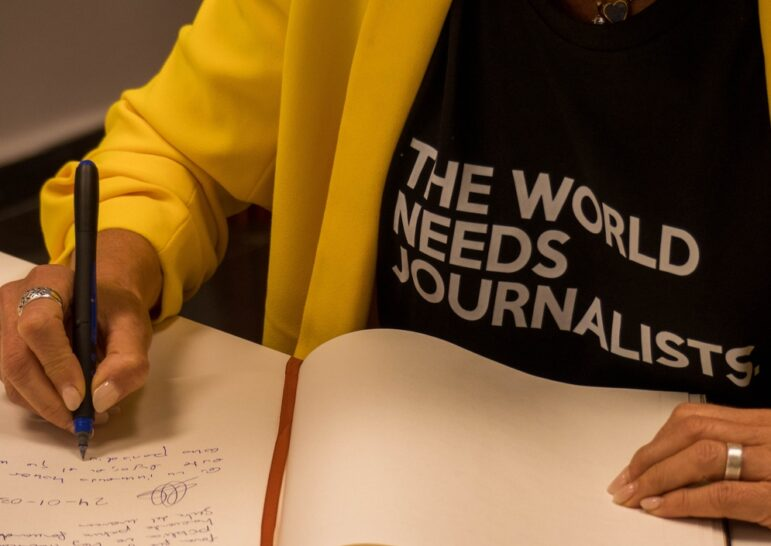
Yet reclaiming truth also requires confronting structural challenges. Authoritarian governments, political groups, and private interests increasingly weaponize disinformation to control narratives and silence dissent. Journalists face threats, censorship, and violence for challenging these actors, highlighting the need for stronger global protections for press freedom. Meanwhile, the economic pressures on news organizations—declining revenues, shrinking newsrooms, and the dominance of algorithm-driven platforms—limit their ability to provide rigorous, independent reporting. Ensuring global accountability demands not only courageous journalism, but systemic support for a free and sustainable press.
Ultimately, rebuilding a truthful public sphere is a collective responsibility. Journalists must uphold high ethical standards, technology companies must crack down on disinformation without stifling legitimate discourse, and citizens must cultivate media literacy to navigate an information-rich but truth-poor environment. In a world where falsehoods travel faster than facts, the commitment to truthful reporting becomes an act of democratic preservation. Journalism’s role is not merely to report the world as it is, but to safeguard the conditions that allow societies to understand reality—and hold power to account.
About The Author