



Introduction.
The High Cost of Living in Kenya: A Deepening Crisis Across Kenya, households are feeling the harsh impact of a persistently high cost of living. Even though headline inflation has at times fallen within the Central Bank’s target range — for example, averaging around 3.8 % mid-2025 — the reality on the ground tells a different story for millions of families who spend a large share of their earnings on essentials. Food prices remain the biggest burden. Staple items like maize flour, kale (sukuma wiki), potatoes, and tomatoes have seen steep year-on-year increases, with some rising by double digits. A kilo of maize flour in early 2026 was significantly higher than a year earlier, and the price of kale soared by over 23 % in one recent annual comparison — making it harder for low-income households to fill their plates. Inflation pressures also show up in transport and housing costs.
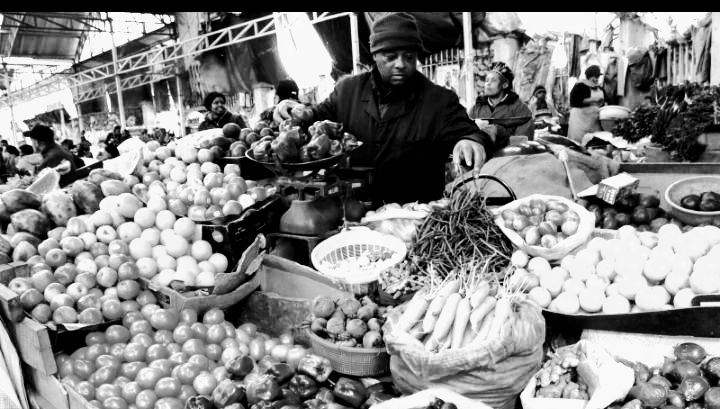
Even if official inflation figures seem moderate, the cost of bus and matatu fares has jumped, putting further strain on already tight household budgets. Housing costs — including rents and construction materials — continue to rise as well, squeezing disposable incomes. At the same time, real wages have been declining. After adjusting for inflation, wage increases have lagged behind rising prices for several years, meaning that most workers’ purchasing power continues to erode. Official statistics show real wages falling for multiple consecutive years, leaving many employed Kenyans effectively poorer despite nominal pay increases. Compounding these pressures are statutory deductions that reduce take-home pay. Recent changes to mandatory contributions — to health insurance, housing levies, and pension schemes — have reduced disposable incomes for many workers, making it harder to cover the basics. —Why Prices Are So High: Structural and Policy Drivers .

The reasons behind Kenya’s cost of living crisis are multifaceted. A key factor is the high share of income that Kenyan families must spend on essentials. Food, housing, transport, and energy collectively make up the majority of household expenditures, so even modest price increases in these sectors translate into severe stress on family budgets. Supply-side pressures — such as rising production costs for farmers, unpredictable weather affecting crop yields, and higher global commodity prices — have contributed to upward price adjustments. These factors, coupled with tax policies and fees embedded in the economy, ripple through markets and ultimately reach consumers. Critics of recent budgetary and tax measures argue that certain policy choices — including reduced VAT relief for businesses and cuts in social spending — may unintentionally push prices higher and limit support for the most vulnerable. Economic inequality further deepens the crisis. Research shows that poorer households bear the brunt of price hikes more than wealthier ones, with inflation effects felt disproportionately by those least able to absorb them.
Even when inflation appears tame in official reports, it can mask the heavy inflationary pressures in food and transport — categories that matter most to low- and middle-income families. The result is a pervasive sense that “life still feels expensive,” even if national statistics suggest stability. —How Ordinary Families Are Surviving the Squeeze Faced with these economic realities, Kenyan families are adopting varied survival strategies — from adjusting consumption patterns to pursuing new income streams.Cutting Back and Budgeting Differently Many households have had to rethink how they spend every shilling. Families are reducing the number of meals, substituting expensive food items with cheaper alternatives, buying in bulk only when absolutely necessary, or foregoing protein sources like meat to focus on cheaper carbohydrates. Some parents report cutting back on essentials like school supplies or healthcare in order to keep food on the table.
These adjustments, while necessary, have long-term implications for nutrition and wellbeing. Multiple Income Streams and Side Hustles For many Kenyans, a single job no longer suffices. A substantial number of workers are taking n side hustles — informal gigs, freelancing, or entrepreneurial activities — just to supplement their main income. This trend spans urban and peri-urban settings, where people deliver food, sell goods online, provide transport services, or engage in casual labour to make ends meet. Borrowing and Informal Support Networks With high prices outpacing earnings, many households resort to loans — from mobile lending platforms, microfinance institutions, and family networks — to cover urgent needs. While borrowing can provide short-term relief, it often traps families in cycles of debt because of high interest or fees. Extended family networks also play a role. In both urban centres and rural communities, kinship ties help cushion economic blows.
Shared childcare, pooled resources for bulk purchases, and reciprocal labour arrangements are common strategies families use to stretch limited resources.Community Adaptations Some communities respond creatively: informal saving schemes (chamas), group farming to reduce individual costs, and cooperative buying to negotiate better prices for staples. These grassroots mechanisms demonstrate resilience, but they also highlight the limits of formal safety nets in a context where many people live without access to sufficient social protection.

The Human Toll and What It Means for the Future The high cost of living crisis in Kenya is not just an economic statistic — it’s a daily struggle with long-term implications. Children may miss school or essential meals due to budget constraints. Adults might accept jobs below their qualifications simply to secure income. Stress and anxiety tied to financial insecurity are rising as pressures mount. Addressing this crisis requires more than temporary fixes.
Conclusion.
Policies that strengthen social protection, expand formal employment opportunities, support smallholder farmers, and ensure that wage growth keeps pace with living costs could ease the burden on households. Structural reforms aimed at reducing inequality and improving market efficiencies are also critical for a sustainable future.For now, ordinary Kenyan families continue to navigate these challenges with resilience — juggling low incomes, rising prices, and creative survival strategies day by day.
About The Author