



Indigenous cultures carry memory, identity, and knowledge that cannot be rebuilt once lost. They hold languages, rituals, values, stories, music, food systems, healing practices, and ways of understanding the land. When these cultures disappear, a community loses more than tradition. It loses a part of itself. Preservation of indigenous cultures is not about freezing people in time. It is about keeping living traditions strong enough to survive modern pressure without being erased.
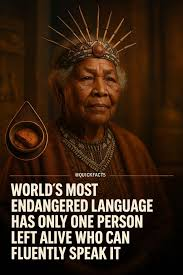
One of the biggest threats to indigenous cultures is language loss. A language is not just a set of words. It carries history, humor, beliefs, and a unique way of seeing the world. Many indigenous languages are disappearing because children are growing up speaking dominant national or global languages instead. Parents may choose the more widely used language so their children can do well in school or find jobs. That choice is understandable, but it can have a lasting cost. Once a language stops being spoken daily, songs, proverbs, oral histories, and cultural knowledge can fade with it.
Education plays a major role in this issue. In many places, schools have long ignored indigenous languages and traditions. Children are taught to value outside knowledge more than what comes from their own communities. Over time, this can create shame around local culture. Young people may begin to see their own customs as old-fashioned or unimportant. That is why education systems need to make room for indigenous history, language, and knowledge. When children learn that their culture matters, they are more likely to protect it.
Land is also central to cultural survival. For many indigenous communities, land is not just property. It is sacred space, memory, livelihood, and identity. Forests, rivers, mountains, and grazing grounds often hold spiritual and practical meaning. When communities are forced off their land or denied access to it, cultural practices can weaken fast. Ceremonies, farming methods, hunting traditions, and oral teachings all depend on place. Protecting indigenous land rights is therefore one of the strongest ways to protect culture itself.
Modernization brings another challenge. As cities grow and technology spreads, people move away from rural communities in search of work and education. This can separate younger generations from elders who hold traditional knowledge. A child raised far from home may never learn the dances, songs, or customs that shaped their family for generations. Urban life is not the enemy, but it can make cultural continuity harder. Communities need creative ways to connect young people with their roots even when they live in cities.
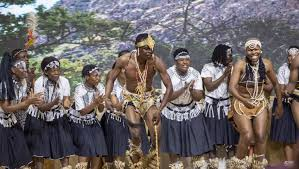
Technology, if used well, can actually help preservation. Social media, podcasts, digital archives, online lessons, and community websites can record and share indigenous language, music, art, and oral history. Elders can be filmed telling stories. Young people can learn traditional songs through videos. Researchers can work with communities to create language apps and digital dictionaries. These tools do not replace face-to-face learning, but they can widen access and keep knowledge from being lost. A story saved on a phone may still reach a child years later.
Cultural preservation also depends on community participation. It cannot be imposed from outside. The people who belong to the culture must lead the effort. Outsiders can support, but they should not control the process. Each community knows which parts of its heritage are most at risk and which methods will work best. Some may focus on language classes. Others may revive festivals, traditional dress, crafts, or healing knowledge. What matters is that preservation happens in a way that respects the community’s choices.
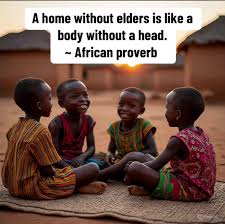
Elders are especially important in this work. They are often the keepers of memory. They remember old names, songs, customs, and practices that may not be written anywhere. Their role should be honored, not taken for granted. Communities can organize intergenerational events where elders teach children through storytelling, food preparation, farming, or ceremony. These moments create more than knowledge. They build belonging. A child who learns from an elder is not just learning facts. They are learning who they are.
Cultural preservation also has economic value. Indigenous crafts, clothing, music, architecture, and tourism can support livelihoods when managed carefully and respectfully. But this must never reduce culture to a product for sale. The goal is not to package tradition for outsiders and strip it of meaning. The goal is to create conditions where communities can benefit from their heritage while keeping control over how it is shared. Respect matters more than profit.
Governments and institutions have a role too. They can support cultural centers, museums, language programs, archives, and community projects. They can protect sacred sites, recognize indigenous rights, and include indigenous voices in public decision making. Media houses can give more space to indigenous languages and stories. Universities can partner with communities instead of studying them from a distance. Real preservation needs policy, funding, and respect.
At the heart of all this is one simple truth: culture survives when people use it. A language stays alive when children speak it at home. A song stays alive when it is sung at celebrations. A custom stays alive when it still guides daily life. Preservation is not only about memory. It is about practice. Communities do not need to choose between tradition and modern life. They can carry both, as long as their roots are not cut away.
Preserving indigenous cultures is an act of care, justice, and responsibility. It protects identity, strengthens communities, and keeps human diversity alive. Once a culture disappears, the loss is permanent. But when communities, schools, families, and leaders work together, traditions can remain strong, relevant, and alive for the next generation.
About The Author