



Self-doubt is a common challenge, especially for young people navigating school, relationships, and future goals. It’s easy to compare yourself to others or question your worth when things don’t go as planned. But confidence isn’t something you either have or don’t—it’s something you build. Learning how to quiet that inner critic and believe in yourself can transform not only how you see the world but also how you move through it.

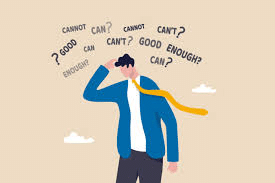
One of the first steps in building confidence is recognizing that self-doubt doesn’t make you weak—it makes you human. Everyone, even the most successful people, experiences moments of uncertainty. What matters is how you respond. Start by becoming more aware of your negative self-talk. When you catch yourself thinking “I can’t do this” or “I’m not good enough,” challenge those thoughts. Ask yourself: “Is this really true, or am I just afraid?” Reframing your thoughts can be a powerful tool in shifting from doubt to belief.
Another key to growing confidence is setting small, achievable goals. When you accomplish even the tiniest of tasks—like speaking up in class, submitting a job application, or starting a new hobby—you prove to yourself that you’re capable. These wins build momentum. Over time, they turn into a track record of success that you can look back on whenever doubt creeps in. Confidence grows not from perfection, but from progress.

Surrounding yourself with supportive people is also essential. Find friends, mentors, or teachers who see your potential and encourage your growth. Limit your time with people who bring you down or constantly criticize you. When you have a network that believes in you, it’s easier to start believing in yourself. And remember, you don’t need everyone’s approval—just a few voices that lift you up can make a world of difference.
Another powerful tool is self-compassion. Treat yourself with the same kindness you’d offer a friend. When you make a mistake, don’t beat yourself up—learn from it. Failure is not the opposite of success, it’s part of it. The more you accept and learn from your imperfections, the stronger and more resilient you become. Confidence comes not from never falling, but from knowing you can get back up every time you do.
In the end, confidence is a journey, not a destination. It’s about choosing every day to show up, try again, and trust yourself a little more. For youth especially, the path can be full of ups and downs, but with patience, self-awareness, and support, confidence can become your foundation. Remember: you don’t need to be fearless to be brave. All it takes is a small step forward—even when you’re doubting yourself.
About The Author