



Forests are often called the lungs of the Earth, absorbing carbon dioxide and releasing oxygen essential for life. Yet every year, millions of hectares of forest are destroyed for agriculture, logging, and urban expansion. Deforestation is not just a local environmental issue—it is a global crisis with far-reaching and often irreversible consequences. As trees fall, ecosystems collapse, biodiversity vanishes, and the balance of the planet shifts in dangerous ways.
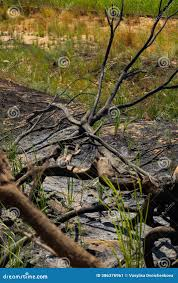
One of the most critical impacts of deforestation is its contribution to climate change. Forests act as carbon sinks, storing massive amounts of carbon that, when released, accelerate global warming. When trees are cut down and burned or left to rot, that stored carbon enters the atmosphere as CO₂, intensifying the greenhouse effect. The loss of forests like the Amazon, often called the “Earth’s thermostat,” drastically reduces the planet’s ability to regulate climate.
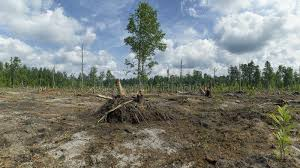
Beyond climate, deforestation is a leading cause of species extinction. Forests are home to more than 80% of terrestrial animals and plants. When their habitats are destroyed, species are left with nowhere to go, resulting in population declines and, in many cases, extinction. This biodiversity loss weakens ecosystems, making them less resilient to disease, climate shifts, and other environmental stresses. Humanity, in turn, suffers from reduced agricultural stability, fewer medicinal resources, and disrupted natural cycles.
The effects of deforestation also extend to human populations, especially Indigenous communities who depend on forests for food, shelter, and cultural identity. As their lands are cleared or exploited, these communities face displacement, loss of traditional knowledge, and threats to their way of life. In many regions, deforestation is directly linked to land conflicts, human rights violations, and economic inequality, underscoring the urgent need for more just and sustainable land-use policies.
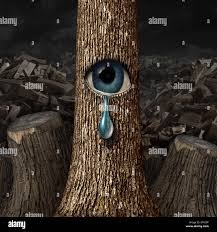
Nature is sounding the alarm, and the evidence is undeniable. Deforestation threatens not only trees and wildlife but the stability of life on Earth itself. Reversing this trend requires global cooperation, strong environmental protections, and a shift toward sustainable agriculture and consumption. If we continue down this path, the damage may soon become irreversible. But if we listen—and act—there is still time to protect the world’s forests and the future they sustain.
About The Author