



The COVID-19 pandemic tested the resilience of businesses worldwide, and London’s Black-owned small enterprises were no exception. From high streets to hidden corners of the city, entrepreneurs faced unprecedented challenges: disrupted supply chains, plummeting foot traffic, and the uncertainty of lockdowns. Yet, in the wake of these hardships, a wave of innovation, determination, and creativity has propelled many Black-owned businesses toward remarkable recovery and growth, redefining what it means to thrive in a post-pandemic economy.
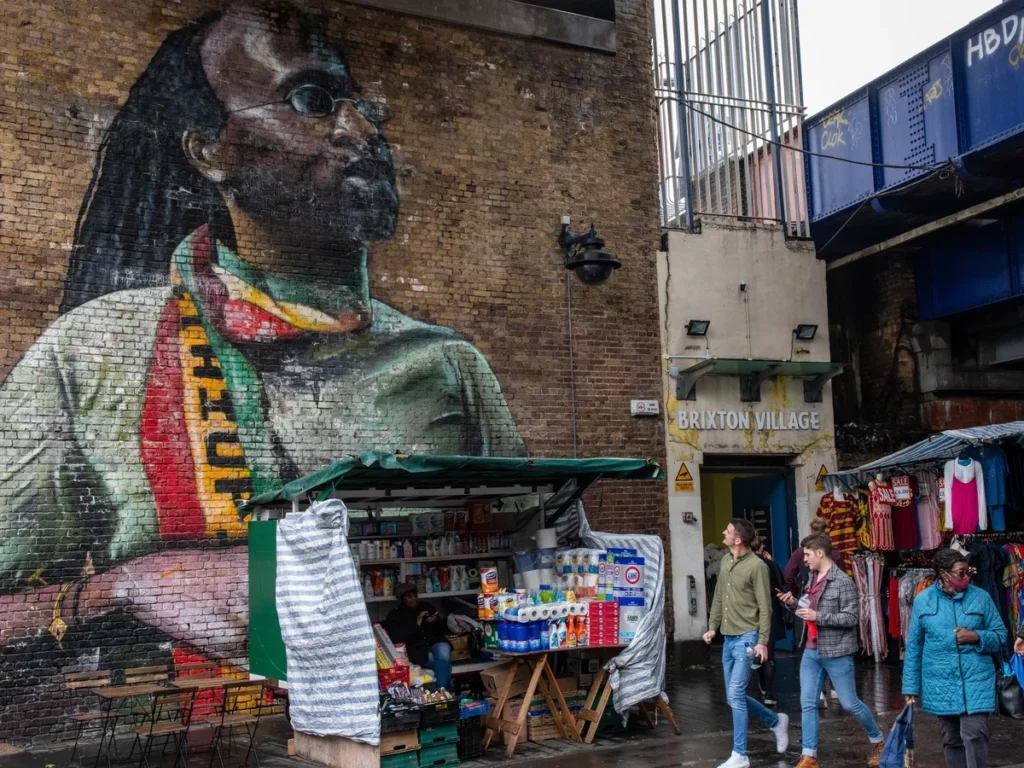
For many of these business owners, survival meant more than balancing books—it required agility, reinvention, and a willingness to embrace new opportunities. Restaurants and cafés, for instance, pivoted to delivery models and digital platforms, turning social media into a lifeline for customer engagement. Fashion designers and makers, once reliant on in-person markets and pop-up events, invested in online storefronts and virtual showcases, reaching audiences far beyond London. These adaptations were not just responses to a crisis; they were expressions of entrepreneurial ingenuity, transforming adversity into opportunity.
Underlying this success is a strong sense of community and collaboration. Networks of Black entrepreneurs, informal peer groups, and mentoring initiatives provided crucial support during the pandemic, offering advice on grants, access to funding, and strategies for sustaining operations. Beyond the practical, these networks also offered moral support, a shared sense of resilience that reinforced the determination to persevere. In many cases, collaboration led to joint ventures, co-branded initiatives, and creative partnerships that strengthened visibility and market presence for multiple businesses at once.
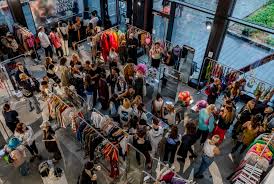
The stories emerging from this period highlight the diversity and vibrancy of London’s Black-owned businesses. From artisanal food brands celebrating African and Caribbean culinary heritage, to tech startups developing apps and services tailored to underserved communities, to wellness and beauty enterprises redefining inclusivity, these businesses are shaping sectors across the capital. Their success is a testament not only to individual talent and vision but also to the broader role of cultural identity, heritage, and community in informing business strategy and consumer engagement.
As London moves further into the post-pandemic era, these entrepreneurs are setting new standards for resilience and growth. They are demonstrating that recovery is not merely a return to pre-pandemic levels, but an opportunity to innovate, expand, and redefine markets. Access to funding, mentorship, and equitable policy support remains crucial, but the stories of these businesses prove that vision, resourcefulness, and community networks can overcome even the most daunting challenges.
Ultimately, the success of Black-owned small businesses in post-pandemic London reflects more than economic achievement—it represents a reclaiming of opportunity, a reassertion of creativity, and a model for inclusive growth. These enterprises are not only sustaining livelihoods; they are enriching the city’s cultural fabric, inspiring the next generation of entrepreneurs, and demonstrating that adversity can be transformed into triumph when determination, skill, and community converge.
About The Author