



Black hair is far more than a matter of beauty or fashion. It is a living archive of African identity, colonial violence, resistance, survival, and ongoing liberation. Across centuries, Black hair has been politicized, controlled, stigmatized, and reclaimed. Even today, many Black women still feel they cannot simply wash, comb, and leave their hair in its natural state without facing judgment—because they were taught, consciously and unconsciously, that their natural Afro-textured hair is “messy”, “unprofessional”, and not how it was meant to look. Yet the Afro is exactly how it was meant to be.
Black Hair in Ancient Africa: Identity, Status, and Spirituality
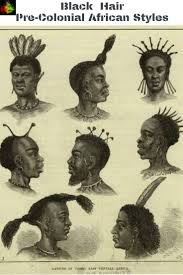
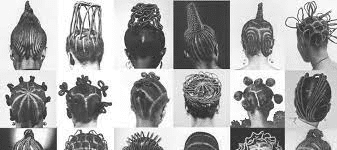
Before colonisation and slavery, hair in African societies was deeply symbolic. Hairstyles communicated identity, age, marital status, spiritual beliefs, and social rank. From the sculpted crowns of ancient Nubia to Yoruba braids and Maasai beadwork, hair was both art and language. Natural oils, herbs, and plant-based products nourished the hair, and styling was a communal, generational practice. Hair connected the physical body to the spiritual world and the wider community.
In Africa, Afro-textured hair was never a problem to be fixed. It was a gift to be celebrated.
Enslavement: The Violent Stripping of Identity
The transatlantic slave trade marked a brutal rupture in Black hair history. Enslaved Africans were often forcibly shaved upon capture, symbolizing the violent erasure of their culture, dignity, and personal identity. Deprived of traditional tools and products, they were forced to use animal fat, harsh substances, and limited resources for hair care. Many women were required to cover their hair with headwraps under European laws and customs.
During this time, European beauty standards were imposed as superior. Natural African hair was cast as “primitive,” while straight hair was elevated as the acceptable norm. This planted the seeds of deep psychological harm, internalized racism, and texture-based discrimination that persist today.
Post-Slavery and the Birth of “Good Hair” vs. “Bad Hair”
Following emancipation, survival in a racist society often required assimilation. Straightened hair became associated with better treatment, employment opportunities, and social mobility. Hot combs, relaxers, and chemical straighteners became widespread.
This era crystallized the harmful ideology of “Good Hair vs. Bad Hair.”
Straightened hair became synonymous with “good hair,” respectability, and professionalism, while natural Afro-textured hair was deemed unkempt, messy, or unprofessional. This belief system did not simply shape appearance—it shaped self-worth, opportunity, and identity.
Entrepreneurs like Madam C. J. Walker created powerful economic opportunities for Black women through hair care businesses. Yet this progress existed within a framework that still rewarded closeness to Eurocentric features.
The Afro as Resistance: The Black Power Era
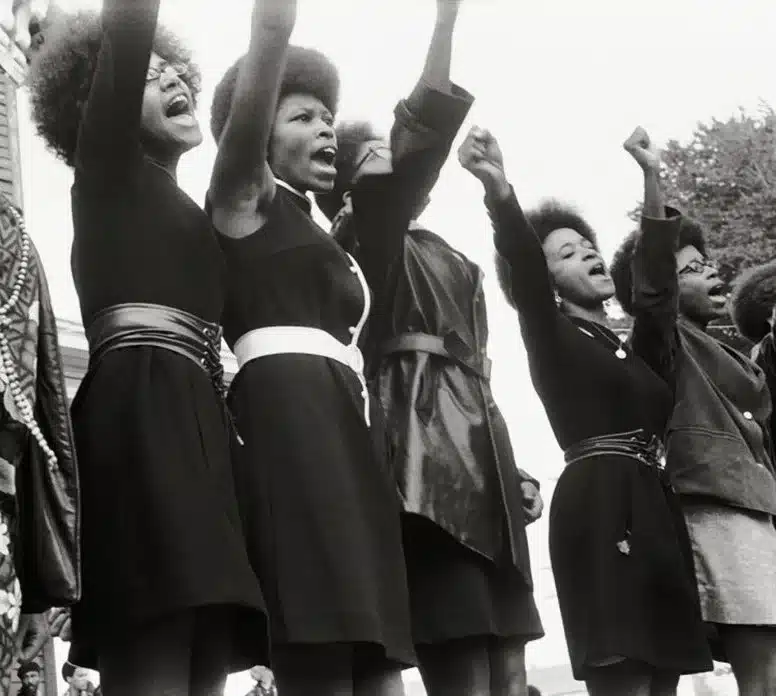
In the 1960s and 1970s, the Civil Rights and Black Power movements transformed natural hair into a bold political declaration. The Afro became a visible rejection of white beauty standards and a proud affirmation of African heritage. Wearing natural hair was no longer just a personal choice—it was resistance, identity, and protest.
“Black is Beautiful” was not just a slogan. It was a radical re-education of the Black mind.
Commercialisation and Contradictions: 1980s–2000s
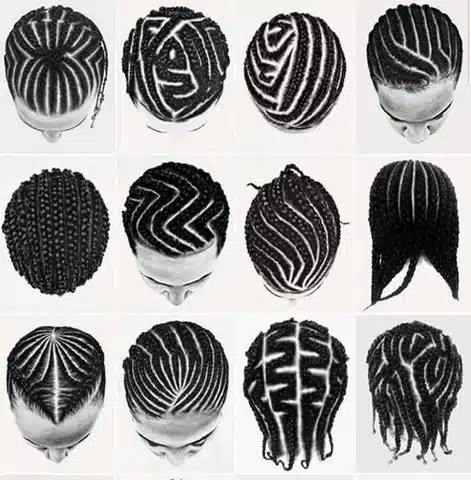
The late 20th century brought diversity and contradiction. Braids, cornrows, locs, weaves, and wigs flourished globally, especially through music and pop culture. Yet at the same time, many schools and workplaces still penalized natural hairstyles. Black women navigated a complex balance between cultural expression and workplace survival.
Natural hair was visible—but not yet fully accepted.
The Modern Natural Hair Movement and Ongoing Struggles
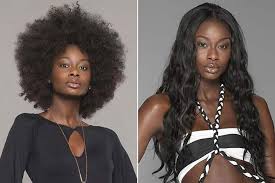
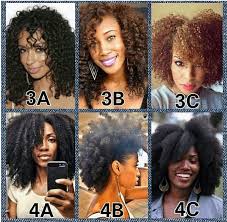
From the 2010s onward, a powerful global natural hair movement emerged through social media, community education, and Black-owned beauty industries. More women began embracing their 4C, 4B, and 4A textures. Legal protections against hair discrimination also began to emerge in some countries.
Yet despite this progress, a painful truth remains:
Even today, many Black women feel they cannot simply wash and comb their hair and “just go”. They have been made to believe—through generations of social conditioning—that their natural Afro is messy, unprofessional, or somehow incomplete without alteration. This belief is not natural; it is learnt through centuries of colonial thinking, workplace discrimination, and cultural shaming.
The irony is profound: the Afro, in its tightly coiled, gravity-defying beauty, grows exactly as it was meant to grow.
Hair discrimination is not cosmetic—it affects education, employment, self-esteem, and social belonging. For many Black girls, the earliest lessons about “beauty” and “acceptance” center on how their hair must be altered to be considered acceptable.
Reclaiming What Was Never Broken
The modern natural hair movement is not merely about style—it is about decolonizing the mind, restoring historical truth, and healing intergenerational trauma. Each Afro worn freely, each child taught to love their coils, each workplace that accepts natural hair as professional, is a step toward full liberation.
Black hair was never the problem.
The problem was the system that taught Black people to see themselves through colonial eyes.
Conclusion
The history of Black hair is a story of beauty, brutality, endurance, and rebirth. From the sacred styles of ancient Africa to the violent erasure of slavery, from the damaging ideals of “good hair vs. bad hair” to the revolutionary power of the Afro, Black hair remains one of the most visible battlegrounds of identity.
Today, as more Black women choose to wear their hair as it naturally grows, they are not just making a fashion statement—they are correcting history.
About The Author