


The emergence of Artificial Intelligence (AI) in global affairs is reshaping how nations communicate, strategize, and even pursue peace. With the ability to analyze vast amounts of data, predict potential conflicts, and simulate negotiation outcomes, AI is becoming an invaluable tool in international relations. Traditional diplomacy, once confined to human intellect and emotional intuition, is now being complemented—and in some cases, challenged—by machine learning systems that offer speed, precision, and objectivity. The idea of “artificial diplomacy” is no longer futuristic speculation; it is an evolving reality in the quest for more efficient conflict resolution.
AI’s strengths lie in its data-driven decision-making and capacity to identify patterns that humans might overlook. Algorithms can assess historical treaties, economic indicators, and communication trends to forecast the consequences of certain diplomatic moves. By removing emotional biases and political ego, AI could, in theory, foster fairer and more rational negotiations. For instance, AI-driven mediation tools could help conflicting parties find common ground based on mutual interests rather than subjective perceptions or mistrust. Such capabilities might revolutionize peace talks, especially in complex, multi-stakeholder conflicts where human negotiators often struggle with partiality or pressure.

However, the use of AI in diplomacy also raises profound ethical and practical questions. Can algorithms truly understand human suffering, cultural nuance, or moral responsibility? Peace is not merely a mathematical equation; it involves empathy, trust, and the subtle art of persuasion—qualities that remain inherently human. Furthermore, there is the risk of manipulation: if AI systems are trained on biased or incomplete data, they could reinforce existing power imbalances rather than resolve them. The opacity of AI decision-making, known as the “black box problem,” also challenges accountability in global negotiations.

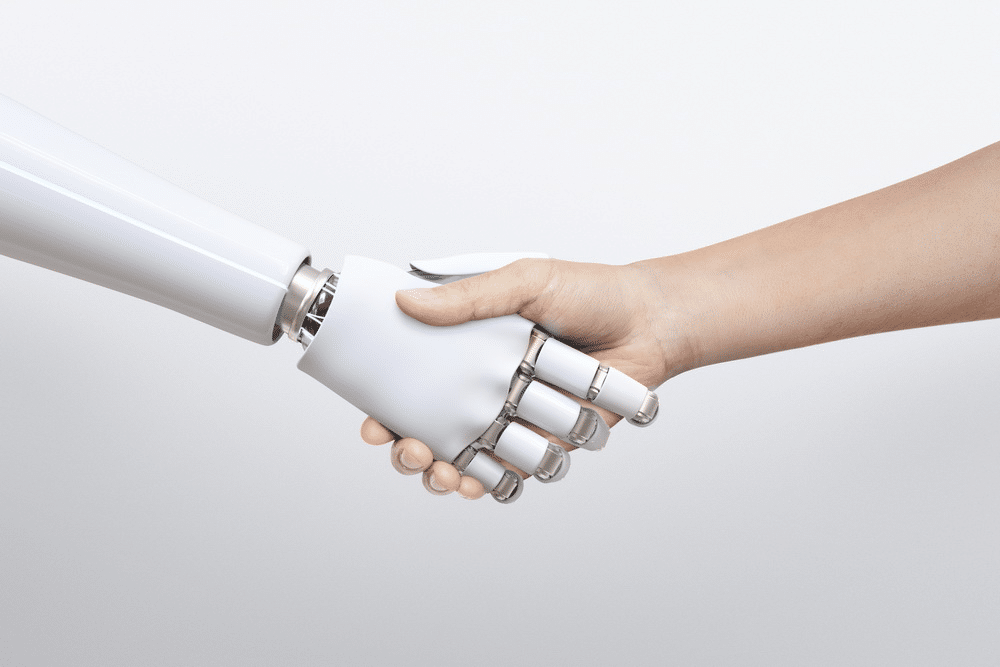
Ultimately, artificial diplomacy should not aim to replace human diplomats but to augment their capabilities. The most effective peace processes will likely emerge from collaboration between human wisdom and machine intelligence. AI can serve as an advisor, a neutral analyzer, or even a mediator—but humanity must remain the moral compass guiding its use. As nations embrace technological innovation in diplomacy, the goal should not be to create emotionless negotiators, but to build smarter, fairer, and more compassionate frameworks for lasting peace.
About The Author