



In today’s digital world, social media plays a powerful role in shaping how young people see themselves and their bodies. Platforms like Instagram, TikTok, and Snapchat are filled with images of seemingly perfect bodies, fitness routines, and “ideal” diets. While these posts may seem harmless, they often create unrealistic beauty standards that pressure youth to compare themselves with others. Over time, this constant exposure can distort self-image, leading to dissatisfaction, low self-esteem, and unhealthy eating behaviors.
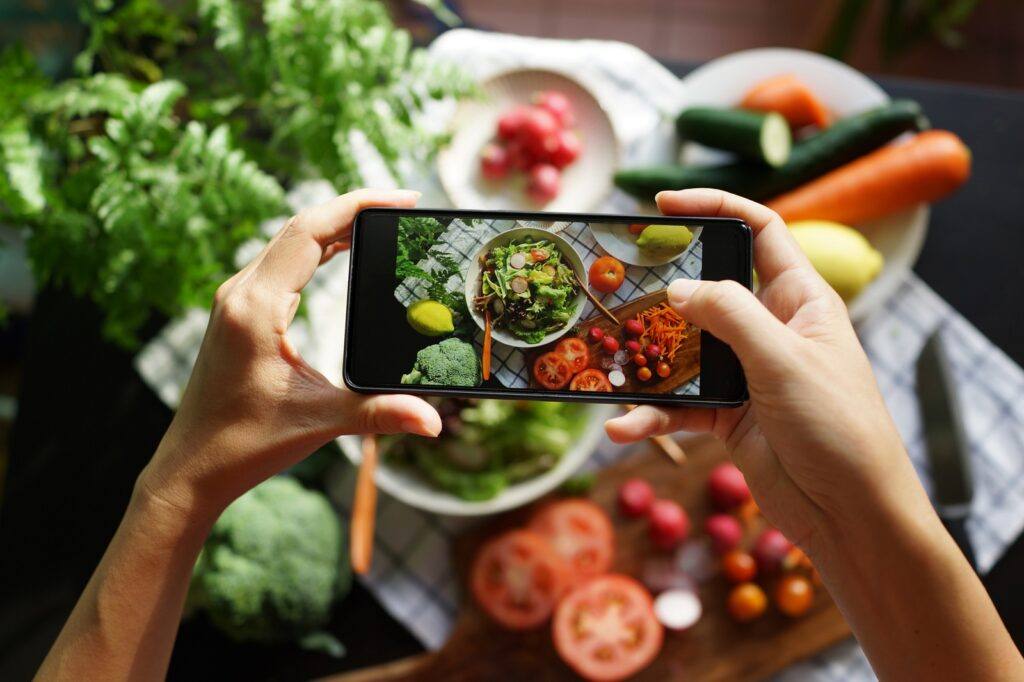
Many influencers promote diet trends and “quick-fix” weight-loss methods that are neither balanced nor sustainable. These trends, often disguised as wellness advice, can encourage restrictive eating or guilt around food. Young people who internalize such messages may start associating self-worth with appearance or food choices. This can contribute to harmful cycles of overeating, undereating, or obsessing over calories—all of which negatively impact both physical and mental health. What starts as admiration for online fitness culture can easily turn into silent emotional struggle.

However, social media doesn’t have to be entirely negative. When used mindfully, it can also promote body positivity, self-acceptance, and healthy lifestyles. Many creators now advocate for realistic body images, balanced eating, and mental health awareness. By following authentic voices and diverse representations, youth can learn to appreciate different body types and understand that health is not defined by appearance alone. Critical thinking—questioning what is real versus edited—is key to maintaining a healthy mindset online.

Ultimately, social media’s influence on body image and eating habits depends on how it is used. Young people must learn to filter harmful content and engage with platforms that uplift rather than compare. True beauty comes from confidence, balance, and well-being—not likes or filters. By embracing self-love and mindful social media use, youth can build a positive relationship with both their bodies and their food, paving the way for a healthier, happier generation.
About The Author