



In times of stress, many people reach for comfort foods—sugary snacks, fast food, or caffeine—to feel better. While these options may offer temporary relief, they often leave the body drained and the mind foggy. What many don’t realize is that food plays a powerful role in shaping emotional resilience—the ability to recover from stress and maintain inner balance. The nutrients we consume directly affect brain function, hormone regulation, and energy levels, all of which influence how we handle challenges.

Certain foods can strengthen the mind just as they strengthen the body. Whole grains, fruits, vegetables, nuts, and seeds provide essential vitamins, minerals, and antioxidants that help the brain manage stress more effectively. Omega-3 fatty acids found in fish and flaxseeds support mood regulation, while foods rich in magnesium and B-vitamins help reduce anxiety and fatigue. By nourishing the body with balanced meals, young people can stabilize their emotions, think more clearly, and respond to difficulties with calmness and confidence.

On the other hand, diets high in sugar, processed foods, and caffeine can make stress harder to manage. These foods cause quick energy spikes followed by crashes, leaving the body feeling tired and the mind overwhelmed. Over time, poor eating habits can increase the risk of mood swings, irritability, and even depression. Recognizing this connection empowers youth to make mindful food choices that not only support their physical health but also protect their emotional well-being.
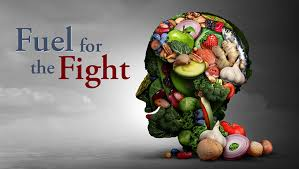
Ultimately, building emotional resilience starts on the plate. When young people choose foods that fuel the brain, balance hormones, and boost energy, they equip themselves to face life’s pressures with strength and positivity. Food is more than nourishment—it’s a daily opportunity to care for the mind and build inner stability. By eating well, youth can transform stress into strength and cultivate a mindset ready to thrive in any situation.
About The Author