



Humanitarian intervention has long stood at the intersection of moral duty and political complexity. In the 21st century—an era defined by instantaneous communication, global interdependence, and highly visible crises—the pressure on nations and international organizations to act swiftly when atrocities occur has only intensified. Yet the decision to intervene is rarely straightforward. It demands a careful balance between respecting national sovereignty and protecting vulnerable populations facing genocide, ethnic cleansing, or state-sponsored violence.
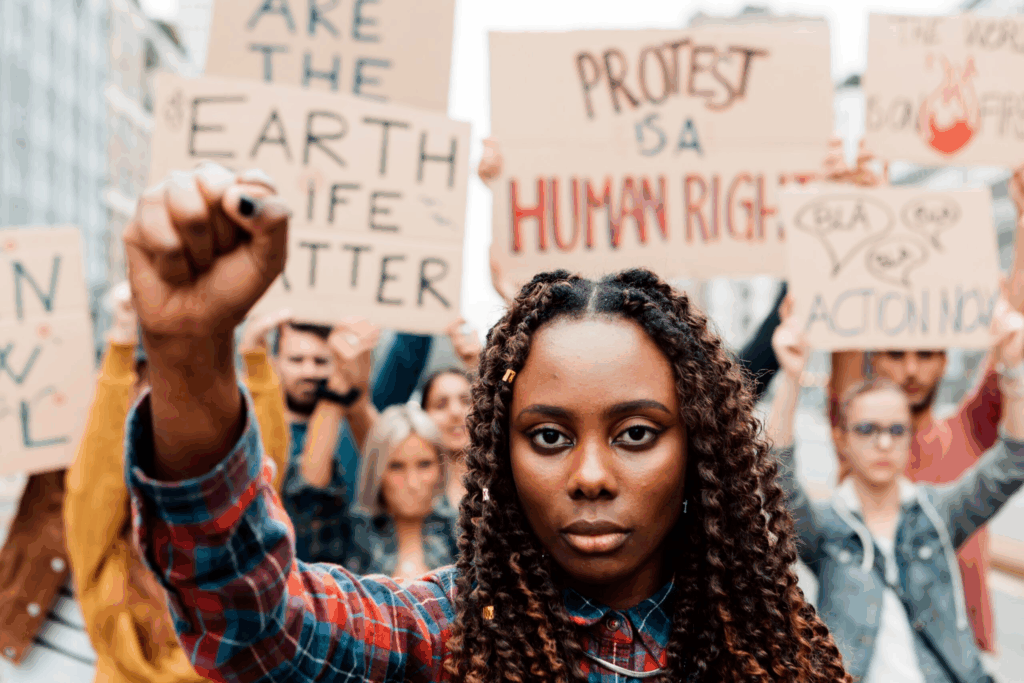
Modern humanitarian interventions are shaped not only by moral imperatives but also by geopolitical realities. Powerful nations may justify military action under the banner of humanitarianism, raising questions about hidden motives or selective engagement. Conversely, inaction can stem from fear of long-term entanglement or political backlash. These tensions underscore a central ethical dilemma: when does the responsibility to protect outweigh the principles of sovereignty and non-interference? The answer is often clouded by the inconsistent application of international norms and the uneven willingness of global actors to take risks for people beyond their borders.
Technological advancements further complicate the ethical landscape. Social media exposes atrocities in real time, generating public pressure for intervention, while drones and precision weapons offer new tools for limited engagement. Yet such technologies can distance intervening states from the human costs of conflict, potentially lowering the threshold for the use of force. Humanitarian action is no longer solely about boots on the ground; it now involves cyber operations, sanctions, and information campaigns—all of which raise their own ethical questions about proportionality, accountability, and unintended consequences.
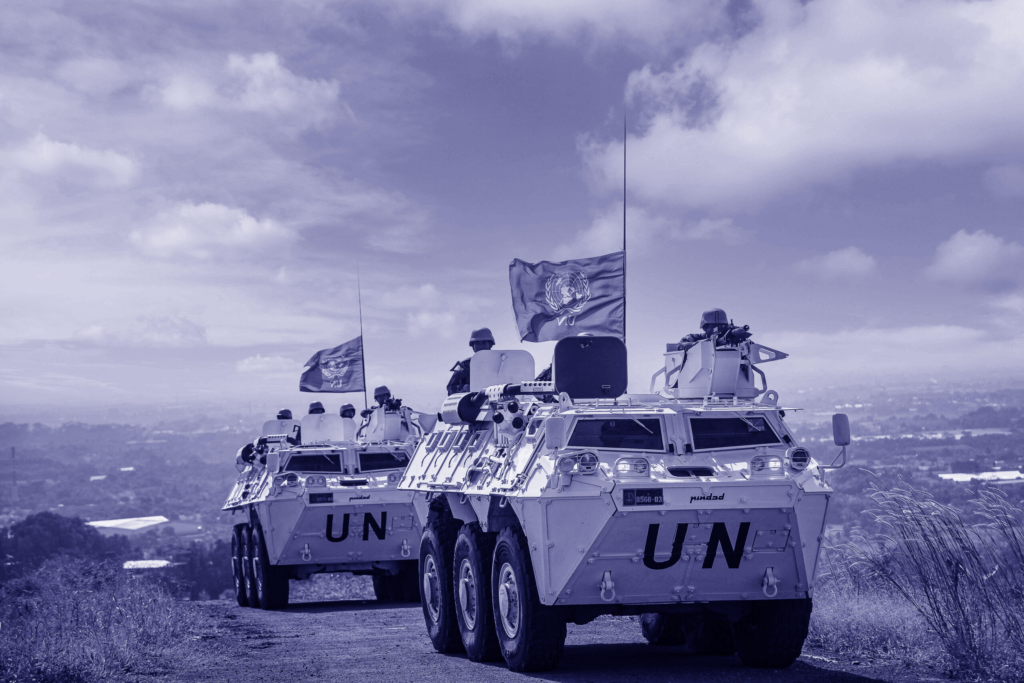
Ultimately, the ethics of humanitarian intervention in the 21st century require a reexamination of global governance and collective responsibility. Stronger international frameworks, clearer legal standards, and more equitable burden-sharing are essential to ensure that interventions are motivated by genuine humanitarian concern rather than strategic self-interest. As crises continue to transcend national borders, the global community must refine both its moral compass and its mechanisms for action, ensuring that humanitarian principles—not politics—guide decisions when lives are at stake.
About The Author