



Mental health among young people has become an increasingly urgent issue in today’s fast-paced and complex world. The pressures faced by children, teenagers, and young adults are unprecedented, stemming from academic expectations, social dynamics, family challenges, and the pervasive influence of digital technology. Despite growing awareness, mental health issues in youth remain under-addressed, often hidden behind stigma or misunderstood as mere phases of growing up. Recognizing and actively addressing the mental health needs of young people is not just a matter of individual well-being but a societal imperative that affects communities, education systems, and economies.
Young people today navigate a landscape filled with unique stressors. Academic pressure is relentless, with many feeling the weight of high expectations to excel and secure a successful future. The competition for college admissions, scholarships, and job opportunities can lead to chronic stress and anxiety. Beyond school, social relationships are complicated by the omnipresence of social media, which, while offering connectivity, also exposes youth to cyberbullying, unrealistic comparisons, and social isolation. These challenges can exacerbate feelings of loneliness and low self-esteem. Moreover, family instability, economic hardships, and exposure to trauma contribute additional layers of emotional strain. Unfortunately, many young people do not receive the support they need, either because mental health services are inaccessible or because societal attitudes discourage open conversations about mental struggles.
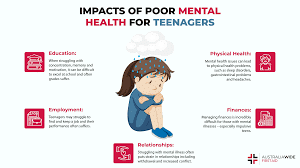
The consequences of neglecting mental health in youth are profound and far-reaching. Untreated mental health conditions such as depression, anxiety, and behavioral disorders can impair academic performance, disrupt social relationships, and increase the risk of substance abuse and self-harm. According to global health studies, suicide is among the leading causes of death in adolescents and young adults, underscoring the critical need for early intervention. Beyond the immediate risks, poor mental health in youth can lead to long-term challenges, including difficulties in employment, relationships, and overall quality of life. Addressing these issues early can prevent a cascade of negative outcomes that not only affect individuals but place significant burdens on healthcare systems and society at large.

One of the biggest barriers to tackling youth mental health is the stigma that surrounds it. Despite growing public discourse, many young people still feel ashamed or fearful of seeking help, worrying about judgment from peers, family, or even educators. This stigma can silence them, delaying diagnosis and treatment. Schools and communities often lack the resources or training to identify and support students facing mental health challenges. In many regions, mental health services for young people are underfunded or not tailored to their specific needs, leaving a gap between demand and availability. To address this, there must be a concerted effort to normalize conversations about mental health, educate families and educators, and build accessible, youth-friendly support systems.
Technology itself is a double-edged sword when it comes to youth mental health. On one hand, digital platforms can facilitate access to mental health resources, offer support communities, and provide innovative tools such as therapy apps and online counseling. These can be particularly useful for young people who may feel uncomfortable seeking face-to-face help or live in areas with limited services. On the other hand, excessive screen time, exposure to harmful content, and the addictive nature of some apps can worsen mental health issues. It is crucial to balance the use of technology by promoting digital literacy and encouraging healthy online habits alongside traditional mental health support.
Schools play a pivotal role in addressing mental health among young people. They are often the environments where signs of distress first appear and where interventions can be most effective. Integrating mental health education into curricula helps students understand their emotions and develop coping skills. Training teachers and staff to recognize symptoms and respond appropriately can create a safer and more supportive environment. Furthermore, schools should collaborate with mental health professionals to provide counseling services and referrals. Such comprehensive approaches not only assist students in crisis but foster an overall culture of well-being and resilience.
Families also hold a crucial role in supporting young people’s mental health. Open communication, emotional support, and a nurturing environment can significantly mitigate the impact of external stressors. Parents and caregivers benefit from education about mental health to recognize warning signs and know how to seek help. When families are equipped with knowledge and resources, they become the first line of defense in promoting mental wellness and preventing escalation of problems. Community organizations and healthcare providers can assist by offering workshops, support groups, and guidance tailored to families.
Government and policy makers must prioritize mental health as an integral part of public health strategies. This includes increasing funding for mental health services, ensuring equitable access regardless of socioeconomic status, and implementing policies that promote mental wellness in schools and workplaces. National campaigns aimed at reducing stigma and raising awareness can shift cultural perceptions and encourage young people to seek help without fear. Moreover, research and data collection are essential to understand emerging trends and tailor interventions effectively. Mental health cannot remain on the sidelines; it must be embedded in broader health and social policies to create sustainable change.
Addressing mental health among young people requires a multifaceted and collaborative approach. It demands action from families, educators, healthcare providers, communities, and governments working together to create environments where young people feel seen, heard, and supported. The benefits of such investments are immense: healthier youth who can thrive academically, socially, and emotionally, and who grow into adults capable of contributing positively to society. Ignoring these needs risks perpetuating cycles of distress and disability that affect not only individuals but entire communities.

In conclusion, the mental health of young people is a critical issue that deserves urgent attention. With the unique pressures they face today, combined with historical gaps in support and stigma, many young individuals find themselves vulnerable and underserved. However, by fostering open dialogue, increasing access to tailored services, leveraging technology wisely, and implementing supportive policies, society can make significant strides in improving youth mental health outcomes. It is an investment not just in young people but in the future well-being and prosperity of communities worldwide. The time to act is now, ensuring that mental health is recognized, respected, and prioritized as a fundamental part of youth development.
About The Author