



As digital life becomes more deeply woven into everyday routines, staying safe online is no longer optional—it is essential. From social media and online learning to banking and job applications, people now spend a significant part of their lives connected to the internet. Yet, with this convenience comes risk. Cyber threats are becoming more common, more convincing, and more targeted, especially toward young and inexperienced users.

Cyber hygiene refers to the simple, everyday habits that help protect individuals from online dangers. Just like personal hygiene keeps the body healthy, cyber hygiene keeps digital life secure. In 2026, where almost every activity has an online component, these habits are becoming as important as locking your house or protecting your wallet.
One of the most important habits is being mindful of what you share online. Many users unknowingly expose personal information such as phone numbers, school details, home locations, or even travel plans. Cybercriminals often use this information to manipulate or target individuals. Practicing good cyber hygiene means thinking carefully before posting anything online and remembering that once something is shared, it can be very difficult to completely remove it from the internet.
Another key habit is the use of strong and unique passwords. Many people still use simple passwords that are easy to guess, such as names, birthdays, or repeated numbers. This creates an easy entry point for hackers. A strong password combines letters, numbers, and symbols, and should not be reused across multiple accounts. In 2026, password managers are becoming more common tools that help users store and manage secure passwords safely.
Recognizing suspicious messages is also an essential skill. Phishing attempts—where attackers pretend to be trusted institutions or individuals—are increasingly sophisticated. They may appear as messages from banks, schools, or even friends, asking users to click links or share sensitive information. Good cyber hygiene means being cautious with unexpected messages, verifying sources before responding, and avoiding clicking on unknown links.
Keeping devices updated is another simple but powerful habit. Many people ignore software updates, not realizing that these updates often contain important security fixes. Hackers frequently exploit outdated systems, so regularly updating phones, computers, and applications helps close security gaps and strengthens protection.
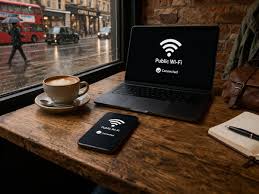
Public Wi-Fi usage also requires caution. While free internet access in places like cafes, schools, or public transport may be convenient, it is often less secure. Sensitive activities such as online banking or entering passwords should be avoided on unsecured networks unless proper protection, such as a VPN, is in use.
Beyond technical habits, responsible digital behavior plays a major role in cyber hygiene. This includes being respectful online, avoiding harmful content, and understanding that digital actions have real-world consequences. Cyberbullying, misinformation, and impulsive sharing can all have long-term effects on both individuals and communities.
For young people especially, building cyber hygiene habits early is critical. As students, job seekers, and future professionals, their digital presence will follow them into adulthood. Developing awareness now helps them navigate the internet safely and confidently in the future.
In conclusion, cyber hygiene is not about avoiding the internet—it is about using it wisely. As technology continues to evolve, so do online risks. However, with simple, consistent habits such as protecting personal information, using strong passwords, staying alert to scams, and maintaining updated devices, anyone can significantly reduce their vulnerability.
In a digital world that never sleeps, staying safe online is one of the most important life skills of 2026.
About The Author