


Young people today navigate a financial landscape dominated by apps, crypto, and instant payments, where traditional money lessons fall short against the pull of viral spending trends and algorithmic nudges. Digital tools bridge this gap by turning abstract concepts like budgeting and investing into interactive, real-time experiences, helping Gen Z and millennials avoid debt traps while building wealth in an economy that demands tech-savvy habits from the start.

Interactive Apps for Everyday Mastery
Platforms like Mint or YNAB gamify expense tracking, syncing bank data to visualize cash flow and flag impulse buys before they derail savings goals. Robo-advisors such as Wealthfront offer low-entry investing with AI-driven portfolios tailored to risk tolerance, demystifying stocks and ETFs for users who might otherwise scroll past financial advice. These apps provide instant feedback—celebrating a week of underspending or warning about overdraft risks—making literacy feel urgent and achievable rather than a chore.

Simulations and Education Hubs
Free simulators from Intuit for Education let teens file mock taxes or run virtual businesses using tools like TurboTax, building confidence through trial-and-error without real stakes. FDIC’s Money Smart series delivers age-specific modules on everything from needs-versus-wants to digital payment safety, complete with slides and handouts that educators adapt for classrooms or community workshops. Globally, initiatives like MoneyAfrica deliver culturally relevant content via mobile libraries, teaching Africans abroad how to remit wisely amid currency fluctuations.

Preparing for Lifelong Security
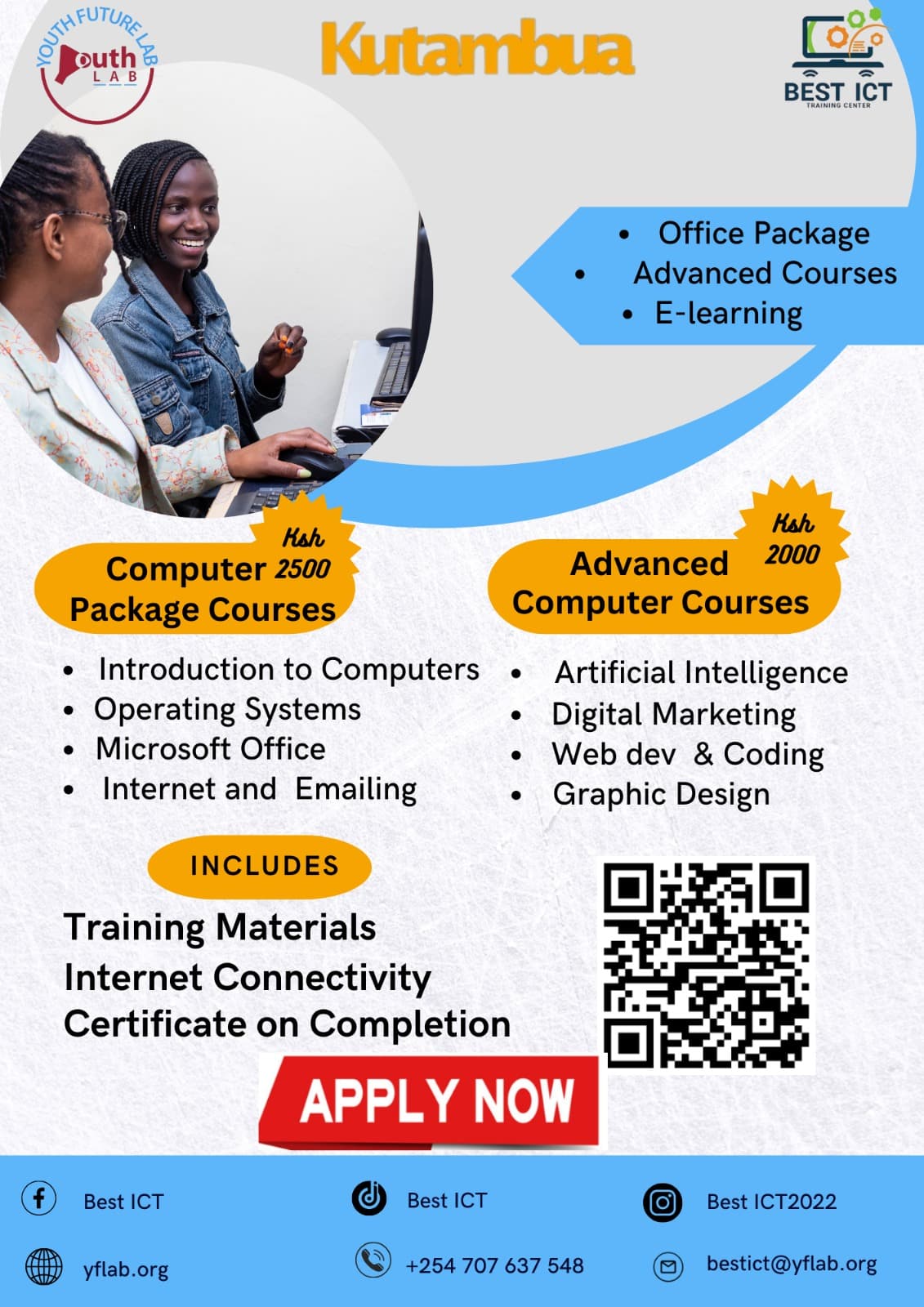
In Kenya’s context, tools mirroring Fradynex’s free platform empower youth at events like the Best ICT Hub to track personal finances live, linking budgeting to AI innovation courses for entrepreneurial edge. By prioritizing privacy, personalization, and mobile access, these smart money tools combat misinformation from social media, fostering habits that turn gig earnings into sustainable futures amid rising costs and economic uncertainty.
About The Author