


For many years, academic certificates were seen as the ultimate gateway to employment. A degree or diploma was often considered the main proof that someone was qualified for a job. However, the job market is changing rapidly, and employers are beginning to look beyond paper qualifications. Increasingly, what matters most is not only what someone studied, but what they can actually do.

Across many industries today, practical skills and real-world experience are becoming more important than certificates alone. This shift is being driven by changes in technology, workplace demands, and the growing need for employees who can solve problems immediately without extensive training.
One of the main reasons for this change is the speed at which industries are evolving. Fields such as technology, digital marketing, design, and data analysis are constantly changing. By the time a traditional academic curriculum is updated, new tools and methods may already have emerged. Employers, therefore, prefer individuals who have hands-on experience and can adapt quickly to new systems.

As a result, skills-based hiring is becoming more common. Instead of focusing only on academic qualifications, many companies now assess what a candidate can actually demonstrate. This may include portfolios, practical tests, work samples, or evidence of previous projects. For example, a graphic designer may be evaluated based on their designs rather than their academic transcripts, while a software developer may be judged by their coding projects.
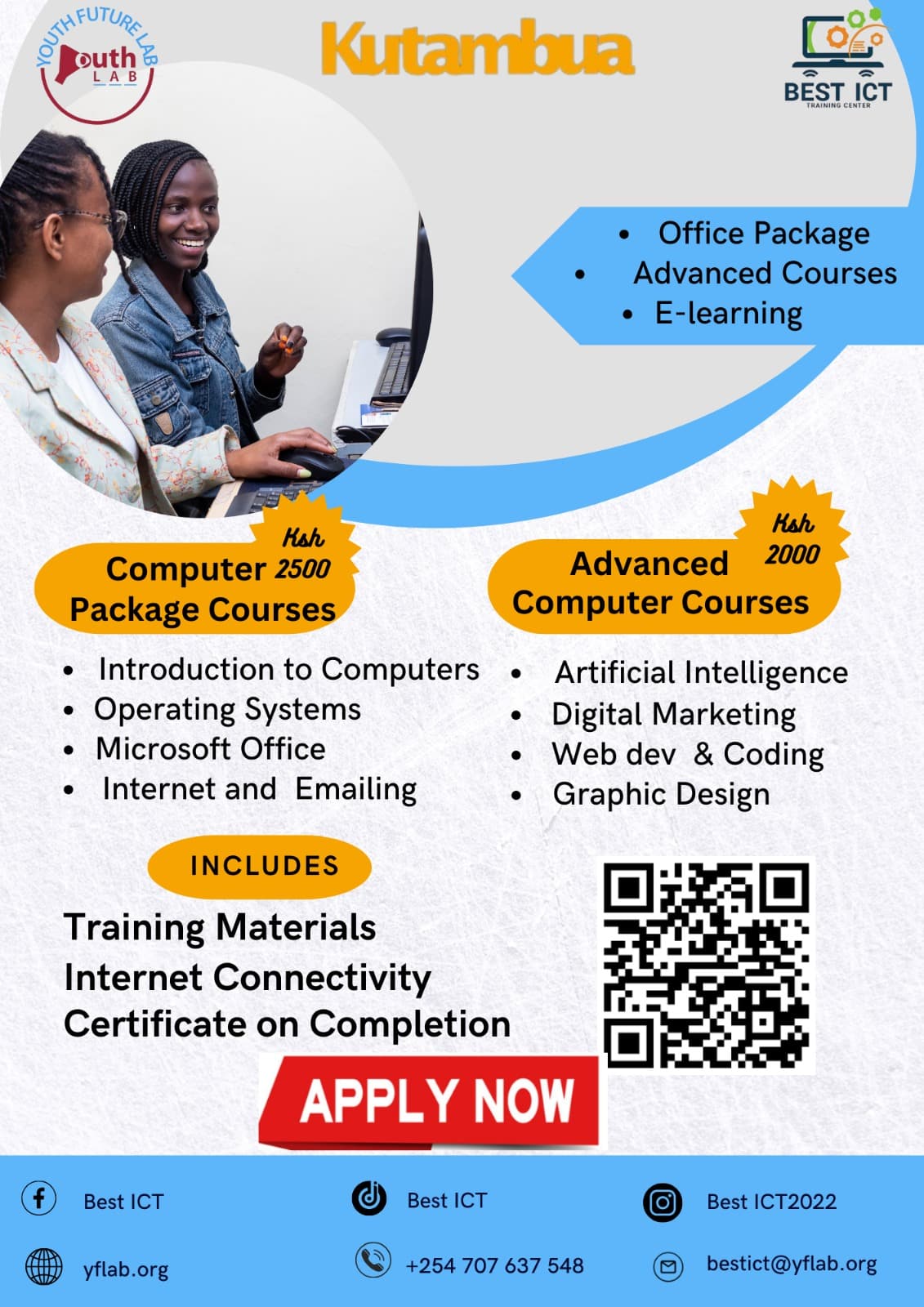
This shift has also been fueled by the rise of digital platforms and online learning. Today, young people can learn skills such as programming, video editing, writing, and digital marketing from online courses and practice them immediately. These platforms allow learners to build real experience even before entering formal employment, making them more competitive in the job market.
Internships, volunteering, and freelance work are also playing a major role in shaping employability. Many young people are gaining experience outside traditional classroom settings by working on real projects. These opportunities not only build skills but also teach important workplace habits such as communication, teamwork, time management, and problem-solving.

Employers are increasingly recognizing that a candidate with strong practical experience can often perform better than one with only academic qualifications. This is because practical experience demonstrates adaptability, initiative, and the ability to apply knowledge in real situations.
However, this does not mean that education is becoming irrelevant. Academic learning still provides an important foundation of knowledge, critical thinking, and discipline. The real shift is the growing expectation that education must be combined with practical application. In other words, a certificate alone is no longer enough—it must be backed by demonstrable skills.
In conclusion, the modern job market is moving from a certificate-driven system to a skills-driven system. While academic qualifications remain important, they are no longer the sole measure of employability. Practical experience, adaptability, and demonstrated skills are becoming the real currency of opportunity.
For young people, this means one important thing: learning should not stop at the classroom. It should continue through practice, exploration, and real-world experience—because in today’s world, what you can do often matters more than what you have on paper.
About The Author