



The shift toward a cashless economy is gaining momentum across the globe, driven by advances in digital technology and a growing demand for convenience. In such an economy, transactions are conducted through electronic means—credit cards, mobile payments, and online banking—rather than with physical cash. This transition offers numerous opportunities, including improved financial efficiency, enhanced security, and greater transparency in transactions. For governments, it can reduce the cost of printing and handling money while minimizing the risks associated with cash-based crime.
One of the most significant benefits of a cashless system is financial inclusion. Digital financial platforms allow people in remote or underserved regions to access banking services without the need for traditional infrastructure. This is particularly relevant in developing countries, where mobile money services like M-Pesa in Kenya have transformed how people save, send, and receive money. A cashless economy also streamlines business operations, reduces transaction times, and opens new opportunities for e-commerce and innovation in the financial sector.
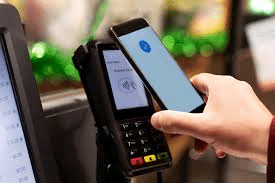
Despite these benefits, the move to a cashless society comes with several challenges. One major concern is the digital divide—many individuals, especially the elderly, low-income groups, and those in rural areas, may lack access to smartphones, internet connectivity, or digital literacy. This can lead to financial exclusion rather than inclusion, deepening existing inequalities. Moreover, a cashless economy increases reliance on technology, making systems vulnerable to cyberattacks, fraud, and technical failures that could disrupt financial services on a wide scale.

Privacy is another critical issue. In a fully digital financial system, every transaction is recorded, raising concerns about surveillance and data protection. Users may worry about how their financial data is collected, stored, and used by governments and corporations. Without strong cybersecurity and privacy regulations, people may become hesitant to adopt digital payments fully, fearing loss of control over their personal information.
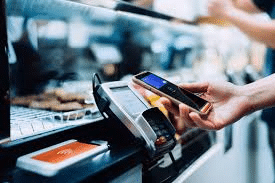
In conclusion, while the cashless economy presents exciting opportunities for innovation, efficiency, and broader financial access, it must be approached with caution and equity in mind. Governments and private sector players must work together to bridge the digital divide, protect user data, and ensure that digital infrastructure is robust and inclusive. A balanced strategy that combines the benefits of technology with safeguards for vulnerable populations is essential to making the cashless transition a success for all.
About The Author