


African communities today stand at a pivotal crossroads where the rich tapestry of traditional heritage meets the fast-paced demands of modernity. From ancient languages and oral storytelling to indigenous art, music, and social customs, Africa’s cultural legacy is both deep and diverse. However, globalization and rapid technological change have introduced new values, lifestyles, and systems that often challenge traditional ways of life. The question facing many communities is not whether to choose between heritage and progress, but how to harmoniously integrate the two.

One key strategy lies in cultural preservation through innovation. Young African entrepreneurs, artists, and technologists are finding creative ways to digitize folklore, revive traditional crafts, and blend indigenous knowledge with modern platforms. For example, mobile apps now teach endangered African languages, while fashion designers are reimagining traditional fabrics like kente and ankara for global markets. This fusion allows heritage to remain relevant and appreciated in contemporary contexts, especially by younger generations.
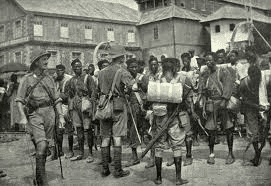
Education also plays a critical role in bridging this gap. Schools and universities can incorporate African history, philosophy, and languages into their curricula alongside science, technology, and entrepreneurship. This approach helps students understand and respect their roots while equipping them to thrive in a globalized world. Moreover, cultural events, festivals, and local museums can serve as spaces where communities celebrate identity while exploring how to adapt traditions to current realities.
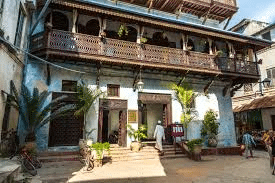
Ultimately, bridging heritage and modernity in African communities requires balance and intentionality. When tradition is seen not as a barrier but as a foundation, it can inspire innovation and unity. By honoring the past while embracing the future, African societies can forge a path that is both authentic and forward-looking—one that reflects the richness of their cultural identity in a modern world.
About The Author