



Artificial Intelligence (AI) has rapidly become one of the most transformative technologies of our time, influencing nearly every aspect of human life—from healthcare and education to business and entertainment. Proponents argue that AI holds the key to solving some of the world’s most complex problems. In medicine, for example, AI algorithms can detect diseases earlier and more accurately than ever before. In agriculture, AI-driven systems help optimize crop yields and reduce waste. These advancements suggest that AI has the potential to greatly improve global living standards and create a more efficient, connected world.
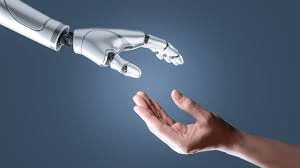
However, alongside its many benefits, AI also presents significant ethical, social, and economic risks. One of the most pressing concerns is the potential for job displacement. As machines become more capable of performing tasks once reserved for humans, millions of workers across various industries may find themselves unemployed or forced to retrain. Additionally, AI systems can unintentionally perpetuate and amplify existing biases, leading to unfair outcomes in areas like hiring, lending, and law enforcement.

Privacy and surveillance are also major concerns. AI-powered facial recognition and data analytics have made it easier for governments and corporations to monitor individuals, often without consent or transparency. This can erode civil liberties and foster a culture of control rather than freedom. Moreover, the increasing use of AI in military applications raises serious questions about the future of warfare and the role of autonomous weapons in conflict scenarios.
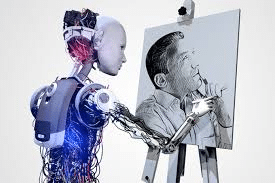
Despite these risks, the direction AI takes ultimately depends on how humanity chooses to govern and integrate it. Responsible development, transparent regulations, and ethical frameworks are essential to ensuring AI technologies serve the public good. Collaborative efforts among governments, tech companies, researchers, and civil society can help mitigate dangers while maximizing AI’s benefits. Education and awareness are also critical—citizens must be informed and empowered to question how AI is used in their lives.
In conclusion, AI is not inherently good or bad; it is a tool shaped by human intentions and systems. While it holds immense promise to drive progress and innovation, it also carries the potential for significant harm if left unchecked. The challenge lies in steering AI development with foresight, responsibility, and humanity at the center. Only then can we ensure that AI truly shapes our future for the better.
About The Author