



As the realities of climate change become increasingly visible—from devastating wildfires and hurricanes to rising sea levels and melting glaciers—many young people are experiencing a profound emotional response known as climate grief. This form of sorrow arises from the loss of ecosystems, species, and even hopes for a stable future. For youths who will inherit the consequences of environmental neglect, climate grief can feel overwhelming and isolating. Yet, acknowledging these feelings is a crucial step toward healing and inspiring meaningful action.

Coping with climate grief requires more than just awareness; it demands emotional resilience and community support. Young people must recognize that their feelings of sadness, anger, or helplessness are valid and shared by others around the world. Engaging in open conversations, joining environmental groups, or participating in activism can transform grief into empowerment. When youths come together, they create networks of solidarity that remind them they are not alone, and that collective efforts can make a difference.
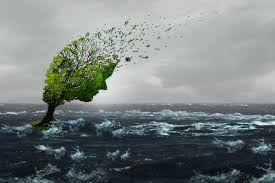
Moreover, addressing climate grief involves cultivating hope alongside awareness. While the environmental challenges are daunting, focusing solely on despair can lead to paralysis. Instead, young people can channel their emotions into learning, innovating, and advocating for sustainable solutions. Schools, families, and communities have a role to play by providing safe spaces for dialogue and encouraging positive engagement with nature. This balanced approach nurtures mental well-being and builds a sense of purpose rooted in action.
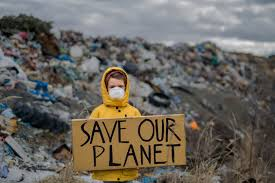
Ultimately, coping with climate grief is about transforming pain into progress. By facing the psychological impacts of a warming planet head-on, youths can develop the emotional tools needed to sustain long-term environmental activism. Their resilience not only benefits their own mental health but also strengthens the global movement toward a healthier, more just planet. In embracing both the grief and the hope, young people become powerful agents of change, ready to lead society into a sustainable future.
About The Author