



Introduction.
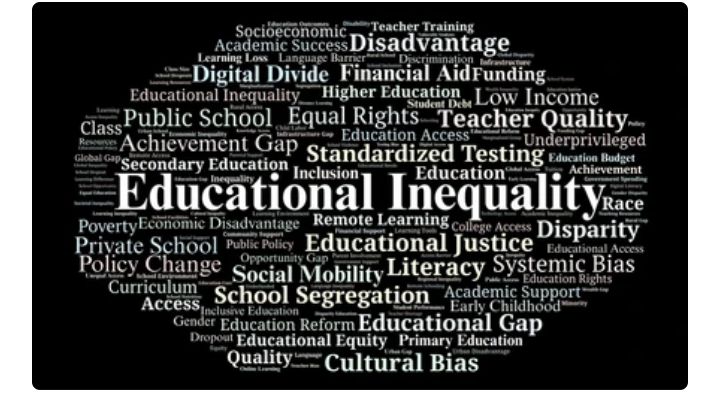
Educational inequality — differences in access, quality, and outcomes between different places and groups — shows up sharply at the county (or local) level. Whether caused by uneven funding, teacher shortages, poor infrastructure, or social barriers, these inequalities don’t stay confined to classrooms. They ripple outward, shaping health, economic opportunity, social cohesion, and the future prospects of whole communities. This article outlines the major effects counties experience when education is unequal, and closes with practical recommendations for local leaders and stakeholders.
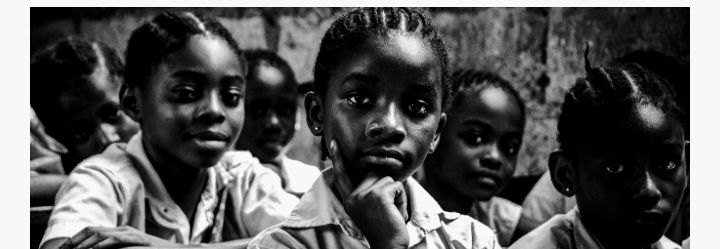
1. Lower learning outcomes and lost potential When schools in some counties lack qualified teachers, learning materials, or safe classrooms, students fall behind academically. Poor foundational skills in literacy and numeracy reduce the number of pupils completing secondary education and limit opportunities for higher learning or skilled employment. The immediate effect is lower exam performance and higher repetition/dropout rates; the long-term effect is a cohort of young people with unrealized human capital. For counties, this means a smaller pipeline of skilled workers, innovators, and civic leaders.
2. Widening economic inequality and reduced growth Education is a primary pathway out of poverty. Counties with under-resourced schools see higher youth unemployment and underemployment because local industries cannot find suitably trained staff. This depresses household incomes, reduces consumer spending, and limits the county’s tax base. Over time, wealth concentrates in better-served counties or urban centers, while poorly served counties experience slower economic growth, reduced investment, and persistent poverty traps
.3. Intergenerational and gendered disadvantage Educational inequalities often disproportionately affect girls, children with disabilities, and marginalized ethnic or linguistic groups. Where schools are far away, unsafe, or lack sanitation, girls are likelier to drop out. Children born into low-income families in disadvantaged counties have fewer chances to close the gap, producing intergenerational cycles of limited education and opportunity. This deepens social stratification and undermines equality of opportunity across generations.
4. Health and wellbeing impacts Education and health are tightly linked. Lower education levels correlate with reduced health literacy, worse health-seeking behavior, and higher rates of malnutrition and teenage pregnancy. Counties with weak schooling systems therefore face higher public-health burdens — more preventable diseases, maternal and child health challenges, and mental-health stressors among youth. The cost of addressing these health problems further strains already-limited local budgets.
5. Increased social problems and weakened civic life Lack of meaningful education opportunities can fuel frustration among youth, increasing the risk of crime, substance abuse, and recruitment into informal or illicit economies. Civic participation may suffer, too: educated citizens are more likely to demand accountability, vote, and engage in community problem-solving. Counties where education is unequal often experience weaker local governance and lower civic trust, making it harder to tackle development challenges collectively.
6. Migration and service pressures Unequal educational quality drives internal migration as families move to better-served counties or cities for schooling. This creates two parallel problems: source counties lose human capital (brain drain), and destination counties face overcrowded classrooms, strained services, and urban social pressures. Over time, this exacerbates regional imbalances and creates planning headaches for both sending and receiving local governments.
7. Labour market mismatch and reduced competitiveness When curricula, vocational training, and higher-education pathways are not aligned with local economic needs — or when access to vocational/technical education is limited in some counties — graduates may lack relevant skills. Employers then face a mismatch between available labor and required skills, discouraging investment or forcing firms to relocate to other counties with better-trained workforces. The county thus misses opportunities to diversify its economy or attract higher-value industries.
8. Cultural and psychosocial effects Schools transmit social norms and confidence. Inequitable education can erode self-esteem among learners in neglected counties, reducing aspirations and innovation. It may also deepen perceptions of marginalization among communities, feeding social tensions.

Conversely, well-supported education fosters cultural vitality, local leadership, and resilience.Recommendations (what counties can do now)
1. Targeted funding & resource equity: Use data to channel extra funding and learning materials to the most deprived schools and counties. Small investments in libraries, textbooks, and classroom repairs often yield large learning gains.
2. Teacher deployment and continuous training: Incentivize qualified teachers to work in underserved counties (allowances, housing, career pathways) and prioritize quality in-service training.
3. Strengthen local vocational and technical education: Align training with county economic strengths (agriculture, tourism, manufacturing) so young people can find local work.
4. Invest in girls’ education and inclusion: Improve school safety, sanitation, and flexible programs that keep girls and vulnerable children in school.
5. Data-driven planning: Collect and publish disaggregated county-level education data (attendance, learning outcomes, teacher ratios) to guide decisions and increase transparency.
6. Community partnerships: Engage local businesses, faith groups, and parents in supporting schools (mentorship, apprenticeships, infrastructure).
7. Leverage technology sensibly: Where feasible, use blended learning and low-cost digital content to supplement teaching — but pair tech with teacher support to avoid widening the digital divide.

Conclusion.
Educational inequalities at the county level are not just a matter of fairness inside classrooms — they shape economies, health, civic life, and the long-term prospects of entire communities. Addressing them requires focused, data-informed local action that combines fair resource distribution, teacher quality, inclusion, and strong community partnerships.When counties succeed in narrowing educational gaps, the benefits are broad and compounding: healthier populations, stronger local economies, and more resilient democracies.
About The Author