



Introduction.
Water is life. It is one of the most essential natural resources on Earth, vital for the survival of all living organisms. From drinking and cooking to farming and industrial production, clean water plays an indispensable role in our daily lives. Despite its importance, billions of people across the world still lack access to safe and clean water. According to the World Health Organization (WHO), over two billion people live in areas with unsafe water sources, leading to severe health, economic, and social challenges. The availability of clean water is therefore not only a basic human need but also a fundamental human right and a cornerstone for sustainable development.
Clean Water and Human Health Clean water is critical for maintaining good health. It prevents the spread of waterborne diseases such as cholera, dysentery, typhoid, and diarrhea, which claim millions of lives annually—especially among children under five. Contaminated water often carries harmful microorganisms, chemicals, and pollutants that can cause both short-term illnesses and long-term health complications.Access to safe drinking water improves hygiene and sanitation, reducing the risk of infections and promoting overall well-being. In hospitals and households, clean water ensures proper handwashing, food preparation, and medical care. A community with clean water access experiences fewer disease outbreaks, leading to lower healthcare costs and a stronger, healthier population.
Thus, investing in water purification systems and proper waste management directly contributes to better public health.Clean Water and Economic Development Clean water is a driving force behind economic growth. Industries such as agriculture, manufacturing, and energy production depend heavily on reliable water supplies. In agriculture, which provides livelihoods for billions of people, water is essential for irrigation, livestock care, and food processing. Without adequate clean water, crops fail, livestock suffer, and food shortages occur, leading to economic instability and hunger.
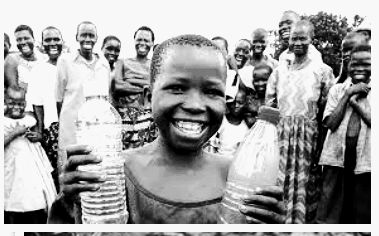
Moreover, access to clean water increases productivity. Workers who are healthy spend less time sick and more time contributing to their communities and economies. In contrast, contaminated water leads to diseases that reduce productivity and burden healthcare systems. Clean water also encourages investment and innovation, attracting industries and improving living standards. Therefore, ensuring safe water for all is not just a social goal but an economic necessity.
Clean Water and Environmental Sustainability The health of the environment is closely tied to the cleanliness of water sources. Rivers, lakes, and oceans support countless species of plants and animals. When these water bodies are polluted by chemicals, plastics, or waste, entire ecosystems are destroyed. Aquatic life such as fish, amphibians, and coral reefs suffer, which in turn disrupts the balance of nature and affects food chains.Protecting clean water helps preserve biodiversity and natural habitats. It also supports climate resilience. Forests, wetlands, and watersheds play a crucial role in filtering and storing clean water while regulating the Earth’s temperature. Sustainable water management practices—such as reducing pollution, preventing over-extraction, and protecting natural ecosystems—are essential for environmental justice and the planet’s long-term survival.
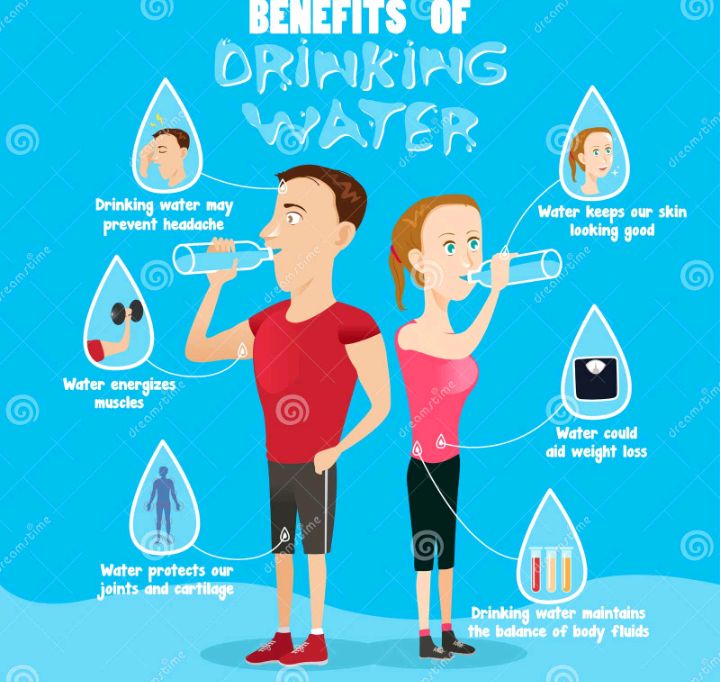
Clean Water and Education Clean water contributes significantly to education, especially in developing regions. In many parts of the world, children—particularly girls—spend hours walking long distances to fetch water for their families. This not only deprives them of schooling opportunities but also exposes them to risks such as exhaustion and unsafe conditions. When communities gain access to clean water near their homes or schools, attendance rates rise, and academic performance improves.Furthermore, schools with proper water and sanitation facilities promote hygiene education, teaching children lifelong habits that prevent disease and enhance community health. Investing in clean water is, therefore, an investment in education, gender equality, and human potential.
Challenges in Accessing Clean Water Despite its importance, many challenges hinder access to clean water. Rapid urbanization, population growth, and industrial pollution continue to strain water resources. Inadequate infrastructure, poor governance, and climate change worsen the situation, particularly in developing countries. Floods, droughts, and water scarcity caused by climate shifts make clean water access unpredictable.
Additionally, poverty and inequality mean that marginalized communities often lack the financial and political power to secure clean water sources. Addressing these challenges requires global cooperation, technological innovation, and community engagement to ensure that every person, regardless of location or income, has access to safe and sustainable water supplies.
Solutions and the Way Forward Ensuring universal access to clean water demands collective effort. Governments must enforce strict environmental regulations and invest in water treatment infrastructure. Communities should participate in protecting local water sources by reducing pollution and managing waste responsibly.
Technology also plays a key role—innovations such as solar-powered purification systems, rainwater harvesting, and wastewater recycling can provide affordable solutions, especially in rural and arid regions. International organizations and non-governmental agencies must continue to support water projects that empower local communities. Education about water conservation and hygiene is equally essential in promoting sustainable habits among individuals and families.
Conclusion.
Clean water is not a luxury—it is a fundamental necessity for health, prosperity, and life itself. Without it, no society can thrive, no environment can flourish, and no nation can sustain its people. Protecting and providing clean water should therefore remain a global priority, guided by principles of justice, equality, and sustainability. Every drop counts, and every action—whether conserving water at home, planting trees, or supporting clean water initiatives—brings us closer to a world where everyone enjoys the right to safe and clean water. The future of humanity depends on how well we protect this precious resource today.
About The Author