



Introduction.
why Plastic Pollution Still Threatens Marine Life Plastic pollution remains one of the most persistent and destructive environmental challenges of the 21st century. Despite global awareness campaigns, policy changes, and an increase in recycling initiatives, the world’s oceans continue to suffer from the escalating presence of plastics. Marine life—from microscopic plankton to the largest whales—faces daily threats from plastic waste. Understanding why this problem persists is essential for designing effective solutions.
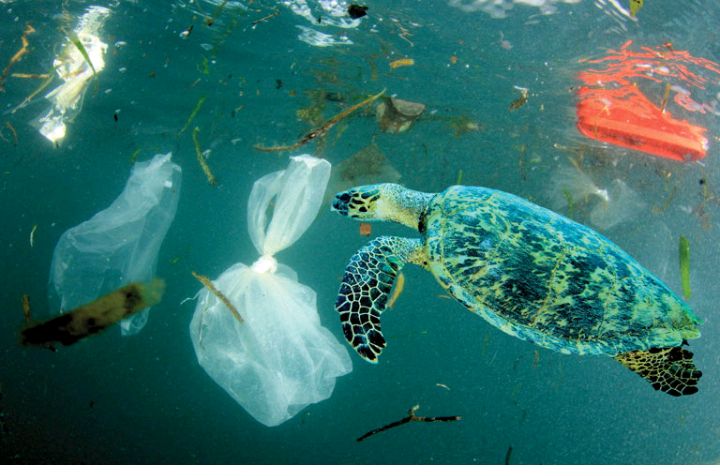
1. The Scale of Plastic Production Keeps Rising Plastic pollution continues mainly because global plastic production has not slowed down. In fact, it has increased. Every year, millions of tons of new plastic enter circulation, most of which is used only once before being thrown away. Single-use plastics—such as water bottles, food wrappers, straws, carrier bags, and packaging—make up the bulk of this waste.Even though many countries have introduced bans or taxes on certain plastics, the market demand remains extremely high due to plastic’s durability, low cost, and convenience. As long as production keeps rising faster than waste management systems can handle, oceans will continue receiving huge amounts of plastic.
2. Poor Waste Management and Disposal Practices One of the biggest reasons plastic pollution still threatens marine life is ineffective waste management. Many cities, especially in developing regions, struggle with garbage collection, recycling infrastructure, and proper disposal facilities. As a result, wastes end up in open dumps, rivers, drainage channels, and landfills located too close to water bodies.Rain runoff, wind, and flooding easily transport plastic waste from land to the sea. Studies estimate that 80% of ocean plastics originate from land-based sources. Even countries with good waste systems still leak plastics into nature because littering and illegal dumping are common.Once plastic enters rivers, it becomes almost impossible to retrieve before reaching the ocean. It then breaks into smaller pieces, creating microplastics that are even harder to remove.
3. Plastics Do Not Decompose Marine life remains under threat because plastic is not biodegradable. Instead of breaking down naturally, plastic materials break into smaller fragments when exposed to sunlight and waves. These pieces, known as micro plastics and nano plastics, can remain in the ocean for hundreds of years.This durability makes plastic a lasting hazard. A single plastic bottle discarded today may threaten marine life for centuries. Micro plastics infiltrate every part of the ocean—from surface waters to deep-sea trenches—and have been found inside fish, shellfish, seabirds, and even microscopic organisms.Because plastics persist for so long, even small amounts entering the ocean accumulate over time, creating massive concentrations like the Great Pacific Garbage Patch.
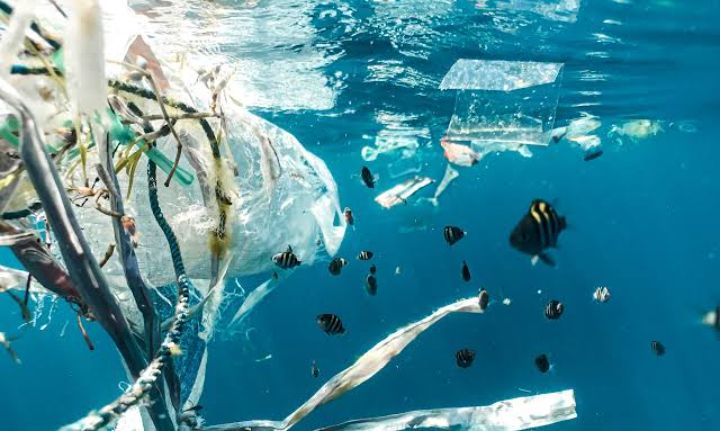
4. Marine Animals Mistake Plastic for Food Another reason plastic pollution is deadly is that many forms of marine life cannot distinguish plastic from real food. Sea turtles often mistake plastic bags for jellyfish. Seabirds feed brightly colored bottle caps to their chicks. Fish swallow microplastics thinking they are plankton.Once ingested, plastic causes a range of health problems:Internal injuriesBlocked digestive systemsStarvation (because plastic fills the stomach with no nutrients)Poisoning from chemicals in or on the plasticThese effects weaken marine organisms, reducing their ability to grow, reproduce, or survive predators.
5. Toxic Chemicals Associated With Plastics Plastics are manufactured with harmful chemicals such as BPA, phthalates, flame retardants, and colorants. When plastics degrade in seawater, these chemicals leach out. Marine animals that ingest plastic also ingest these toxins, which can interfere with their hormones, immune systems, and reproductive functions.Even more concerning, plastics act like sponges—they absorb other pollutants from the ocean such as heavy metals and oil residues. When marine animals consume these contaminated plastics, the toxins move up the food chain, eventually reaching humans through seafood consumption.
6. Entanglement Remains a Major Threat Many large marine species, including whales, seals, dolphins, and turtles, suffer from entanglement in plastic waste. Abandoned fishing nets—known as “ghost nets”—are the worst offenders. These nets drift through oceans for years, trapping and killing marine animals.Entanglement leads to:Restricted movementDrowningSevere injuriesInfectionsInability to hunt or escape predatorsEven small plastic rings or ropes can cut into animals’ skin, causing slow and painful deaths. Because plastics are strong and flexible, once an animal becomes trapped, escape is often impossible.
7. Deep-Sea and Remote Areas Are Not SafeOne of the most alarming discoveries in recent years is the presence of plastic waste in remote and deep-sea environments previously thought to be untouched by humans. Scientists have found plastic fibers in Arctic ice, plastic bags in the Mariana Trench, and microplastics in isolated islands.This shows that the ocean has no “safe zone.” Ocean currents and wind carry plastic particles across the planet, making the problem global—no country is isolated from the effects.
8. Slow Global Response While many nations have pledged to reduce plastic use and improve waste management, progress has been slow. Policies take years to implement, and enforcement is often weak. Plastic-producing industries influence decisions, and alternative eco-friendly materials remain expensive or unavailable in many areas.Public behavior also changes slowly. Littering, excessive consumption, and dependence on cheap plastic products continue to drive pollution. Without faster and stronger actions, marine life remains at high risk.
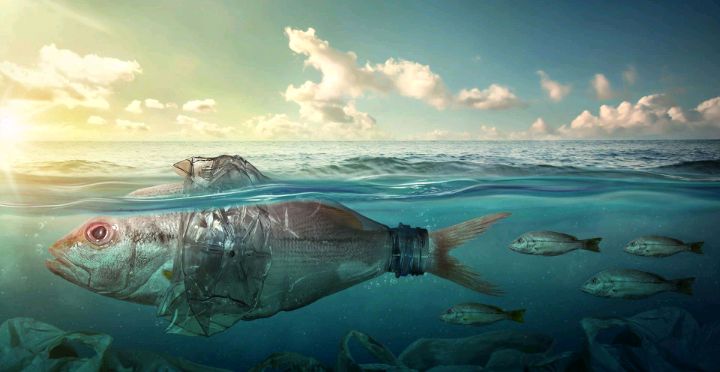
9. Micro plastics Enter the Food Chain A major long-term threat is the bioaccumulation of micro plastics. Tiny plastic particles move from plankton → small fish → bigger fish → mammals → humans. This means the health effects extend beyond marine life into human populations.Microplastics have been found in:Fish guts Mussels Sea salt Drinking water Human blood and organs (according to recent studies)This shows that plastic pollution is not just an environmental problem—it is a serious health problem as well.
10. Climate Change Makes the Situation Worse Climate change and plastic pollution are interconnected. Rising ocean temperatures and changing currents affect how plastics spread and break down. Storms and floods wash even more waste into the sea. Meanwhile, plastic production contributes to greenhouse gas emissions.These combined effects weaken marine ecosystems, making species less resilient to other pressures such as overfishing and habitat loss.
Conclusion.
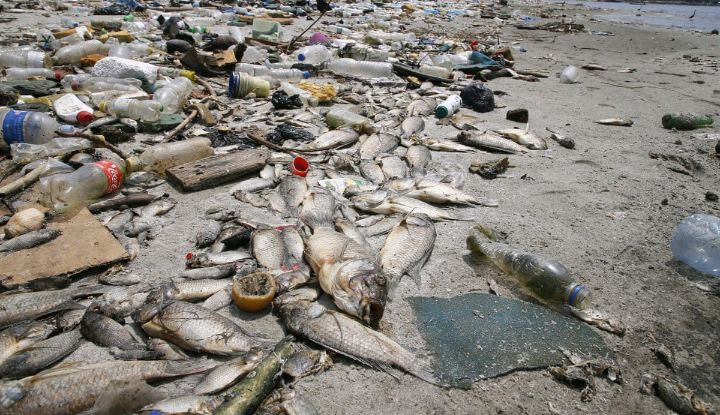
Plastic pollution continues to threaten marine life because production remains high, waste management is poor, plastics persist for centuries, and harmful behaviors and policies change too slowly. Marine animals face daily dangers from ingestion, entanglement, toxic exposure, and habitat contamination.Protecting our oceans requires:Reducing single-use plastics Strengthening waste management systems Supporting global policies and bans Encouraging eco-friendly alternatives Educating communities about responsible disposal the world does not act decisively, plastic will remain one of the greatest threats to marine ecosystems and the human future connected to them
About The Author