



The digital divide remains one of the most pressing development challenges in Africa, where millions of people—especially in rural communities—still lack reliable internet access, affordable devices, and the digital skills needed to thrive in a connected world. This divide not only limits access to education and healthcare but also reinforces socio-economic inequalities, excluding rural populations from the benefits of the continent’s fast-growing digital economy.
Yet across Africa, a wave of affordable, context-specific innovations is demonstrating how technology can become a tool of inclusion rather than exclusion—bringing opportunities for learning, enterprise, and empowerment to even the most remote areas.

Challenges in Rural Digital Access
Despite Africa’s rapid urban digital growth, rural regions lag significantly behind. According to the International Telecommunication Union (ITU), more than 60% of Africa’s rural population remains offline, compared to less than 20% in urban centers. The barriers are multifaceted:
- Infrastructure gaps: Unreliable electricity, poor broadband penetration, and limited cellular networks make it difficult to deploy digital services outside cities.
- Affordability constraints: The high cost of devices and mobile data—often among the most expensive in the world relative to income—prevents many households from connecting to the internet.
- Low digital literacy: In many areas, digital awareness and skills are limited, reducing the capacity to use technology for education, healthcare, or business.
These challenges create a cycle of digital exclusion, preventing rural communities from accessing the information, markets, and services that underpin inclusive growth. Without targeted intervention, the digital divide risks widening existing inequalities between urban and rural populations.
Innovative Solutions: Affordable, Localized, and Scalable

- Solar-powered digital hubs: Community-based centers powered by renewable energy provide Wi-Fi, computers, and training in off-grid regions. Initiatives like VillagePhone and SolarKiosk enable communication, mobile banking, and digital education while supporting sustainability. These hubs often double as business incubation centers, helping rural youth explore entrepreneurship opportunities.
- Affordable devices and connectivity: Startups like Pawa IT and BRCK (Kenya) have introduced low-cost tablets, routers, and mobile services tailored to rural users. M-Pesa’s mobile money innovation, meanwhile, transformed how millions conduct financial transactions, empowering rural populations with safe and accessible digital finance tools.
- Leveraging basic technology: Many successful projects use SMS and USSD-based platforms, which work on basic phones without internet access. Services such as Farmerline (Ghana) and iCow (Kenya) deliver agricultural tips, weather alerts, and market prices, enabling farmers to make informed decisions. Similar platforms provide maternal health advice and educational resources, expanding impact beyond literacy barriers.
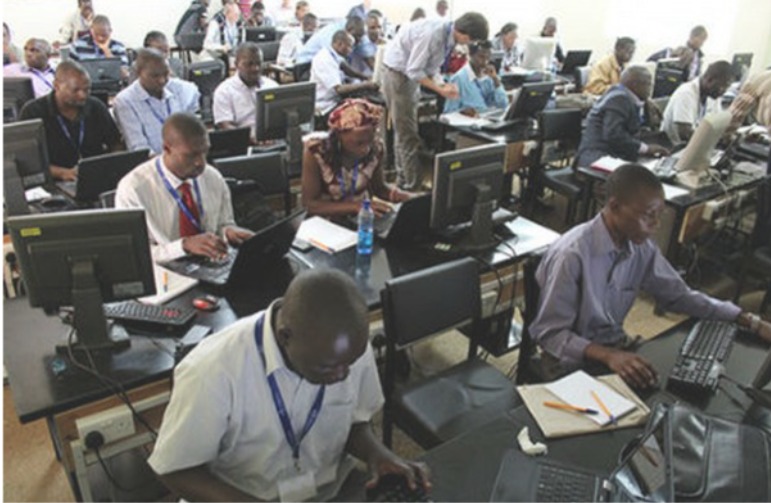
- Community-driven digital literacy: Programs like Digital Ambassadors Tanzania and mobile learning hubs across Kenya and Rwanda train local residents to become digital trainers. These “ambassadors” demystify technology through peer-to-peer learning, increasing confidence and adoption rates—particularly among women and youth.
Each of these initiatives exemplifies a “human-centered” innovation philosophy, ensuring that technology meets real community needs rather than imposing foreign models of development.
Impact and Future Directions
The impact of these affordable innovations is becoming increasingly evident across the continent. Farmers now receive real-time weather and market data, improving yields and income stability. Rural health clinics use telemedicine platforms to connect with urban doctors, reducing travel time and saving lives. Children in off-grid villages access digital classrooms powered by solar energy, bridging educational inequalities.
For example, in Rwanda, Zipline’s drone deliveries of medical supplies to rural health centers have cut emergency response times by up to 80%. In Nigeria, MTN’s “Y’ello Digital Hubs” have trained thousands of youth in digital skills, preparing them for the future of work. These successes show that even modest technological interventions can yield transformative results when rooted in local needs and partnerships.
However, scaling these solutions remains critical. Sustainable progress requires collaboration between governments, private sector players, and community organizations. Public investment in broadband infrastructure, policy incentives for local manufacturing, and community-driven digital literacy programs are essential to ensure equitable participation in Africa’s digital transformation.
About The Author