



Introduction.
For centuries, plants have been the backbone of traditional medicine across cultures. Before the rise of pharmaceuticals, communities around the world relied on herbs, roots, and natural extracts to treat various ailments. Today, herbal medicine is experiencing a remarkable resurgence, even in the age of advanced medical technologies and synthetic drugs. This renewed interest is driven by a growing awareness of the potential benefits of natural remedies, the rising cost of modern healthcare, and a shift toward preventive and holistic wellness. The fusion of traditional herbal wisdom with modern scientific research is reshaping how people view and use medicine in the 21st century.
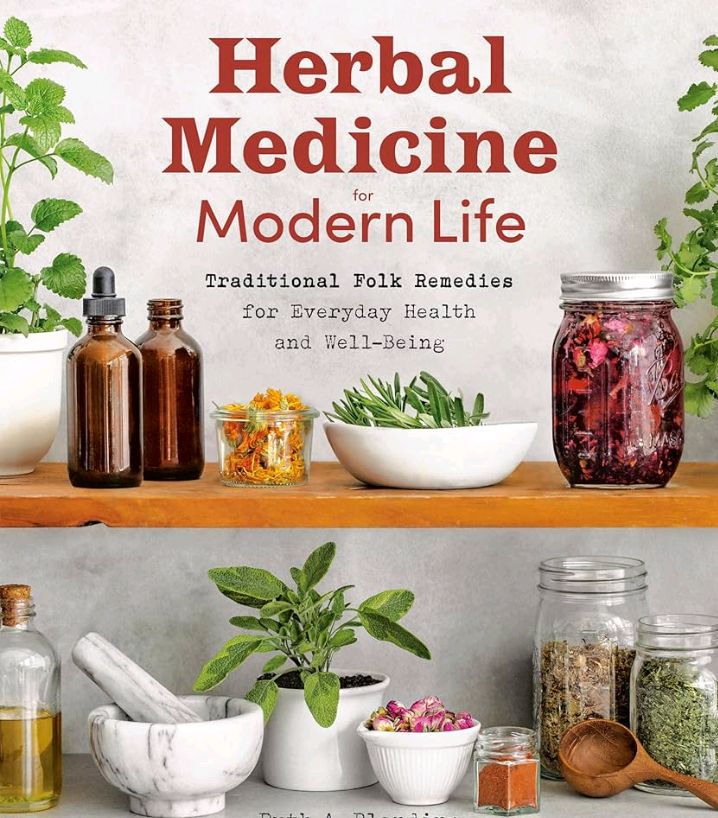
The Historical Roots of Herbal Medicine Herbal medicine dates back thousands of years and forms the foundation of many ancient medical systems. In Asia, Traditional Chinese Medicine (TCM) and Ayurveda from India have used herbal treatments for over 3,000 years. African traditional healers have long relied on plants to cure common diseases such as malaria, infections, and digestive disorders. Similarly, Native American tribes used herbs like echinacea and sage for healing wounds and strengthening immunity.
These traditional practices were largely based on observation and experience passed down through generations. What makes herbal medicine so enduring is its adaptability — it evolved as humans discovered new plants and new ways to prepare them. Many modern drugs, such as aspirin (derived from willow bark) and quinine (from the cinchona tree), have roots in traditional herbal knowledge.
Modern Interest in Herbal Medicine In recent decades, the popularity of herbal medicine has risen sharply across the world. People are increasingly turning to herbal remedies as an alternative or complement to conventional medicine. The World Health Organization (WHO) estimates that nearly 80% of the world’s population still relies on traditional herbal treatments for some part of their healthcare needs.Several factors have contributed to this renewed interest. First, the rising cost of prescription drugs has pushed many people to seek affordable, natural options.

Second, consumers are becoming more conscious about what they put in their bodies, preferring plant-based and organic products over synthetic ones. Third, there is growing concern about the side effects associated with long-term use of chemical drugs, leading many to explore gentler herbal options.Herbal medicine is no longer limited to rural areas or traditional healers. Pharmacies and health stores now stock herbal teas, capsules, and extracts for everything from stress relief to boosting immunity. In addition, digital platforms have made information about herbs widely available, empowering individuals to make informed health choices.
Scientific Research and Integration with Modern Medicine One of the most significant developments in recent years is the integration of herbal medicine into mainstream healthcare. Scientists are increasingly studying the pharmacological properties of herbs to understand their active compounds and how they interact with the human body. Research has shown that certain herbs, such as turmeric, ginger, and garlic, have potent anti-inflammatory and antioxidant properties.Hospitals and clinics in several countries now use herbal supplements alongside conventional treatments. For example, in China and India, herbal medicines are part of formal healthcare systems, while in Europe and North America, integrative medicine clinics offer both herbal and pharmaceutical options.
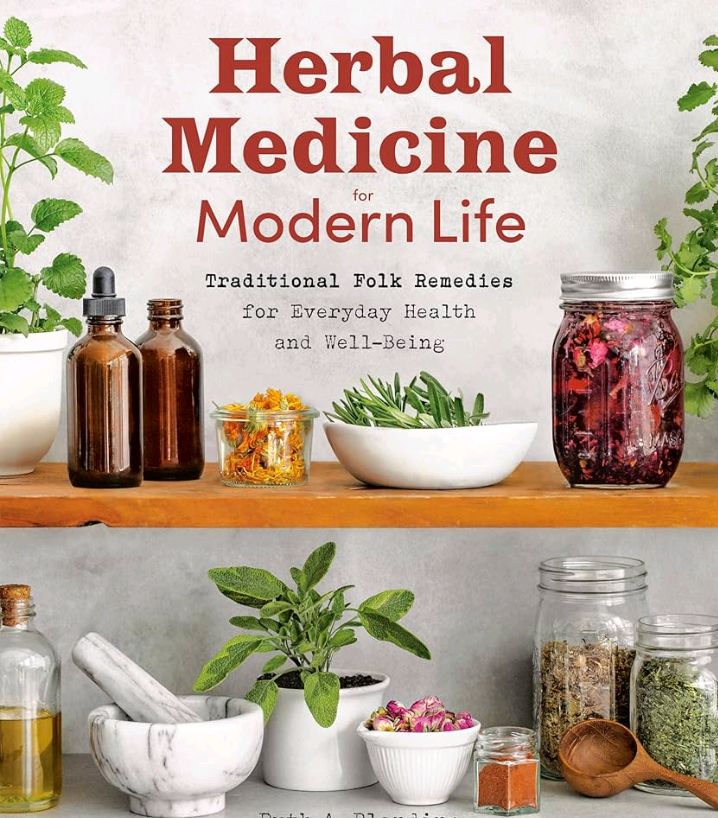
The aim is not to replace modern medicine, but to enhance it through safe and evidence-based use of natural products.Pharmaceutical companies have also entered the herbal market, developing standardized herbal formulations and conducting clinical trials. This scientific approach helps ensure quality, safety, and dosage consistency, addressing one of the major criticisms of traditional herbal remedies — lack of regulation.
Challenges Facing Herbal Medicine Despite its popularity, herbal medicine faces several challenges that limit its full integration into modern healthcare. The most pressing issue is standardization and regulation. Unlike pharmaceutical drugs, many herbal products are sold without clear dosage instructions or clinical testing, leading to variations in potency and effectiveness. Adulteration and contamination are also concerns, especially when herbs are sourced from unregulated markets.Another challenge is the limited scientific evidence for some traditional remedies. While many herbs have proven benefits, others lack sufficient research to confirm their safety or efficacy.
Moreover, the interaction between herbs and prescription drugs is an area that requires careful monitoring to avoid adverse effects.Education is also crucial. Many people assume that “natural” means “safe,” but excessive or improper use of herbal medicines can lead to toxicity or interfere with medical treatments. Healthcare providers need proper training to advise patients on the responsible use of herbal products.
The Future of Herbal Medicine The future of herbal medicine looks promising as modern science continues to validate ancient knowledge. Advances in biotechnology, chemistry, and pharmacology are enabling researchers to isolate active compounds in plants and understand how they work at the molecular level. This opens the door to new drug discoveries and improved herbal formulations.Additionally, the global movement toward preventive healthcare is increasing the demand for herbal supplements that boost immunity, reduce stress, and support general wellness.
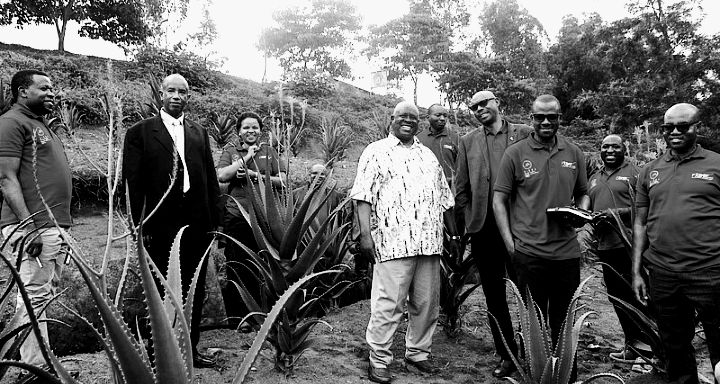
As sustainability becomes a global concern, the cultivation and preservation of medicinal plants are also gaining attention. Governments and organizations are promoting the conservation of endangered herbal species and the ethical sourcing of raw materials.Ultimately, the integration of herbal medicine into modern healthcare represents a balanced approach — combining the wisdom of the past with the science of the present. It encourages patients and practitioners alike to view health as a harmony between body, mind, and environment.
conclusion
Rise of herbal medicine in modern healthcare is not a rejection of science but a rediscovery of nature’s potential in healing. As more people seek holistic and sustainable approaches to wellness, herbal medicine continues to bridge the gap between traditional healing and modern medicine. With proper regulation, scientific validation, and education, herbal remedies can safely complement conventional treatments — helping to build a more inclusive, affordable, and natural healthcare future for all.
About The Author