



Education is one of the most powerful tools we have to honour the past and shape a just future. For the Windrush Generation — the men and women who journeyed from the Caribbean to Britain with hope, resilience, and determination — their legacy is far too important to be forgotten. Their story is not just one of migration; it is a story of building, belonging, and becoming. It is the story of Britain itself.
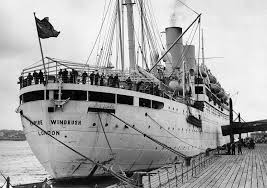
Yet for decades, the experiences of the Windrush Generation were overlooked or erased from mainstream education. Many grew up in classrooms that never mentioned the contributions of Caribbean workers who helped rebuild post-war Britain, staffed the NHS, drove the buses, and taught in the schools. Their children and grandchildren often had to piece together their own history from family stories whispered around the dinner table.
That silence had consequences. It allowed ignorance and prejudice to take root, paving the way for the Windrush Scandal — a national betrayal that saw British citizens detained, deported, and denied their rights. Without education, a nation can lose sight of its shared humanity.
Teaching the Windrush story is therefore not just about history — it is about justice. It is about truth-telling. It is about ensuring that every child in Britain understands the value of diversity, the pain of discrimination, and the courage it takes to stand tall when the world turns its back.
Schools, community centres, and cultural institutions have a crucial role to play. Lessons about Windrush should not be confined to a single day of commemoration; they should be woven into the fabric of the national curriculum — in history, literature, art, and citizenship. Students should learn about Sam King, who became the first black mayor of Southwark, or the nurses who transformed the NHS, or the musicians who gave Britain the sound of reggae and soul.

Education helps us see beyond stereotypes and statistics — it humanises. When young people learn about the struggles and triumphs of the Windrush Generation, they learn empathy, resilience, and pride. They come to understand that Britain’s strength lies in its diversity, and that every voice matters in the story of the nation.
To preserve the Windrush legacy, we must make education an act of remembrance and resistance. Teachers, parents, and community leaders must work together to keep these stories alive — through oral histories, art projects, documentaries, and classroom discussions that celebrate identity and belonging.
The Windrush Generation gave their best years to build a country that didn’t always welcome them. The least we can do is ensure their sacrifices are remembered and their children’s children grow up knowing they are part of something extraordinary.
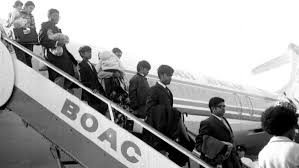
Because when we teach the Windrush story, we are not just recounting the past — we are shaping the conscience of the future.
About The Author