



They came to rebuild Britain. After the Second World War, when the nation lay in ruins and labor was scarce, hundreds of Caribbean men and women answered Britain’s call for help. In 1948, the Empire Windrush docked at Tilbury, carrying hopeful passengers ready to serve the “Mother Country.” They arrived as nurses, bus drivers, railway workers, builders, and teachers. They brought energy, faith, and resilience. They helped lay the foundations of the modern United Kingdom.

Yet decades later, that same generation would face betrayal. The Windrush Scandal exposed a deep injustice — one that shook the nation’s conscience. Thousands of Caribbean-born British residents, who had lived and worked in the UK for most of their lives, were suddenly told they were in the country illegally. They were detained, denied healthcare, lost jobs, made homeless, or even deported to islands they had not seen since childhood. Their loyalty was questioned. Their identity was erased.
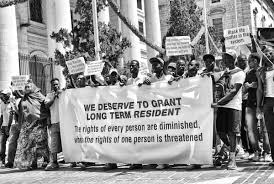
Out of this pain rose a movement: the Windrush Justice Programme, built to seek truth, justice, and reform. It is a space where remembrance meets action—where education, storytelling, and civic engagement unite to prevent such injustice from ever happening again.
The programme stands on a clear mission: to restore dignity, demand accountability, and empower communities. It exists not only to right the wrongs of the past but to protect the future of all who call Britain home. It raises awareness of the Windrush Generation’s enduring legacy and the rights they hold. It supports families still seeking justice and helps them navigate the complex systems of legal guidance, compensation, and advocacy. It encourages civic participation, calling communities to use their voices in shaping fair and transparent immigration policies. And it builds unity through remembrance, education, and dialogue — ensuring that the Windrush story continues to be told with pride rather than pain.
The scandal was not simply a bureaucratic mistake; it was a moral wound on the conscience of a nation that had forgotten its own promise. Those who were targeted were not outsiders—they were builders of Britain’s story. They paid taxes, raised families, cared for the sick, and contributed to the growth of a country that suddenly refused to acknowledge them.
The Windrush Justice Programme insists that their pain must not be forgotten. Their stories are testimonies of courage and resilience, and their fight for justice must remain a national priority. This movement calls for a Britain that is honest about its history, fair in its treatment of all citizens, and inclusive in its policies and identity.

At its heart, the programme is a call to action — a reminder that justice is not a gift but a right. Through community gatherings, intergenerational storytelling, and partnerships with advocacy groups, it invites everyone to take part in this ongoing mission. Because justice delayed should not mean justice denied — not when people come together to stand for what is right.
The Windrush Generation gave their hands to build Britain. Now, through the Windrush Justice Programme, we lend our voices to honour their legacy, restore their dignity, and ensure that such injustice never happens again. Together, we remember their struggle, celebrate their strength, and carry forward their hope — for justice, equality, and the enduring spirit of the Windrush people.
About The Author