



Introduction.
Across the world, democratic systems are undergoing rapid change—shaped by technology, shifting social values, rising inequality, and global challenges such as climate change. In the middle of all this transformation stands one powerful force: youth. Young people between the ages of 15 and 35 make up one of the largest demographic groups in many countries, especially across Africa and Asia. Their perspectives, energy, and demands for better governance are redefining what democracy looks like in the 21st century. As more youth become active participants in public life, their voices increasingly influence policies, leadership styles, and national priorities.
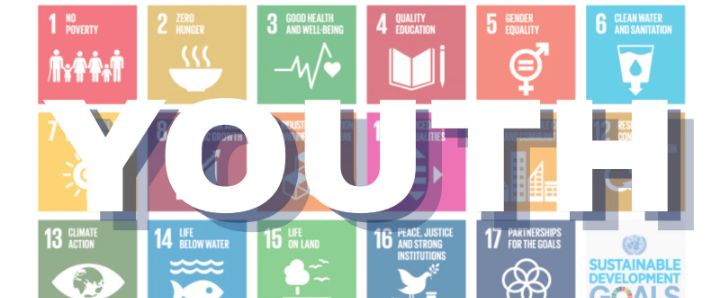
This article explores the critical roles young people play in shaping democracy today—through activism, innovation, political participation, digital engagement, and community leadership.
1. Youth as Drivers of Political Change Young people have historically been catalysts for major political shifts. Many freedom movements, reforms, and revolutions across the world were fueled by youth-led mobilization. Today, their influence continues in several ways:
a. Challenging the Status Quo Youth are often the first to question oppressive systems, unfair policies, corruption, and lack of transparency. Their willingness to question authority helps create pressure for reforms in governance, social justice, and accountability.
b. Mobilizing Mass Action Young people excel in organizing demonstrations, peaceful protests, and campaigns. Their numbers give them power, and their creativity in communication makes their movements visible. Examples can be seen in youth-driven climate strikes, online campaigns against police brutality, and civic movements demanding fair elections.
c. Demanding Representation Modern youth refuse to be passive observers. They are demanding seats at decision-making tables—from local assemblies to national parliaments. The push for inclusive leadership is reshaping political landscapes and forcing governments to accommodate youth priorities.
2. Youth Participation Through Elections and Leadership Democracy thrives when citizens participate in choosing leaders and holding them accountable. Young people play several roles here:
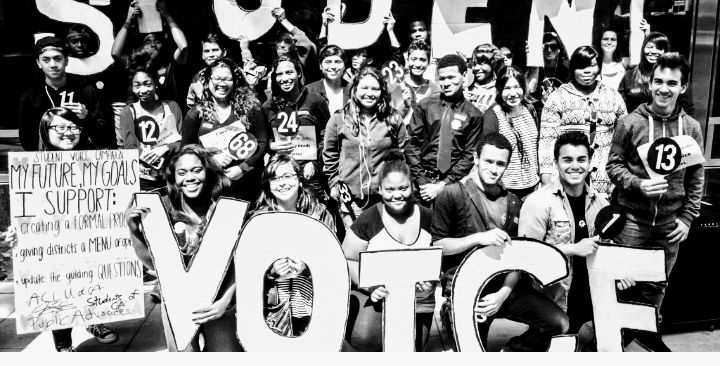
a. Voting Power In many countries, youth constitute more than half of registered voters. Their choices directly influence election results. When youth vote actively, they can shift political outcomes and strengthen democratic legitimacy.
b. Running for Office A growing number of young people are contesting political seats. Their presence brings fresh ideas, modern leadership styles, and closer connections with grassroots communities. They also represent issues such as unemployment, mental health, climate change, and digital rights—topics sometimes ignored by older politicians.
c. Promoting Transparency and Accountability Through civic groups and community networks, youth monitor elections, demand fair processes, and expose corruption. Their role in watchdog organizations, student unions, and accountability movements strengthens democratic institutions.
3. Digital Activism and the Power of Technology The digital world has transformed how democracy functions, and youth are the primary drivers of this transformation.
a. Online Campaigns and Mobilization Young people use social media to raise awareness, gather supporters, and pressure leaders. A hashtag can spread across the world in minutes and force governments to respond to public issues.
b. Breaking Information Barriers Youth use smartphones and online platforms to share news, challenge misinformation, and promote civic education. They create podcasts, blogs, TikTok videos, and reels that simplify political content, making democracy easier to understand for all citizens.
c. Holding Leaders Accountable Social media has reduced the space for impunity. Young people capture injustices, report incidents of corruption, and call out poor governance, pushing leaders to be more transparent.d. Innovation in Governance Youth are also building apps that help citizens access public services, report complaints, or follow government budgets. Digital solutions created by young innovators help improve service delivery and strengthen democratic participation.
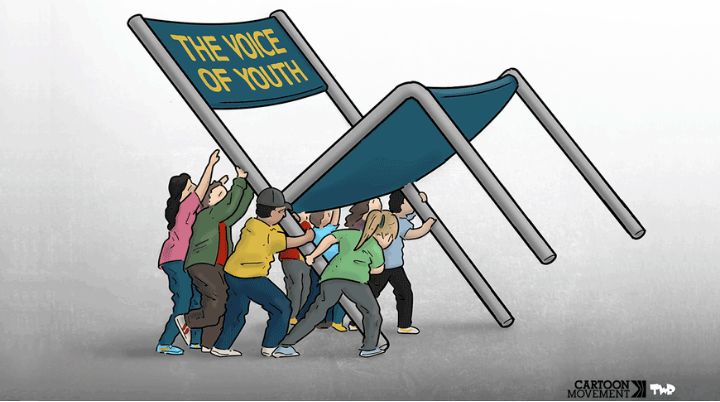
4. Youth Shaping Democratic Values Democracy is not just about elections—it is about values such as equality, justice, and human rights. Young people play a crucial role in shaping these values.a. Promoting Inclusivity Youth advocate for gender equality, disability rights, minority protection, and equal opportunities. They challenge discriminatory practices and push for more inclusive societies.
b. Championing Freedom of Expression Young voices defend the right to speak, debate, protest, and organize. Their insistence on these freedoms keeps democracies alive.
c. Encouraging Civic Awareness t. Through school clubs, community organizations, and online platforms, youth teach others about constitutional rights, civic duties, and democratic participation.
5. Youth Leadership in Community Development Democracy begins at the community level. Young leaders play vital roles in local development:
a. Solving Local Problems Youth groups clean public spaces, organize health drives, support disaster responses, tutor younger students, and create platforms for community dialogue. These actions strengthen local democracy and empower citizens.
b. Entrepreneurship and Economic Participation Youth-led businesses create jobs, stimulate economic activity, and support local development. Economic empowerment reduces frustration and gives young people a stake in democratic stability.
c. Volunteerism and Service Volunteerism builds cooperation, unity, and social trust—key pillars of democratic society. Young volunteers make essential contributions during emergencies and community projects.
6. Barriers Limiting Youth Participation Despite their potential, young people face several challenges:Limited access to political positions Underrepresentation in government.Unemployment and economic hardship Lack of civic education Stereotypes that label youth as “inexperienced”Digital divide in rural areas Overcoming these challenges requires strategic policies, mentorship, investment in youth programs, and inclusive political systems.
Conclusion.
Youth are not just the future of democracy—they are its present. Their voices, actions, and innovations have become essential to democratic growth and resilience. Whether through activism, digital engagement, entrepreneurship, or leadership, young people are reshaping how democracy works and what citizens expect from their leaders.A vibrant democracy depends on empowered, informed, and active youth. When societies listen to young voices, they unlock creativity, accountability, and long-term stability. The more young people participate, the stronger and more responsive democratic systems become.
About The Author