


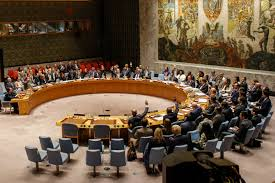
The post-pandemic era has revealed a global landscape marked by deepening divisions, rising nationalism, and a growing distrust among nations. From geopolitical tensions in Eastern Europe and Asia to broken trade alliances and environmental inaction, diplomacy is under immense strain. The traditional institutions that once upheld global cooperation—the United Nations, World Trade Organization, and others—are struggling to remain relevant in a world where power is increasingly multipolar and fragmented.
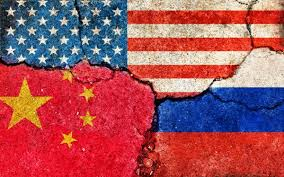
At the heart of this crisis lies a breakdown of trust. Nations are prioritizing short-term national interests over long-term global stability, often turning to unilateral decisions rather than collaborative solutions. This erosion of multilateralism has led to diplomatic gridlock, where conflicts simmer without resolution and global challenges like climate change, migration, and pandemics remain inadequately addressed. The lack of reliable, open dialogue channels between rival powers further compounds the risks, increasing the chances of miscalculation and conflict.
Rebuilding trust in such a fractured environment requires a reimagining of diplomacy. It must go beyond formal statecraft and embrace inclusive, people-centered approaches that consider civil society, youth, and marginalized voices. Digital diplomacy and soft power initiatives, such as cultural exchange and climate partnerships, could play a key role in reshaping narratives and opening back channels for engagement. Equally important is transparency—nations must be willing to recommit to shared norms, honor international agreements, and be held accountable when they fall short.
Ultimately, global stability depends on restoring credibility and communication between actors on the world stage. While the challenges are significant, the alternative—a world of isolated blocs, constant tension, and zero-sum politics—is far more dangerous. In this moment of crisis, diplomacy must not only survive but evolve. Only through renewed cooperation and mutual understanding can a fragmented world begin to heal and move toward a more secure, just, and unified future.
About The Author