

Introduction.
In today’s rapidly changing world, digital literacy has become more than just an added advantage—it is now a necessity. As technology continues to shape modern workplaces, individuals who understand how to navigate digital tools, online platforms, and emerging technologies gain a significant edge in the job market. Whether you are a student, a job seeker, or an experienced professional, digital literacy opens the door to more opportunities, higher earnings, and career growth. This article explores why digital literacy has become the new key to job opportunities and how individuals can build these skills to remain competitive.
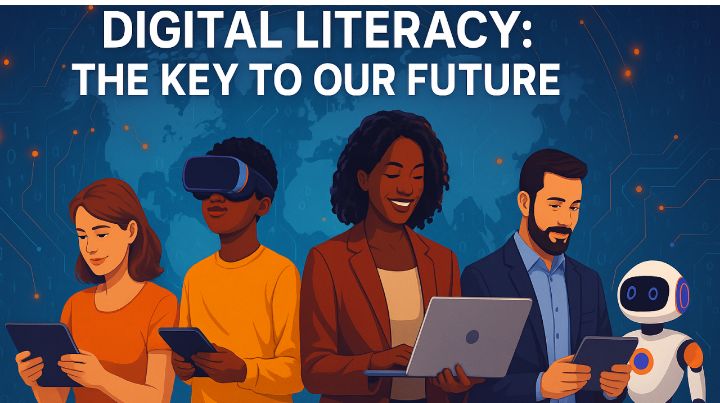
1: Understanding Digital Literacy in the Modern Workplace Digital literacy refers to the ability to use digital tools and technologies effectively. It goes beyond basic computer skills—it includes understanding how to use smartphones, laptops, apps, online platforms, and even artificial intelligence systems to communicate, learn, and solve problems.
1. The Evolution of Jobs in the Digital Age Over the past decade, workplaces across the world have embraced technology to boost productivity. Many tasks that were once manual are now digital. This includes:Online communication instead of physical memos Digital record-keeping instead of paper files Virtual meetings instead of in-person gatherings Online marketing instead of traditional advertising As companies adopt these tools, they expect employees to be comfortable using them. Digital literacy has therefore become a basic requirement for most professions—from banking and sales to healthcare and education.
2. Digital Literacy as a Foundational Skill Just like reading and writing, digital literacy is now considered a fundamental skill. It supports:CommunicationCreativityCritical thinking Problem-solving These skills help workers perform better, adapt to new tasks faster, and remain productive in a world that is constantly evolving. Employers prefer candidates who can quickly learn new systems or software without intensive training.

3. Accessibility of Digital Tools Today, smartphones and internet access have become more common across urban and rural areas. This means that digital learning is now more accessible than ever. Free online courses, e-learning apps, and social media tutorials have made it easier for anyone to acquire digital skills, regardless of background or education level.
2: How Digital Literacy Drives Job Opportunities Digital literacy opens the door to a wide range of job opportunities. In many sectors, digital skills are now the main differentiator between qualified and unqualified candidates.
1. Increased Employability Many employers now require applicants to demonstrate:Basic computer skills Ability to use email and online communication tools Knowledge of office software Ability to search for information online Familiarity with smartphones and digital communication Job applications themselves have also moved online, requiring digital literacy simply to apply for available positions.
2. New Digital Job Roles The rise of technology has created entirely new careers that did not exist before. These include:Social media management Data entry and analytics Online marketing Digital customer service Virtual assistance E-commerce operations Content creation Cybersecurity These roles often require digital skills more than formal degrees, making them accessible to young people and those with limited academic qualifications.
3. Flexibility and Remote Work The growth of remote work has increased opportunities for people across different regions. With digital literacy, workers can access:Remote jobs Freelancing gigs Online internships Digital entrepreneurship opportunities Remote work removes geographic barriers, allowing individuals to work for global companies without relocating.
4. Digital Literacy Boosts Productivity Employees with strong digital skills complete tasks faster and more efficiently. They can:Manage time better using digital tools Automate repetitive tasks Communicate effectively with teams Solve problems using online resources This makes them valuable assets to employers and increases their chances of promotions and salary increases.
3: Building Digital Literacy for Better Opportunities The good news is that digital literacy can be developed at any age. Even people with minimal experience can grow their skills with consistent practice.
1. Start With Basic Skills Begin with simple tasks such as:TypingUsing email Browsing the internet Managing files and folders Learning basic smartphone skills These are essential for all modern jobs.
2. Learn Common Workplace Tools Most companies use tools such as:Microsoft Office (Word, Excel, PowerPoint)Google Workspace Zoom or Google Meet WhatsApp for business communication Basic accounting apps Social media platforms Being comfortable with these tools greatly increases your chances of employment.
3. Explore Free Online Learning Platforms Websites and apps such as:CourseraYouTube tutorials LinkedIn Learning Google Digital Skills for Africa Microsoft Learn These platforms offer free or affordable courses in digital literacy, coding, marketing, and more.
4. Practice Regularly Digital skills improve with consistent use. Practicing daily helps build confidence and makes it easier to adapt to new tools.5. Encourage Community Learning Schools, youth groups, and community centers can help others gain digital skills. Teaching and learning together strengthens the entire community and increases access to job opportunities.

Conclusion.
Digital literacy is no longer optional—it is the new gateway to job opportunities worldwide. As the digital economy continues to expand, individuals who embrace technology gain a strong advantage. Whether you want a better job, a promotion, or a remote career, digital skills empower you to compete and thrive. The future belongs to those who can adapt, learn, and grow with technology, and digital literacy is the key to unlocking that future.
About The Author