



In an era where nearly everyone is just a click or tap away, it would seem logical to assume that people are more connected than ever before. Social media platforms promise instant communication, global access, and the ability to maintain countless relationships simultaneously. Yet beneath this glossy veneer of hyper-connectivity lies a growing epidemic of loneliness. More people—especially younger generations—report feeling isolated, anxious, and emotionally unfulfilled, despite being constantly online. This paradox of digital loneliness reveals a troubling disconnect between virtual interaction and real human connection.
One of the central issues is that social media often promotes surface-level interaction rather than deep, meaningful relationships. Likes, shares, and brief comments can simulate social engagement but rarely provide the emotional depth of face-to-face conversations. People curate idealized versions of their lives online, which can lead others to feel inadequate or excluded. This constant exposure to filtered realities fosters comparison and envy, rather than genuine connection, exacerbating feelings of loneliness even when surrounded by digital “friends.”
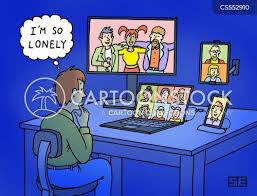
Moreover, the design of social media itself can encourage compulsive use without emotional fulfillment. Algorithms prioritize content that keeps users scrolling, not content that fosters well-being or connection. As a result, many users spend hours online without experiencing any meaningful interaction. This digital saturation can crowd out opportunities for real-life engagement, leading to a cycle where individuals turn to social media to alleviate loneliness, only to feel more isolated in the end.

Digital loneliness isn’t just a psychological concern—it has real consequences for mental and physical health. Studies link chronic loneliness to higher rates of depression, anxiety, sleep disorders, and even cardiovascular problems. For younger people, growing up in a world dominated by digital communication can impair the development of interpersonal skills, making it harder to form authentic relationships offline. At the same time, older generations who are less fluent with digital platforms may feel left behind or even more isolated.

To combat digital loneliness, both individual and systemic changes are needed. On a personal level, people can benefit from setting intentional boundaries with social media and prioritizing face-to-face interactions. Tech companies have a role to play as well, by designing platforms that promote well-being over engagement metrics. Schools and communities can also encourage digital literacy that emphasizes emotional intelligence and healthy communication habits. Ultimately, recognizing that true connection requires more than a Wi-Fi signal is the first step toward bridging the gap between digital presence and genuine human intimacy.
About The Author