


In today’s digital era, where everything from essential services to healthcare and banking has shifted online, staggering statistics from government sources reveal a stark reality. A significant portion of the UK population, comprising 1.7 million households have no mobile or broadband access, and 2.4 million lacking basic computer skills, all left behind in today’s digital age. alarmingly, over 5 million employed adults struggle with essential computer tasks, leading to profound implications beyond mere statistics.

Among the most profoundly affected are the elderly, who grapple with advanced age or insufficient digital knowledge, hindering their access to critical services. Traditional reliance on paper-based or face-to-face interactions for their needs has become increasingly obsolete in a world rapidly transitioning to online platforms. Pensioners, once accustomed to more traditional avenues, now face immense challenges navigating essential services such as healthcare, shopping, and banking, which have transitioned predominantly online.

Take, for instance, the shift towards online GP bookings and consultations. While these innovations offer convenience for many, they pose significant hurdles for those lacking digital literacy. GPs increasingly allocate most of their appointment slots for online bookings, leaving minimal availability for individuals seeking in-person appointments. Those unfamiliar with digital platforms are left stranded, forced to navigate complicated systems, or endure prolonged waiting times, often with no alternative access to these vital services.
While encouraging online usage is commendable, the exclusion of individuals without digital skills perpetuates an unfair divide. The most disheartening aspect is that those lacking digital literacy are left with no viable alternatives to access these crucial services, exacerbating social inequalities, and isolating the vulnerable population.
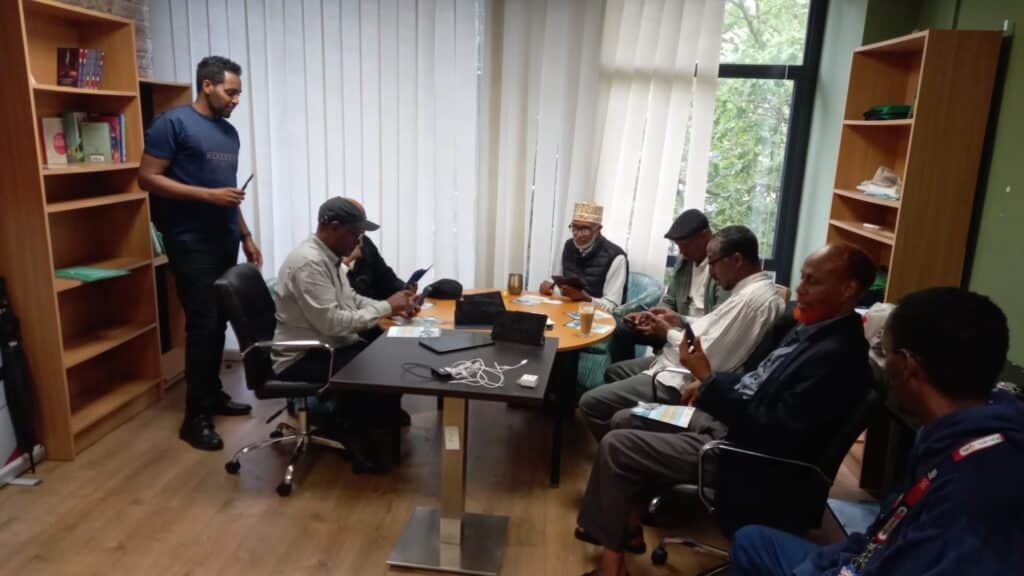
As our society continues its rapid digital transformation, it is imperative to address the digital divide and ensure inclusivity for all. Efforts to bridge this gap must prioritize empowering individuals with digital skills while ensuring equitable access to essential services, safeguarding the rights and wellbeing of every member of our community.
About The Author