



The saying “you are what you eat” goes beyond physical health—it deeply connects to how we feel and think. The food we consume directly influences our brain chemistry, energy levels, and emotional stability. A balanced diet rich in nutrients supports the production of neurotransmitters like serotonin and dopamine, which regulate mood and happiness. When we eat nourishing foods, our minds become sharper, our emotions steadier, and our overall outlook on life more positive.

Poor eating habits, on the other hand, can disrupt this delicate balance. Diets high in sugar, caffeine, and processed foods may cause spikes and crashes in blood sugar levels, leading to irritability, fatigue, and mood swings. Over time, such habits can even contribute to anxiety and depression. Skipping meals or relying on junk food might provide temporary satisfaction, but it deprives the brain of essential nutrients needed for emotional balance and focus. This shows that what we eat has a powerful and lasting effect on our mental well-being.
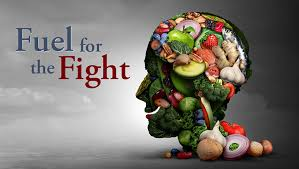
For young people, learning to make mindful food choices is a form of self-empowerment. Including foods like leafy greens, whole grains, lean proteins, and fruits in daily meals can boost concentration, motivation, and resilience to stress. Drinking enough water and getting sufficient rest also enhance mood and brain function. By being intentional about what they eat, youth can take control of their emotions and nurture a positive mindset.

Ultimately, food is not just fuel—it is medicine for the mind. Developing a healthy relationship with food encourages emotional balance and long-term mental strength. When we choose nutritious meals, we’re not only feeding our bodies but also nourishing our happiness, confidence, and peace of mind. Understanding the link between food and mood is the first step toward living a more joyful and emotionally healthy life.
About The Author