


In the vibrant mosaic of the United Kingdom’s multicultural landscape, the African diaspora stands out as a dynamic and growing force. Spanning generations, languages, cultures, and experiences, UK African diaspora communities have developed unique strategies to foster resilience, identity, and success. Among the most powerful of these strategies is intergenerational mentorship — a bridge between lived wisdom and emerging aspirations that is transforming lives and strengthening communities.
Defining Intergenerational Mentorship
Intergenerational mentorship refers to structured and organic relationships where older and younger members of a community share knowledge, guidance, and support. It goes beyond traditional mentoring by embracing mutual learning: older generations transmit cultural values and historical lessons, while younger generations offer fresh perspectives and digital fluency.
A Foundation in Culture and Shared Identity
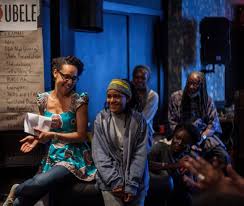
At the heart of intergenerational mentorship within African diasporas is a deep commitment to cultural continuity. For many families and community networks from Ghana, Nigeria, Somalia, Kenya, and beyond, storytelling, proverbs, and family histories serve as vehicles for transmitting identity. In mentoring relationships, elders share narratives of migration, struggle, and achievement — anchoring younger people in cultural heritage while validating their ambitions.
This sense of identity is not merely symbolic; it provides psychological grounding. Studies suggest that strong cultural identity correlates with higher self-esteem and better academic outcomes among young people from ethnic minority backgrounds. In this way, mentorship becomes a tool for confidence-building as much as skill-building.
Bridging Gaps: From Informal Guidance to Structured Support
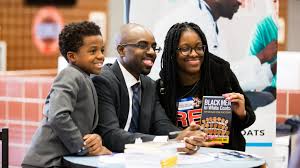
While many mentoring relationships begin within families, the impact of intergenerational mentorship has expanded through community organisations, schools, and professional networks. Initiatives like Diaspora Connect, African Heritage Community Trust, and student societies at universities across the UK are formalising mentorship programmes that pair established professionals with students and early-career talent.
These programmes address gaps in access and opportunity. African diaspora youth often report feeling underrepresented or misunderstood in career settings. Mentors with shared cultural backgrounds offer not just career advice but advocacy, helping mentees to navigate recruitment systems, workplace dynamics, and professional networks that may otherwise feel opaque.
Catalysing Economic and Social Empowerment
The impact of intergenerational mentorship is visible in multiple domains:
Education: Mentors guide young people through university applications, scholarship opportunities, and academic decision-making, thereby increasing participation and success in higher education.
Entrepreneurship: Established diaspora entrepreneurs play a key role in opening doors for young business founders by providing seed advice, introductions to networks, and practical guidance on scaling ventures.
Leadership Development: By nurturing confidence and civic engagement, mentorship programmes are producing a new generation of leaders in politics, civil society, arts, and business.
This cross-generational support fosters not only individual advancement but whole-community uplift. When young people thrive in education and careers, they contribute skills, creativity, and economic power back into their communities.
Celebrating Shared Success and Resilience
Importantly, intergenerational mentorship honours the history of resilience that defines many UK African diaspora experiences. Older generations who migrated — navigating systemic challenges and cultural displacement — embody stories of adaptability and endurance. Sharing these experiences with younger generations builds a shared narrative of strength that counters stereotypes and fosters collective pride.
Young mentees, in turn, inspire elders by demonstrating adaptability in the digital age and by pushing boundaries in creative fields. The result is a reciprocal exchange, where each generation’s strengths enrich the other.
Challenges and the Path Forward
While momentum is growing, barriers remain. Mentorship programmes need sustained funding, institutional support, and broader recognition. Furthermore, ensuring access for young people in inner-city areas or outside major cities is vital to equity.
Partnerships between diaspora organisations, educational institutions, and funders can scale successful models. Embedding mentorship within schools and workplaces creates structures that ensure relationships continue beyond informal family networks.

Conclusion: A Legacy of Connection
Intergenerational mentorship within UK African diaspora communities is more than a support system — it is a legacy of connection that transforms lives. By bridging generations, communities are cultivating confidence, opportunity, and social cohesion. In the process, they are not simply surviving in a multicultural Britain; they are actively shaping its future.
About The Author