



In the heart of the East Midlands, Nottingham has emerged as a city not only known for its rich history and vibrant culture but also for its compassionate and forward-thinking responses to one of the most pressing social challenges of our time: housing for refugees and asylum seekers. Facing ongoing pressures on housing stock, rising costs, and barriers to inclusion, local communities, organisations, and grassroots leaders in Nottingham are pioneering innovative community-led housing solutions that are reshaping what welcoming and sustainable support can look like.
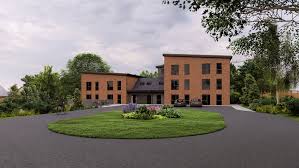
The Challenge: A Growing Need for Dignified Housing
Like many UK cities, Nottingham has seen increasing demand for safe, affordable and connected housing for newly arrived refugees and people fleeing conflict and persecution. Traditional housing and asylum accommodation systems often struggle with long waiting lists, high costs, and a lack of culturally sensitive support. For refugees — many of whom arrive with limited financial resources and face language or employment barriers — finding secure, affordable homes is often one of the first and most urgent hurdles to rebuilding their lives.
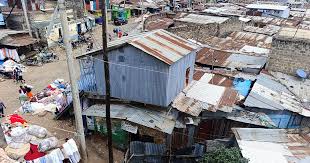
Community-Led Housing: Turning Challenges Into Collective Action
At the core of Nottingham’s response is a philosophy that goes beyond temporary shelter. Community-led housing emphasises local ownership, shared responsibility, and meaningful participation by refugees themselves. Rather than viewing refugees as passive recipients of support, this approach sees them as active partners and contributors — shaping solutions that meet real needs with dignity and respect.
Several innovative models have taken shape:
- Tenant Co-Operatives and Shared Homes
Community groups, sometimes in partnership with local not-for-profits, have established tenant co-operatives where refugees and local residents collectively manage housing spaces. In these models:
Members share responsibilities such as maintenance, budgeting, and communal decision-making.
This cultivates a sense of belonging and empowerment.
Costs are often lower than market rents, making housing more accessible.
Co-operative housing also encourages social networks that reduce isolation and enhance wellbeing — crucial factors for refugees rebuilding social ties.
- Community Sponsors and Local Hosting Networks
Inspired by national community sponsorship schemes, grassroots networks in Nottingham connect families and volunteers to offer host home arrangements for refugees. In these models:
Local hosts provide a spare room or property.
Community volunteers support integration through language learning, cultural orientation, and social connections.
This personalised form of housing combines shelter with community support, fostering genuine friendships and bridges across cultural divides.
- Repurposing Empty Properties for Social Good
Nottingham has seen creative partnerships between community organisations and local authorities to repurpose vacant properties — including disused council houses, community centres, and other unused buildings — into safe, affordable homes for refugees. These initiatives not only reduce vacancy and blight in neighbourhoods but also activate unused assets for social impact.
- Collaborative Funding and Social Investment Vehicles
To support the sustainability of community-led housing, local organisations are exploring collaborative funding models, including:
Social investment funds.
Community bonds and charitable financing.
Partnerships with ethical lenders.
These allow communities to renovate and acquire properties without overreliance on short-term grants, creating long-term housing capacity.
Beyond Shelter: Integration, Wellbeing, and Opportunities
What sets Nottingham’s approach apart is the recognition that housing is not just about roofs and walls — it’s foundational to integration, wellbeing and opportunity. Community-led housing solutions are explicitly designed to connect refugees with:
Language and skills classes.
Local employment and volunteering pathways.
Social activities and cultural exchange events.
Mental health and wellbeing support networks.
These wrap-around supports transform housing from a static resource to a platform for flourishing.
Voices From the Community
Refugees and local residents involved in these projects often emphasise the sense of mutual discovery and shared purpose:
“Living in a co-operative meant I wasn’t alone in figuring out my life here. We learn from each other every day.”
— Participant, refugee housing co-op
“Hosting a refugee family changed how our neighbourhood sees welcome and belonging. It’s not charity — it’s shared life.”
— Local community sponsor

Scaling Impact: Lessons and Opportunities
The success of community-led housing in Nottingham offers lessons for other cities grappling with similar challenges:
Local partnerships matter: Collaboration between residents, faith groups, community organisations, and local government unlocks creativity and resources.
Housing with dignity fosters resilience: Refugees thrive when they have stable homes that connect them socially and economically to the places they now call home.
Empowerment over dependency: When refugees shape the solutions that affect them, the results are more effective, equitable and sustainable.
However, challenges remain — from securing long-term funding to navigating complex housing regulations and ensuring scalability across the city. Continued investment, policy support, and cross-sector collaboration will be essential to sustain and expand these initiatives.
Conclusion: Nottingham as a Beacon of Community-Led Change
In a world where displacement and housing insecurity are on the rise, Nottingham’s community-led housing movement stands as a compelling example of what’s possible when compassion, creativity and collective will come together. By centring human dignity, shared leadership, and sustainable support, these innovations are not only housing refugees — they are strengthening the social fabric of the city itself.

About The Author