


News:

The Role of Education in Preserving the Windrush Legacy – Teaching Future Generations

Education is one of the most powerful tools we have to honour the past and shape a just future. For the Windrush Generation — the...

The NEMA Licensing Conundrum; How New Regulations Could Reshape Kenya’s Vegetable Farming Landscape.

For generations, Kenyan farmers have tended to their vegetable crops, nurturing the land and providing the nation with a steady supply of fresh, locally-grown...

Sports

spot_imgspot_img

Community

“I wish I took school serious” regrets of illiteracy

In Matungulu, Machakos County, sits Katee, 32 ,boda boda rider. He spends most of his days ferrying passengers...

International Girl Child Day, African Girl and Education

Girl Day is celebrated every year on October 11 as an opportunity to raise awareness about the unique challenges faced by girls around the world, especially in Africa, and the importance of providing them with quality education. In this article, we explore the Day's importance in the context of education in Africa, the challenges faced by girls, and initiatives aimed at improving their access to education. Education is a human right and the basis of personal and social development. However, African girls often face many barriers that prevent them from accessing education. These issues may be cultural, economic or political, but they all contribute to gender inequality in education. Girls' Day provides an opportunity to address these issues and work for gender equality in education.One of the most important problems faced by girls in Africa is early marriage and pregnancy. Cultural norms in many African societies dictate that girls should marry at a young age, often forcing them to drop out of school. Additionally, the lack of comprehensive sex education can lead to unintended pregnancies, further hindering their educational progress. Initiatives that raise awareness about the importance of delaying marriage and pregnancy until after completing their education are crucial.Another major obstacle is poverty. Many families in Africa struggle to meet basic needs, and education can be costly due to expenses like uniforms, books, and transportation. Girls are often the first to be withdrawn from school when a family faces financial constraints. To address this issue, scholarships, school donation programs, and affordable school supplies can help reduce the financial burden on families and support girls' education.Additionally, especially in rural areas, the distance to school will prevent girls from going to school. Unsafe travel and long distances can put them at risk. Building more schools and providing transportation closer to communities could help solve this problem. In many African countries, boys are expected to be encouraged in education and girls are expected to work within the family. It is important to change these attitudes and promote the value of girls' education. Social awareness programs and inclusive education programs that challenge stereotypes can play a key role.Child labor is another problem affecting girls. Many girls have to work to support their families, leaving little time for education. Government policies and international organizations can work to eliminate child labor and ensure girls have the opportunity to go to school.Unfortunately, conflicts and conflict in many parts of Africa have disrupted education and made it difficult for girls to access education. Efforts to build peace and improve education in post-conflict regions are critical to providing girls with a stable and safe learning environment.One of the best ways to improve educational opportunities for girls in Africa is to support and train female teachers. Many female teachers can act as role models and make it easier for girls to stay in school by creating an inclusive environment.Investing in girls' education in Africa has many long-term benefits. It can break the cycle of poverty, improve women's health, and promote gender equality. Girls who receive an education are more likely to make informed decisions about their health, family, and career. They are also more likely to become financially independent and contribute to their communities and economies. Several organizations, both local and international, are actively working to improve the education of girls in Africa. Plan International, UNICEF, and the Malala Fund are just a few examples. They provide resources, advocacy, and support to ensure that girls have equal access to quality education.In conclusion, Girl Child Day serves as a reminder of the challenges faced by girls in Africa when it comes to education. The challenges they face are many and include cultural barriers, financial constraints, and gender stereotypes. But through a combination of advocacy, policy change, and organizational efforts, progress can be made to ensure that girls receive a quality education just like boys. Investing in girls' education is not only a human rights issue but also a key driver of economic growth in Africa. This is something worth celebrating and encouraging on Girls' Day and every day.

Event

The Big Interview

One-on-One with Penny Cooper

She is a philanthropist, community champion, a goddess of charity and a human who loves humanity. She lives her life for others...
spot_imgspot_img
spot_img

Business

Economy

spot_img

Lifestyle

Community-Led Digital Training: How Local Centres Are Closing the Tech Gap

Access to digital skills is becoming essential, yet many...

Preserving African Heritage in the Diaspora Through Storytelling and Media

Across cities from London to Atlanta, African diaspora members...

The Future of Employment.

Introduction A Changing World of Work The...

The Silent Threat of Antibiotics Resistance.

Introduction. Antibiotics have been among the greatest medical discoveries in...

How sleep impacts health and productivity.

Introduction. Sleep is one of the most essential biological needs...

Videos

spot_imgspot_imgspot_img

Education

spot_img

all articles

Why I’m running for the Zanzibar presidency, again

On 25 October 2020, Zanzibaris will have an opportunity to elect the President of Zanzibar, Members of the Zanzibar House of Representatives and local...

Black Parents Especially Need to Take Time for Self-Care

For centuries, parenting is just one of the battlegrounds my people have had to fight on, consistently. It’s important to remember that every warrior...

What makes a ‘wave’ of disease? An epidemiologist explains

Panic about a second wave of coronavirus cases is “overblown,” Vice President Mike Pence wrote in June, implying the U.S. has COVID-19 under control....

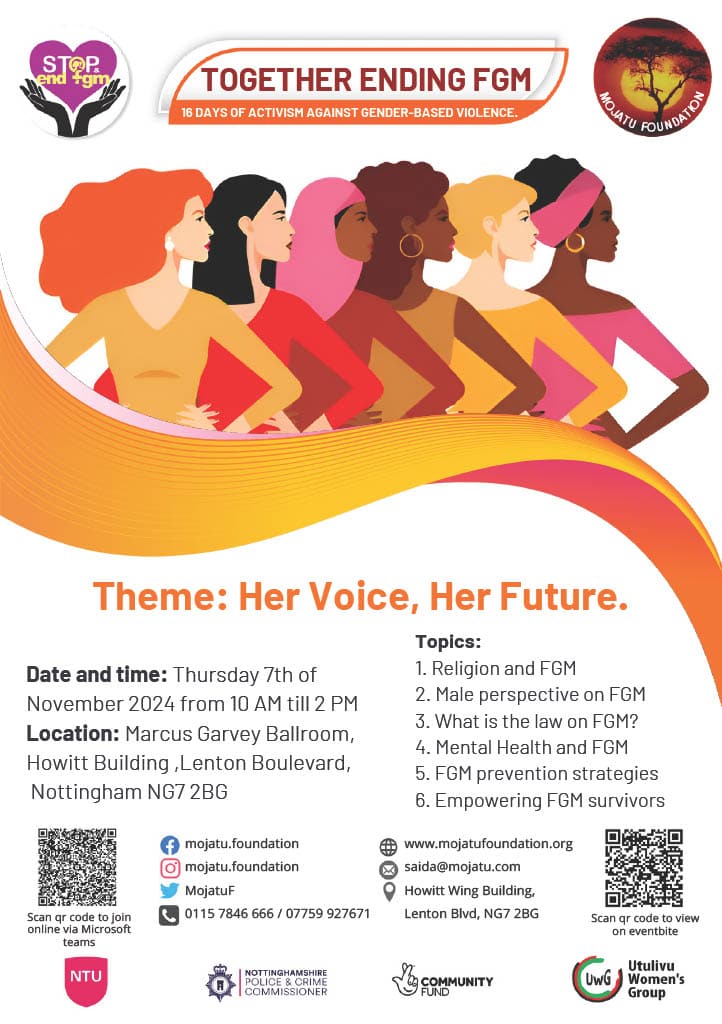
Interview About FGM With Valentine Nkoyo

As part of activities marking the celebration of Black History Month in the United Kingdom, a Maasai group from Kenya joined ranks with the Female Genital Mutilation (FGM) awareness advocacy group...
- Advertisement - < img src="https://mojatu.com/wp-content/uploads/2023/01/rec-content-blue-5.png">

Analysis: South Sudan’s Power-Sharing Agreement

The leaders of South Sudan’s warring parties signed a final power-sharing agreement this month, but it remains unclear whether the deal will guarantee long-term...

GMOs: Pros and Cons, Backed by Evidence

GMOs, short for genetically modified organisms, are subject to a lot of controversy. According to the U.S. Department of Agriculture (USDA), GMO seeds are used...

Belfast to Sana’a: Why Peace Processes Need Women

When women are involved in peace processes – not as an afterthought but as acknowledged experts – there is a greater chance of achieving...

Subscribe

- Gain full access to our premium content

- Never miss a story with active notifications

- Browse free from up to 5 devices at once

Health

Digital Burnout Among Young People: The Hidden Health Challenge of Constant Connectivity

Digital burnout is the mental and emotional exhaustion caused...

Breaking Barriers to Mental Health Support in Diaspora Communities

Diaspora communities worldwide face unique hurdles in accessing mental...