



As the effects of climate change become more visible in communities around the world, young people are increasingly stepping up to protect the environment. While global conferences and international treaties are important, meaningful change often begins at the local level. Youth can make a real difference by engaging in practical, hands-on activities that support sustainability right where they live. These local actions, though small on their own, can create powerful ripple effects when embraced by communities.
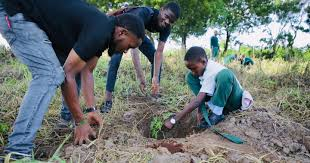
One of the most accessible and impactful activities is tree planting. Trees help absorb carbon dioxide, reduce air pollution, and improve biodiversity. Youth-led tree planting drives in schools, neighborhoods, and public spaces not only help combat climate change but also beautify the environment and build a sense of collective responsibility. Partnering with local environmental groups or county governments can provide tools, guidance, and native seedlings to ensure long-term success.

Community clean-ups are another practical way young people can protect the environment. Whether it’s removing plastic waste from rivers, beaches, or marketplaces, clean-up events raise awareness about pollution and inspire others to take action. Youth can also push for better waste management by organizing recycling stations, hosting awareness campaigns, or encouraging local businesses to reduce single-use plastics.
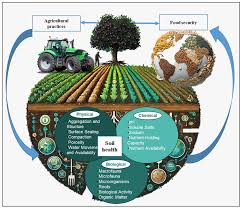
In rural areas and farming communities, young people can promote sustainable agriculture practices. This includes training others in composting, organic farming, crop rotation, and water conservation methods. Youth-led farm projects or green clubs in schools can serve as demonstration sites that show how eco-friendly practices can increase productivity while protecting the land. Additionally, connecting with older farmers to learn and share knowledge can bridge generational gaps in environmental stewardship.
Lastly, youth can embrace and advocate for renewable energy solutions. Whether it’s using solar lamps, promoting clean cooking stoves, or supporting community-based wind and solar projects, these steps reduce reliance on fossil fuels and lower emissions. By learning about clean energy technology and sharing knowledge with peers and families, young people help shift mindsets and support a transition to a more sustainable future.
In conclusion, youth don’t need to wait for permission or big funding to take environmental action. From planting trees to promoting clean energy, their local efforts can lead to lasting change. These practical steps, rooted in community and collaboration, are vital building blocks for a healthier planet—and they prove that everyone, regardless of age, has a role to play in protecting the Earth.
About The Author