



In a world grappling with the consequences of climate change, pollution, and resource depletion, sustainable living has emerged as more than just a lifestyle choice—it is a moral and practical obligation. It involves meeting our current needs without compromising the ability of future generations to meet theirs. This means rethinking how we consume, travel, build, and even eat. Sustainable living is not just about individual action; it’s a collective commitment that requires everyone—from governments to corporations to communities—to participate.

At its core, sustainable living prioritizes resource efficiency and environmental protection. It encourages the use of renewable energy, waste reduction, water conservation, and mindful consumption. When individuals make sustainable choices—such as using public transportation, reducing meat consumption, or supporting eco-friendly products—they help reduce their ecological footprint. However, for these actions to truly make a difference, they must be scaled up through education, accessibility, and community support.
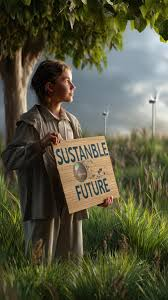
Governments and industries play a crucial role in enabling sustainable living. Public policies that promote clean energy, sustainable agriculture, and green infrastructure are essential to creating systems that support eco-conscious choices. Likewise, businesses must move away from short-term profits and embrace circular economies, responsible production methods, and transparent supply chains. Without systemic change, individual efforts—no matter how well-intentioned—will always be limited in scope.
Equally important is the role of education and cultural shifts. Teaching sustainability in schools, celebrating eco-conscious innovations, and raising awareness about environmental challenges help shape values and behaviors that last across generations. It also fosters a sense of global citizenship, reminding people that their choices have impacts far beyond their immediate surroundings. A society that values sustainability is more likely to support policies and practices that protect the planet in the long term.

Sustainable living is not a distant ideal—it is an urgent necessity. It calls for shared responsibility, cooperation, and vision. By working together to reduce our impact and promote sustainable practices, we can build a healthier, more resilient world. Our actions today will shape the quality of life for generations to come. It’s time to recognize that sustainability is not about sacrifice—it’s about safeguarding the future.
About The Author