

Social media was supposed to connect us. And in many ways, it does—helping us stay in touch with friends, share our stories, and raise awareness about important issues. But behind the filters and follows, there’s a darker side we don’t always talk about: how social media can quietly shape our identity, drain our time, and affect our mental health. For young people, especially, the effects can be deep—and dangerous—if we’re not paying attention.
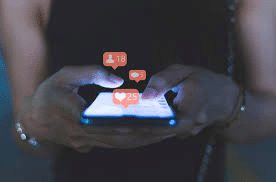
Think about how much time you spend scrolling. Most of us don’t even realize how many hours fly by. But while we’re watching other people’s lives, we’re often ignoring our own. Social media is designed to be addictive. Every like, comment, or share gives us a hit of dopamine—a chemical in the brain that makes us feel good. But that reward system can quickly become a trap, pulling us back again and again, even when it’s making us feel worse, not better.
The pressure to look perfect online is also intense. We edit, crop, and filter ourselves to fit into a certain image, often comparing our behind-the-scenes with someone else’s highlight reel. It’s easy to forget that most of what we see isn’t real. This constant comparison can damage our self-esteem, lead to anxiety, and even make us feel like we’re never enough. We start chasing validation from strangers instead of learning to validate ourselves.

Worse still, social media can sometimes blur the line between who we really are and the version of ourselves we perform online. If we’re not careful, we start to lose touch with what we truly value, believe, and care about. We let likes dictate our choices. But your worth is not measured by your follower count. Your voice, your story, and your dreams matter—even when no one is watching or double-tapping.
But here’s where the power comes back to you: you are not powerless in this system. You can choose how you engage. You can take breaks, unfollow toxic accounts, curate your feed, and set boundaries. You can use your platform to uplift others, spread truth, and create positive change. Social media doesn’t have to control you—you can control how you use it.
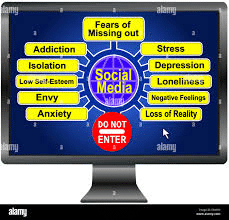
Being aware of the dark side of social media doesn’t mean giving it up entirely. It means using it wisely. It means recognizing when it starts to shape your identity or harm your mental health—and stepping back when you need to. You are more than your screen. You are creative, resilient, and real. And by staying grounded in who you truly are, you can reclaim your power in a digital world that too often tries to define you.
About The Author