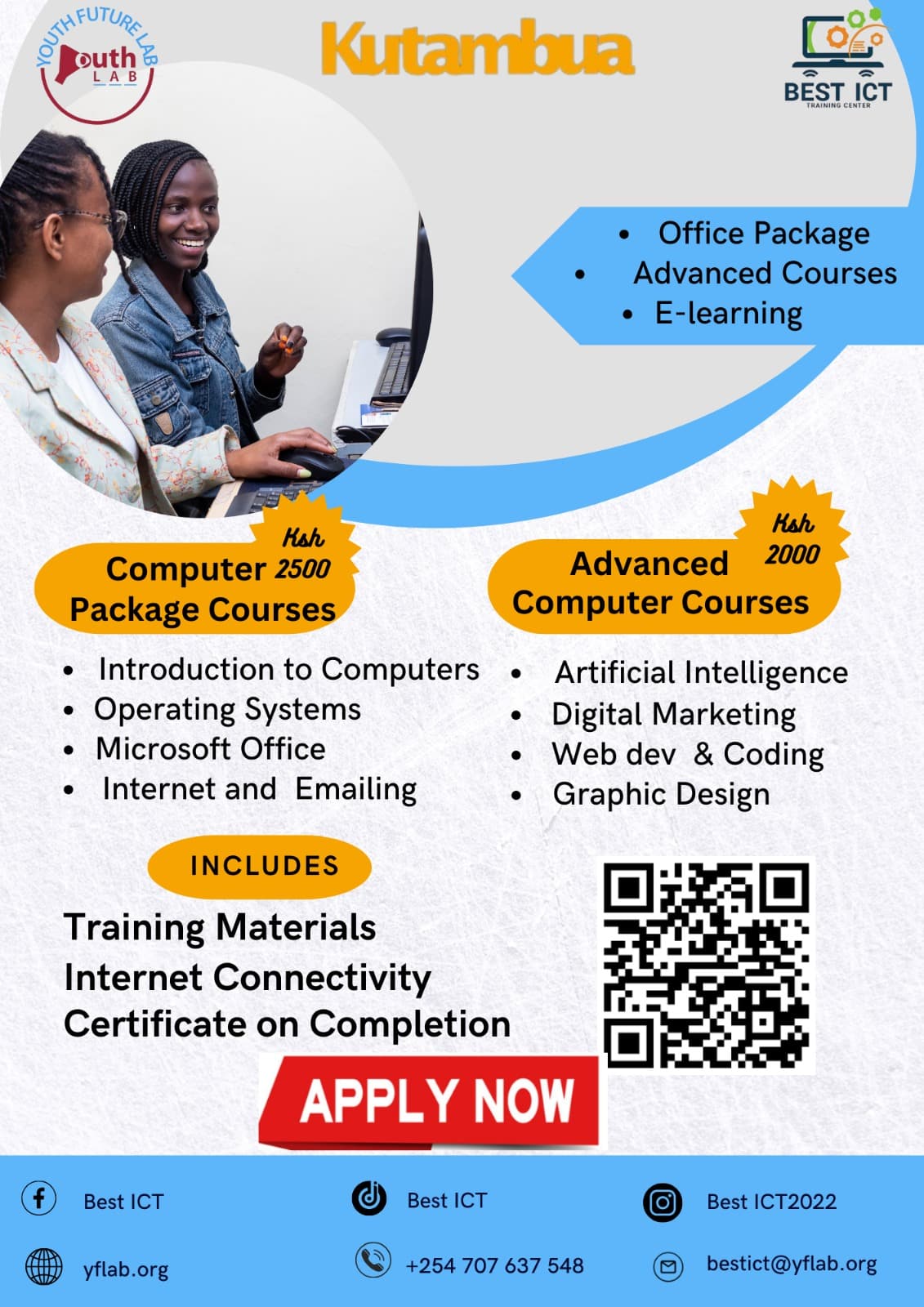




In today’s fast-paced and interconnected world, Information Technology (IT) has become an indispensable part of daily life and career development. From communication and education to healthcare and finance, IT underpins virtually every sector, transforming how individuals live and work. The significance of IT in contemporary careers cannot be overstated, as it drives innovation, enhances productivity, and opens new pathways for professional growth. Understanding the importance of IT and its role in shaping modern careers is essential for anyone seeking to thrive in the 21st-century job market.
Information Technology encompasses a broad range of tools and systems used to create, store, exchange, and use information in various forms. These include computers, software applications, networks, and the internet. The digital revolution, propelled by rapid advancements in IT, has fundamentally changed the nature of work. According to the International Telecommunication Union (ITU), over 5 billion people worldwide were using the internet by 2023, highlighting the global reach and influence of digital technologies.
One of the most obvious impacts of IT is its role in enhancing communication. Modern careers demand efficient, real-time communication across diverse geographies, and IT facilitates this through emails, video conferencing, instant messaging, and collaborative platforms like Microsoft Teams and Slack. This connectivity allows teams to work remotely, share knowledge instantly, and coordinate complex projects seamlessly. The COVID-19 pandemic accelerated the adoption of such technologies, demonstrating their critical role in maintaining business continuity and flexibility.
IT also revolutionizes access to information and learning, which is vital for career advancement. Online courses, webinars, and digital libraries provide continuous learning opportunities that enable professionals to acquire new skills and stay updated in their fields. Platforms such as Coursera, LinkedIn Learning, and Khan Academy have democratized education, making it accessible to millions regardless of location. The World Economic Forum’s Future of Jobs Report 2023 emphasizes that digital skills are among the most in-demand competencies globally, underscoring the necessity of IT literacy for career success.
In the workplace, IT drives productivity and efficiency through automation and data management. Software applications automate routine tasks such as payroll, inventory management, and customer relationship management, freeing employees to focus on higher-value activities. Advanced data analytics and artificial intelligence (AI) tools enable businesses to make informed decisions, forecast trends, and optimize operations. According to McKinsey Global Institute, companies that effectively use data analytics are 23 times more likely to acquire customers and six times more likely to retain them, illustrating the competitive advantage IT confers.

IT has also transformed entire industries, creating new career paths and reshaping traditional roles. The tech sector itself is a major employer, with roles in software development, cybersecurity, cloud computing, and AI. But beyond tech companies, sectors like healthcare now rely on electronic medical records, telemedicine, and health informatics, requiring professionals to have IT competencies. Similarly, finance integrates fintech solutions such as mobile banking and blockchain, while manufacturing incorporates automation and the Internet of Things (IoT). This cross-sector penetration of IT means that digital skills are not just for IT specialists but are increasingly essential for professionals in diverse fields.
In Kenya, the importance of IT in careers is particularly pronounced given the country’s rapid digital transformation and emphasis on a knowledge-based economy. The government’s Digital Economy Blueprint aims to leverage IT to create jobs, improve public services, and foster innovation. Nairobi’s “Silicon Savannah” has become a hub for tech startups and innovation, offering numerous career opportunities in software development, data science, and digital marketing. As reported by the Communications Authority of Kenya (CAK), internet penetration in Kenya reached 87% in 2023, reflecting widespread digital adoption and the growing relevance of IT skills.
Moreover, IT empowers entrepreneurship and freelancing, providing platforms for individuals to create and market products or services globally. Social media marketing, e-commerce, app development, and digital content creation have become viable career options, particularly for youth. The rise of the gig economy, facilitated by IT platforms such as Upwork, Fiverr, and local equivalents, offers flexible income-generating opportunities that were previously inaccessible to many.
However, the increasing reliance on IT also presents challenges. The digital divide remains a critical issue, with disparities in internet access and digital literacy limiting opportunities for some populations, especially in rural areas. Cybersecurity threats pose risks to individuals and organizations, necessitating robust knowledge and practices to protect sensitive information. Continuous upskilling is required to keep pace with rapid technological changes, making lifelong learning essential for career sustainability.
In conclusion, IT is foundational to modern life and careers, driving communication, education, productivity, and innovation across all sectors. Its pervasive influence creates new career opportunities while reshaping existing ones, demanding that professionals acquire and continually update digital skills. For countries like Kenya, embracing IT is crucial for economic growth and competitiveness in the global market. As technology continues to evolve, the integration of IT in careers will only deepen, making it a vital cornerstone for personal and professional success.

About The Author