

Introduction.
For many decades, formal education and academic degrees were seen as the ultimate key to success. Graduating from a university with a degree was considered a sure path to a stable career and respect in society. However, the 21st century has ushered in a new reality — one where skills often outweigh certificates. With the rise of technology, innovation, and global competition, employers and industries are shifting their focus from paper qualifications to practical abilities. Skill-based learning is now recognized as a more effective, flexible, and realistic approach to personal and professional growth.

The Changing World of Work The world of work is evolving rapidly. Automation, artificial intelligence, and digital transformation are reshaping nearly every industry. Many traditional jobs are disappearing, while new ones — requiring specialized skills — are being created. For example, fields like data science, software development, digital marketing, and renewable energy are growing fast, but many do not necessarily require a formal degree. Instead, they demand hands-on skills and adaptability.Employers today prefer candidates who can do the job rather than those who simply know the theory. This has led to a major shift in hiring practices. Companies such as Google, Apple, and IBM have removed degree requirements for many positions, focusing instead on competencies, portfolios, and real-world experience. This change highlights that practical skills are becoming more valuable than traditional qualifications.
Advantages of Skill-Based Learning
One of the biggest advantages of skill-based learning is its practicality. Unlike traditional education, which often emphasizes theory, skill learning focuses on doing — learning by practice and experience. Whether it’s coding, graphic design, culinary arts, or carpentry, learners gain abilities they can immediately apply in the workplace or use to start their own businesses.Skill-based learning also promotes lifelong learning. It encourages individuals to continually upgrade themselves as technology and industries evolve. Online platforms such as Coursera, Udemy, and YouTube make it easy for anyone to acquire new skills at their own pace, often at little or no cost.
This flexibility allows people from different backgrounds — including those who cannot afford university — to pursue meaningful careers.Another major benefit is employability. Skilled individuals are more adaptable to change and can easily switch careers or start side businesses. For instance, someone who learns digital marketing can freelance, build an online brand, or assist small businesses. Unlike a degree, which may limit someone to one field, skill-based learning opens multiple career paths.
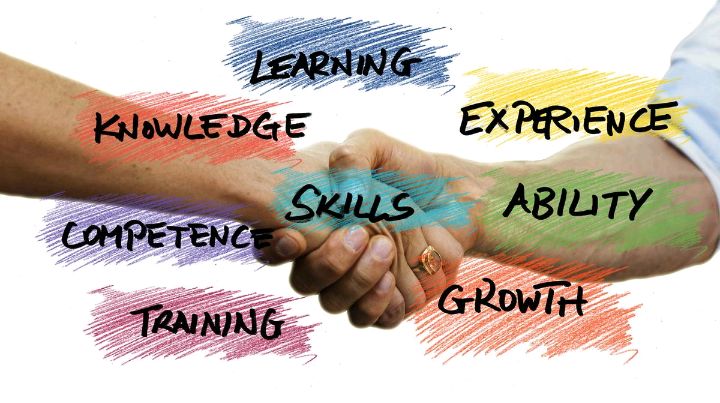
Entrepreneurship and Self-Reliance Skill-based learning also encourages entrepreneurship and self-reliance. Many successful entrepreneurs never completed traditional degrees. They relied on creativity, problem-solving, and practical knowledge to build their ventures. For example, tech innovators like Steve Jobs, Mark Zuckerberg, and Elon Musk emphasized skills, experimentation, and innovation rather than formal qualifications.In developing countries, skill training programs have also played a key role in reducing unemployment and poverty. By teaching youth skills such as tailoring, mechanics, welding, and ICT, governments and NGOs empower them to create jobs for themselves and others. This kind of empowerment is far more sustainable than simply waiting for white-collar employment.
Bridging the Gap Between Education and Employment One of the criticisms of traditional education is that it often fails to prepare students for the realities of the job market. Many graduates struggle to find jobs because they lack practical experience. Universities tend to prioritize exams and theoretical knowledge, leaving graduates unprepared for hands-on tasks.Skill-based learning fills this gap by aligning education with industry needs.
Vocational training institutions, technical colleges, and apprenticeships provide learners with relevant, job-ready skills. For instance, in the construction, healthcare, and technology sectors, employers often prefer candidates with technical certificates and proven skills rather than just academic degrees.This approach ensures that education remains relevant, productive, and directly linked to economic development.

The Future Belongs to Skills As the global economy becomes more digital and interconnected, skills like communication, critical thinking, creativity, and digital literacy are becoming essential. The ability to learn, unlearn, and relearn will define success in the modern world. Degrees may open doors, but skills keep them open.
The future will favor those who can demonstrate competence, flexibility, and innovation.Moreover, the gig economy — powered by freelancers, remote workers, and creators — thrives on skill rather than academic status. Platforms like Fiverr, Upwork, and TikTok pay people based on what they can do, not on their educational backgrounds. This proves that real-world ability is now the true measure of value.

Conclusion.
In today’s fast-changing world, skill-based learning is not just an alternative to degrees — it is a necessity. While formal education still holds importance in fields like medicine, law, and engineering, the growing demand for technical, creative, and entrepreneurial talent makes practical skills the true currency of success. Society must embrace a mindset that values what you can do over what paper you hold.Investing in skill-based learning empowers individuals to adapt, innovate, and thrive — no matter where they start. The world doesn’t just need more graduates; it needs more skilled thinkers, creators, and doers.
About The Author