



In a world saturated with filtered images, airbrushed advertisements, and algorithm-driven beauty ideals, the pursuit of perfection has become both a cultural norm and a psychological burden. Unrealistic beauty standards—often shaped by media, celebrity culture, and increasingly, social media—create a narrow definition of what it means to be attractive. These ideals, often unattainable and digitally manipulated, fuel a constant comparison culture that leaves many individuals feeling inadequate and dissatisfied with their appearance.
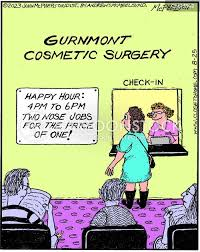
The psychological impact of these beauty standards is both widespread and severe. People of all ages, particularly women and increasingly young men, report heightened levels of body dissatisfaction, low self-esteem, and anxiety. Social media platforms amplify this pressure, with endless streams of “perfect” bodies and faces becoming benchmarks for self-worth. Young people, in particular, are vulnerable to internalizing these standards, which can lead to harmful behaviors such as disordered eating, excessive cosmetic procedures, and even self-harm.

Unrealistic beauty standards not only affect individuals but also shape societal values. They reinforce harmful stereotypes, marginalize diverse body types, skin tones, and abilities, and perpetuate the idea that worth is tied to appearance. This can lead to discrimination, bullying, and exclusion in both social and professional environments. The pressure to conform can become all-consuming, leaving little room for self-acceptance, authenticity, or mental well-being.
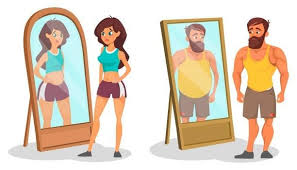
Challenging these standards requires a collective shift in how we define beauty. Media outlets, influencers, and brands must take responsibility for promoting diverse, realistic, and inclusive representations of people. On an individual level, cultivating media literacy and practicing self-compassion are crucial tools for resisting harmful narratives. Ultimately, true beauty lies not in perfection, but in the acceptance of imperfection—a message that must be amplified to foster a healthier and more inclusive society.
About The Author