



Bloating is a common digestive complaint experienced by people of all ages. It refers to a feeling of fullness, tightness, or swelling in the abdomen, often accompanied by gas, burping, or discomfort. Although not always a sign of a serious condition, bloating can interfere with daily life, lower self-confidence, and sometimes signal an underlying medical issue. Understanding its causes and learning how to manage it effectively can improve both comfort and overall digestive health.
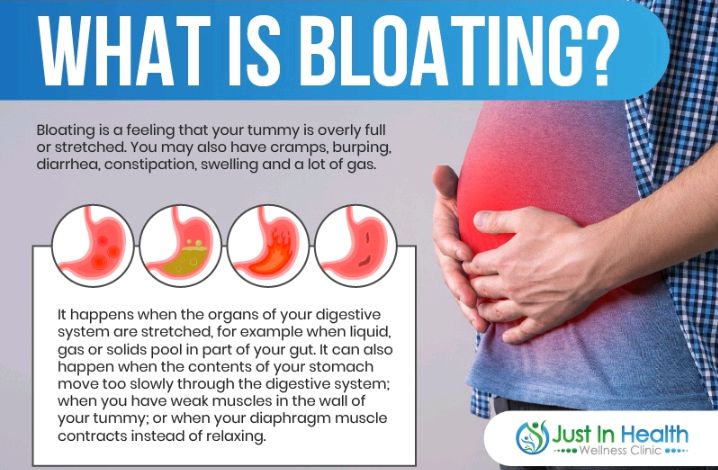
Causes of Bloating
1. Dietary Factors Gas-producing foods: Beans, lentils, broccoli, cabbage, and onions contain complex sugars that ferment in the gut, producing gas.Carbonated drinks: Soft drinks and sparkling water introduce excess air into the digestive system, leading to distension.High-fat meals: Fat slows digestion, keeping food in the stomach longer and contributing to fullness.Food intolerances: Lactose, gluten, and fructose intolerance can cause gas, diarrhea, and bloating when the body struggles to break down certain components.
2. Swallowing Excess Air Eating too quickly, chewing gum, or drinking through a straw can cause one to swallow air (aerophagia), which collects in the stomach and leads to bloating.
3. Constipation When stool builds up in the intestines, it traps gas and slows digestion, resulting in bloating and abdominal discomfort.
4. Hormonal Changes Many women experience bloating during menstruation due to hormonal fluctuations that affect fluid balance and intestinal motility.
5. Gut Micro biome Imbalance Overgrowth of certain bacteria in the small intestine (a condition known as SIBO) can lead to excess gas production and bloating.
6. Medical Conditions Irritable Bowel Syndrome (IBS) Gastroesophageal Reflux Disease (GERD). Celiac Disease Gastroparesis (delayed stomach emptying)While bloating is usually harmless, persistent or severe symptoms may indicate an underlying health problem that requires medical evaluation.
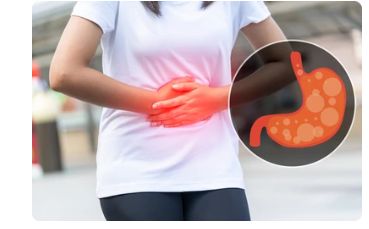
How to Manage Bloating.
1. Dietary Adjustments Eat smaller, more frequent meals instead of large portions to ease digestion.Reduce gas-producing foods gradually and monitor your tolerance.Limit carbonated beverages and replace them with still water or herbal teas.Try a low- FODMAP diet, which eliminates certain fermentable carbohydrates known to trigger bloating in sensitive individuals.Stay hydrated, as water aids digestion and prevents constipation.
2. Lifestyle Modifications Eat slowly and chew thoroughly to reduce swallowed air.Exercise regularly, as movement stimulates intestinal activity and prevents gas build-up.Manage stress, since anxiety can worsen IBS and bloating through the brain–gut connection.Avoid tight clothing that can compress the stomach and intensify discomfort.
3. Home Remedies Herbal teas such as peppermint, ginger, and chamomile help relax the digestive tract.Warm compresses or gentle abdominal massage can ease cramping and reduce pressure.Probiotics may restore healthy gut bacteria and decrease bloating over time.
4. Medical Approaches Over-the-counter medications such as simethicone can relieve gas.Lactase enzyme supplements can help those with lactose intolerance.Professional guidance from a doctor or dietitian may be necessary for persistent bloating, especially if accompanied by weight loss, blood in stool, or severe pain.

Bloating is a widespread digestive complaint with a variety of causes, ranging from simple dietary habits to more complex gastrointestinal conditions. In most cases, it can be managed effectively through mindful eating, lifestyle modifications, natural remedies, and medical support when needed. Recognizing personal triggers and adopting a balanced approach helps restore comfort, improve digestion, and enhance overall well-being.
About The Author