


In Kenya’s rapidly changing economy, a quiet revolution is taking place. Across towns, campuses, and even rural areas, young people are no longer waiting for traditional employment opportunities alone. Instead, many are turning to micro-entrepreneurship—small, flexible income-generating activities built around digital skills and online platforms.
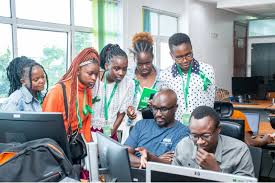
This shift is being driven by access to smartphones, increasing internet connectivity, and a growing awareness that even simple digital abilities can be turned into real income. What was once considered “just online activity” is now becoming a serious source of livelihood for many youths.
This global access to work has opened doors that were previously unimaginable.
Alongside freelancing, online gigs and short-term tasks are also becoming popular. Many youths earn income by completing micro-tasks such as filling surveys, managing social media pages, testing websites, or creating simple digital content. While each task may pay a small amount, consistency allows individuals to build a steady stream of income over time. For many, this becomes a stepping stone into more advanced digital careers.
Social media has also evolved into a powerful business tool. Platforms like Instagram, TikTok, Facebook, and WhatsApp are no longer just for communication—they are now marketplaces. Young entrepreneurs are selling clothing, cosmetics, handmade products, and digital services directly to customers through these platforms. By building personal brands and engaging audiences creatively, they are turning attention into income.

Digital skills are at the centre of all these opportunities. Even basic abilities such as typing, online communication, content creation, or simple design work can become valuable when applied correctly. As a result, more young people are investing time in learning these skills through online courses, community training centres, and peer learning groups.
However, micro-entrepreneurship is not without challenges. Many young entrepreneurs face inconsistent income, online scams, and lack of guidance on how to grow their skills into sustainable businesses. Some also struggle with competition in global freelance markets where quality and professionalism are highly valued. Despite these challenges, persistence and continuous learning remain key factors for success.
What makes micro-entrepreneurship particularly powerful is its accessibility. Unlike traditional businesses that require large capital, many digital side hustles require only a phone, internet access, and time. This makes it especially important for youth in developing economies, where formal job opportunities may be limited.

There is also a growing support ecosystem emerging around this trend. Training programs, digital hubs, and innovation centres are helping young people understand how to monetize their skills, manage clients, and build long-term careers in the digital space. These initiatives are gradually shifting mindsets from job seeking to job creation.

In conclusion, micro-entrepreneurship is redefining how young people in Kenya think about income and opportunity. Small digital skills, when combined with creativity and consistency, are proving to be powerful tools for financial independence. As the digital economy continues to expand, those who adapt early and build strong skills are likely to benefit the most.
The future of work is no longer just about formal employment—it is also about the ability to create value from anywhere, using whatever digital skills one has.
About The Author