



In today’s digital age, the term cancel culture is everywhere — from social media feeds to news headlines. For many young people, it’s a powerful force shaping conversations about justice, accountability, and change. But what exactly is cancel culture? And is it a necessary tool for holding people accountable, or a toxic trend that harms more than it helps? Exploring this question can empower youth to engage critically with the world and understand the complexities of modern accountability.
At its core, cancel culture refers to the collective action of calling out individuals, companies, or public figures for problematic behavior—often in the form of boycotting or demanding consequences. This has given marginalized voices a platform to challenge injustice that was once ignored or silenced. In this way, cancel culture can be seen as a form of social justice, where communities hold powerful people accountable for racism, sexism, or other harmful actions. It encourages people to reflect on their behavior and promotes cultural progress.
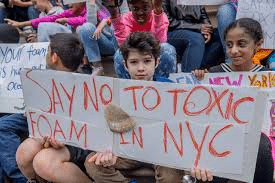
However, cancel culture also has a darker side. It can sometimes lead to snap judgments, online harassment, and a “trial by social media” where people are punished without due process or room for growth. The fear of being canceled can stifle open conversations and create an environment where mistakes are met with harsh backlash instead of education. This toxicity risks dividing communities and discouraging people from learning and evolving, especially when the punishment doesn’t fit the offense.
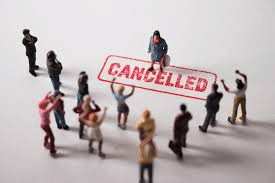
For young people, understanding this balance is crucial. Accountability is important—it drives change and challenges harmful norms. But so is compassion and the belief in second chances. When holding others accountable, it’s vital to consider the context, intent, and willingness to learn. Youth can lead the way by advocating for thoughtful conversations that encourage growth rather than just punishment. This approach builds stronger communities and nurtures real change.
Moreover, cancel culture highlights the power of digital citizenship. What you say or do online matters. Youth today are the first generation growing up fully immersed in social media, giving them a unique responsibility. Learning how to engage respectfully, verify information before sharing, and resist mob mentality helps prevent the spread of misinformation and unjust harm. Empowered with these skills, young people can use social platforms to promote fairness and positive change.
In the end, cancel culture isn’t simply good or bad—it’s a reflection of society’s ongoing struggle with justice and accountability. By approaching it thoughtfully, youth can transform cancel culture from a tool of division into a force for meaningful progress. Embracing empathy, critical thinking, and dialogue ensures that accountability becomes an opportunity for growth, not just punishment. This mindset will help young people navigate the complexities of today’s world and build a more just future.
About The Author