



Introduction.
In today’s interconnected world, cultural diversity has become one of the most defining features of modern societies. People from different backgrounds, races, religions, and traditions now live, work, and interact together more than ever before. Yet, while some view this diversity as a challenge or even a source of conflict, the truth is that cultural diversity is an invaluable strength. It enriches communities, drives innovation, promotes mutual understanding, and enhances social and economic growth. Recognizing diversity as a positive force is essential to building inclusive societies where everyone can thrive.
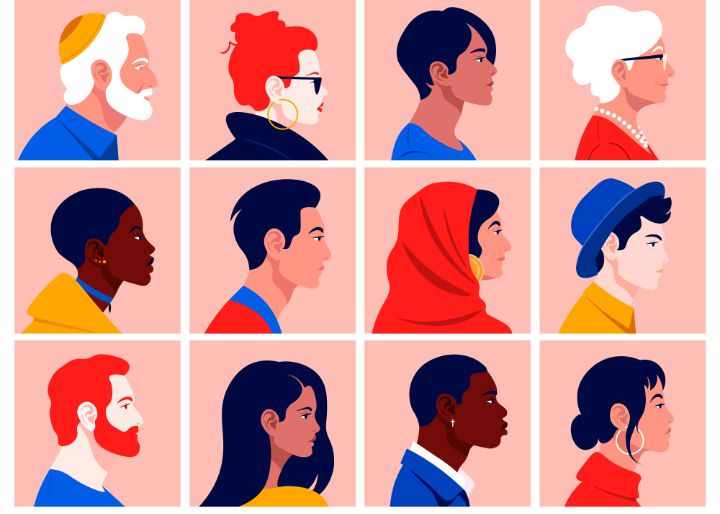
The Meaning of Cultural Diversity Cultural diversity refers to the existence of a variety of cultural or ethnic groups within a society. It encompasses differences in language, religion, cuisine, traditions, values, and ways of life. In multicultural societies, such as Kenya, the United States, and many others, people from various cultural backgrounds coexist and share their unique identities. This mixture does not mean losing one’s traditions; rather, it means appreciating and respecting others’ ways of life while celebrating one’s own heritage.
Promoting Understanding and Tolerance One of the greatest strengths of cultural diversity lies in its ability to promote understanding and tolerance among people. When individuals interact with people from different cultures, they learn to appreciate alternative perspectives and ways of thinking. This interaction reduces prejudice, stereotypes, and discrimination. For example, a person who has friends from various ethnic or religious backgrounds is more likely to develop empathy and respect for others.

Such relationships help societies move beyond divisions of race, tribe, or religion and instead focus on shared human values like kindness, cooperation, and respect.Schools, workplaces, and communities that embrace diversity create environments where inclusion becomes the norm. In these spaces, people learn to value differences rather than fear them. Over time, this builds social harmony and strengthens unity within a nation. As Nelson Mandela once said, “Our rich and varied cultural heritage has a profound power to help build our nation.”
Cultural Diversity Drives Innovation and Creativity Another major benefit of cultural diversity is the boost it gives to creativity and innovation. When people from different backgrounds collaborate, they bring unique experiences, skills, and viewpoints to the table. This combination of diverse perspectives often leads to fresh ideas and solutions that might never emerge in a uniform environment.In business, companies with diverse teams tend to perform better and adapt faster to global markets.
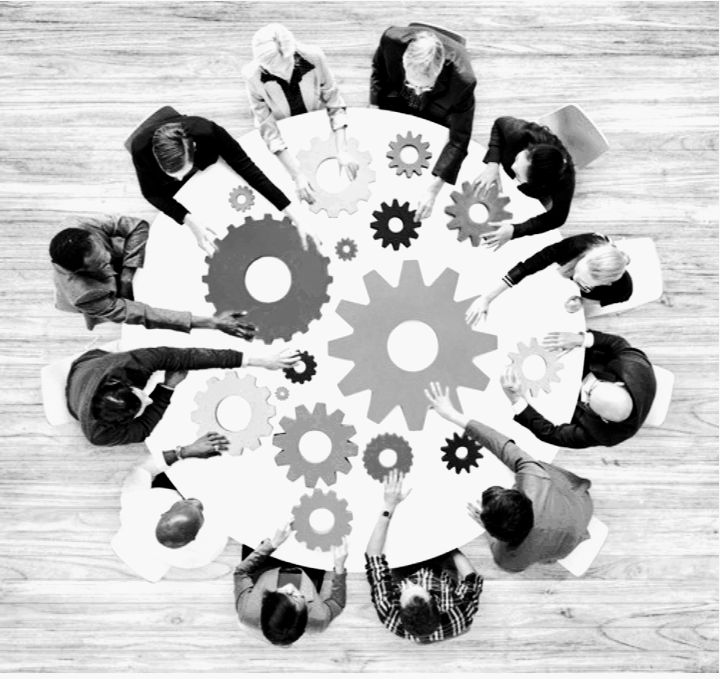
For instance, technology firms and international organizations benefit greatly from multicultural teams that understand different customers, languages, and cultures. In the arts, fashion, and music industries, cultural blending produces exciting innovations—such as Afro-fusion music, which combines traditional African rhythms with modern sounds to create something truly global. Therefore, diversity fuels progress, creativity, and competitiveness in a rapidly changing world.
Cultural Diversity Enriches Daily Life Beyond economics and innovation, cultural diversity enriches everyday life. It introduces people to new cuisines, languages, clothing styles, festivals, and ways of celebrating. These experiences broaden minds and make communities more vibrant. Cultural exchange encourages people to travel, learn, and participate in activities they might never have known otherwise.
For example, when people attend cultural festivals like Diwali, Chinese New Year, or African traditional ceremonies, they gain insight into the values and traditions of others. This appreciation fosters friendships and helps preserve global heritage. The beauty of diversity lies in the fact that no single culture has all the answers; each contributes something valuable to humanity.
Building Stronger and More Inclusive Societies Cultural diversity also strengthens societies by promoting inclusivity and social justice. When people from all backgrounds are respected and given equal opportunities, they contribute fully to national development. Inclusive policies—such as fair representation, equal education, and anti-discrimination laws—create a sense of belonging among citizens. This sense of belonging is vital for national stability and peace.Countries that embrace multiculturalism, like Canada and Singapore, have shown that respecting different cultures can lead to social cohesion and economic prosperity. Instead of division, these nations have built unity through diversity. In such societies, people are proud of their heritage while working together for a common goal.
Challenges and the Need for Understanding It is true that managing cultural diversity comes with challenges. Misunderstandings, discrimination, and prejudice can arise if people are unwilling to respect others. However, these challenges can be overcome through education, open dialogue, and inclusive policies. When people see diversity not as a threat but as a shared opportunity, they begin to cooperate and build trust. Governments, educators, and community leaders have a key role to play in promoting cultural education and mutual respect among citizens.
Conclusion.
Cultural diversity is not a threat—it is humanity’s greatest strength. It teaches us tolerance, enriches our daily lives, drives creativity, and strengthens societies. The world is like a beautiful mosaic, where each culture represents a unique piece that completes the whole. Instead of fearing differences, we should celebrate them as gifts that bring new knowledge, experiences, and opportunities. By embracing diversity with open minds and hearts, we can build a peaceful, united, and prosperous global community for generations to come.
About The Author