


Introduction.
Over the past decade, mobile phones have become one of the most powerful tools shaping modern life across Africa. With smartphones becoming more affordable and internet access expanding, millions of Africans now rely on mobile apps for communication, business, education, entertainment, health, and daily tasks. These apps are not just digital tools; they are transforming how people live, work, and connect. From rural villages to busy urban cities, mobile applications are breaking barriers, creating opportunities, and driving rapid social and economic change. This article explores how mobile apps are reshaping everyday life in Africa and why they have become essential to the continent’s progress.

1. Transforming Communication and Social Interaction. Communication is one of the most significant areas where mobile apps have made an impact. Social media platforms like WhatsApp, Facebook, Instagram, Telegram, TikTok, and X (Twitter) have become the primary means of staying in touch. Families separated by distance can now communicate instantly through voice notes, video calls, and group chats.In many African countries, WhatsApp has replaced traditional SMS because it is cheaper and faster. Community groups, school updates, church announcements, and work-related communication all take place on mobile apps. This constant connection has strengthened relationships and made information-sharing easier, especially in remote areas where access to formal communication channels is limited.
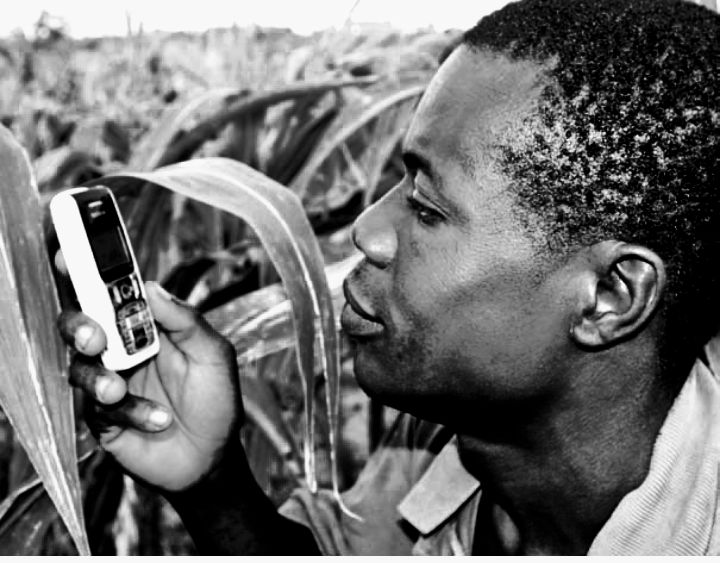
2. Changing How Africans Do Business and Earn Money Mobile apps have revolutionized business operations and created countless earning opportunities. E-commerce platforms such as Jumia, Kilimall, Takealot, and Konga allow people to buy and sell goods online. Small businesses now advertise on social media and reach customers across borders without needing physical shops.Additionally, gig-economy platforms like Bolt, Uber, Glovo, Safeboda, and local delivery apps help many Africans earn a living through taxi services, food delivery, or courier work. Content creation apps such as TikTok, YouTube, Soko, Soyo, and Bigo Live allow youth to earn through views, gifts, and brand partnerships.Even farmers benefit from agricultural apps that provide crop advice, weather forecasts, fertilizer guidance, and market prices. These innovations are helping transform subsistence farming into modern agribusiness.
3. Expanding Access to Education and Skills TrainingMobile apps are playing a huge role in making education more accessible. E-learning platforms such as eLimu, Eneza Education, Google Classroom, and YouTube Learning give students access to lessons, revision materials, and digital classrooms.For many learners, especially those in rural areas with limited school resources, mobile education apps make revision easier and more affordable. Skills-training platforms such as Coursera, Udemy, and local coding apps have also opened new doors for young Africans who want to learn digital skills, entrepreneurship, or professional courses.These tools are helping bridge educational gaps and empower the continent’s youth to compete in the global digital economy.
4. Revolutionizing Banking, Payments, and Financial Services One of Africa’s greatest digital success stories is mobile banking. Apps have transformed how people send, receive, and save money. In East Africa, M-Pesa, Airtel Money, and T-Kash have become everyday tools for millions who previously lacked access to traditional banks.Mobile apps allow people to:Pay billsBuy airtimeSend money across bordersReceive salariesSave and borrowPay for goods through QR codes Fintech apps like Flutterwave, Chipper Cash, PalmPay, Opay, and Kuda Bank are also giving Africans new financial freedom. Today, a street vendor, farmer, or boda boda rider can receive payments instantly without handling cash. This convenience boosts business efficiency, prevents theft, and encourages saving habits.
5. Improving Access to Healthcare Healthcare mobile apps are helping save lives across Africa. Platforms offering online consultations, pregnancy tracking, vaccination reminders, mental-health support, and emergency services have helped bridge the gap between medical professionals and communities.For example, apps like mPharma, Hello Doctor, and Ponea Health offer remote medical advice and allow users to order medicine or book appointments. In rural areas where hospitals are far away, these apps provide essential health information and instant guidance.During health crises like COVID-19, mobile apps helped spread safety information and track infection trends, demonstrating their critical role in public health.
6. Enhancing Daily Convenience and Lifestyle Mobile apps also simplify everyday activities. Many Africans now rely on apps for:Transport (Uber, Bolt, Little Cab, SafeBoda)Entertainment (Netflix, Showmax, Boomplay, Spotify)Food delivery (Jumia Food, Glovo, Chowdeck)Shopping (Jumia, online supermarkets)Job searching (Fuzu, LinkedIn, BrighterMonday)Travel bookings (Booking.com, Travelstart)Apps for maps and navigation help travellers find routes even in unfamiliar areas. News apps provide instant updates. Fitness and wellness apps help people track exercise, diet, and mental health.These digital tools create convenience, reduce stress, and save time—making life more modern and efficient.

7. Strengthening Governance and Citizen Participation Governments across Africa are using mobile apps to improve public services. Platforms for paying taxes, renewing licenses, reporting crimes, or accessing government information help reduce corruption and long queues at offices.For example, Kenya’s eCitizen app allows citizens to apply for IDs, passports, business permits, and many government services online. In Nigeria, apps for voter registration and national ID services are increasing civic participation. These innovations build trust between governments and citizens and make public service delivery more transparent.
8. Challenges of Mobile App Growth in Africa Despite the progress, several challenges still exist:High internet costs Poor network coverage in rural areas Digital illiteracy among older populations Cybercrime and online fraud Privacy and data-security concerns These challenges slow down full digital adoption, but governments and tech innovators are working to improve digital infrastructure and create safer online spaces.

Conclusion.
Mobile apps are transforming everyday life in Africa in ways that were unimaginable just a decade ago. They are improving communication, empowering young entrepreneurs, transforming education, simplifying financial services, and modernizing daily life. For millions of Africans, mobile apps are not just digital tools— they are pathways to opportunity, empowerment, and a better future. As technology continues to advance, mobile apps will remain at the heart of Africa’s social and economic transformation, unlocking new possibilities across the continent.
About The Author