



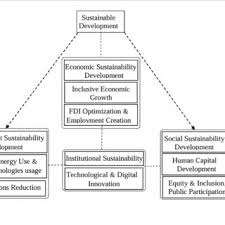
One of the most impactful aspects of digital transformation is its ability to democratize access to information and services. E-learning platforms are making quality education more accessible, especially for youth and marginalized communities. In agriculture, precision farming technologies and digital marketplaces are helping smallholder farmers improve yields and income. In finance, mobile banking and fintech solutions are providing millions with access to credit, savings, and insurance—empowering them to build more resilient livelihoods.
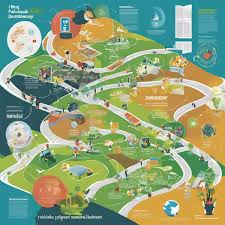
Digital tools are also essential in creating smarter, greener cities and infrastructure. With the rise of smart grids, clean energy monitoring, and data-driven urban planning, cities can reduce their carbon footprint and manage resources more efficiently. Environmental sustainability is further supported by AI and IoT technologies that track pollution, optimize water usage, and manage waste systems. These innovations are not only protecting the planet but also creating new job opportunities in the green tech sector.
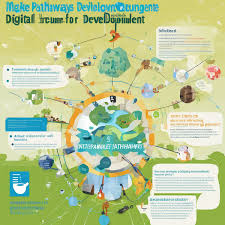
However, to fully realize the potential of digital pathways for sustainable development, issues of digital inclusion must be addressed. Many communities still lack reliable internet access, affordable devices, and the digital literacy needed to benefit from these innovations. Governments, development partners, and the private sector must work together to close the digital divide and ensure that technology works for everyone. By doing so, we can build a more equitable, resilient, and sustainable future—powered by digital innovation.
About The Author